

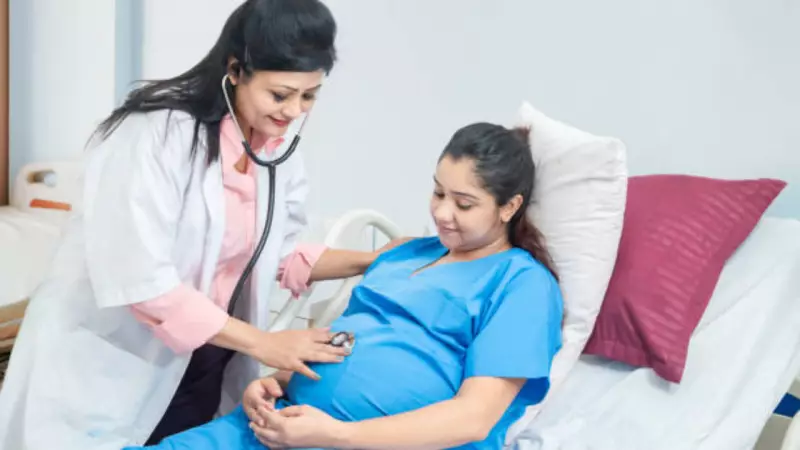
Pregnancy represents a transformative journey filled with anticipation, but for many women, it also brings increased medical risks that demand special attention. These heightened concerns can create additional stress during what should be a joyful period. The key to ensuring the safety of both mother and child in such challenging circumstances lies in structured, comprehensive, and multidisciplinary care approaches.
The Global Scale of High-Risk Pregnancies
Specialized maternal care has become essential for reducing complications and improving outcomes in pregnancies classified as high-risk. Statistics reveal that approximately 20% of pregnancies worldwide fall into this category, affected by conditions that threaten either fetal life, maternal health, or both simultaneously. These high-risk situations are responsible for 60% of primary caesarean sections and 50% of maternal complications, highlighting the critical need for targeted healthcare interventions.
What Constitutes a High-Risk Pregnancy?
Several factors can elevate a pregnancy to high-risk status. Medical conditions such as autoimmune disorders, thyroid imbalances, cardiac diseases, gestational diabetes, and anaemia are primary contributors. Beyond these health issues, risk can escalate due to advanced maternal age, multiple pregnancies (such as twins or triplets), previous pregnancy complications, a history of preterm birth, or obesity. Without close monitoring and early identification, these factors can lead to adverse outcomes including fetal growth restriction, maternal morbidity, and preterm delivery.

The Framework of Specialized Maternal Care
Specialized maternal care pathways are designed specifically to respond to these complexities with precision and compassion. Comprehensive antenatal screening forms the foundation, allowing clinicians to thoroughly assess and categorize individual risk profiles. For mothers identified as high-risk, personalized care becomes paramount, involving targeted investigations, coordinated specialist consultations, and more frequent monitoring than standard pregnancies.
Success in managing high-risk pregnancies depends fundamentally on adopting a proactive rather than reactive approach. This means anticipating potential complications before they escalate and implementing preventive measures accordingly. The integration of multidisciplinary teams stands at the core of specialized care, bringing together obstetricians, physicians, neonatologists, anaesthetists, nutritionists, mental health professionals, and maternal-fetal medicine specialists to address both the medical and emotional needs of expectant mothers.
Technology and Protocols Enhancing Care
Risk care pathways are significantly strengthened through clinical protocols and technological advancements. Accurate tracking of maternal and fetal health is now achievable through digital health records, advanced diagnostic tools, and continuous fetal monitoring systems. Early referral mechanisms ensure smooth transitions to higher levels of care when necessary, while standardized clinical guidelines promote consistency in medical decision-making. These systems prove particularly vital for improving planned deliveries and reducing emergency interventions.
Comprehensive Support Systems
Expertise, compassion, and preparedness must anchor all maternal care initiatives. To ensure mothers receive comprehensive support throughout their pregnancy journey, healthcare systems should incorporate dedicated high-risk pregnancy clinics, provide access to advanced neonatal intensive care units, and maintain teams of experienced specialists. Beyond managing medical conditions, emotional reassurance, family involvement, and professional counseling play crucial roles in supporting women through high-risk pregnancies.
Customized routine care, vigilant monitoring, specialized expertise, and coordinated pathways should be carefully curated according to each mother's unique needs. Research indicates that women receiving specialized care in high-risk pregnancies can experience up to 20% reduction in delivery complications alongside better overall outcomes. Furthermore, creating an environment characterized by safety protocols, regulatory standards, and specialized attention helps reduce maternal anxiety, which itself can otherwise exacerbate complications.

By investing in specialized maternal care pathways, healthcare systems can provide expectant mothers with the confidence of being in safe hands, significantly reduce pregnancy-related complications, and improve survival rates for both mothers and babies. This holistic approach represents not just medical necessity but a fundamental commitment to maternal and child wellbeing during one of life's most vulnerable and precious periods.





