

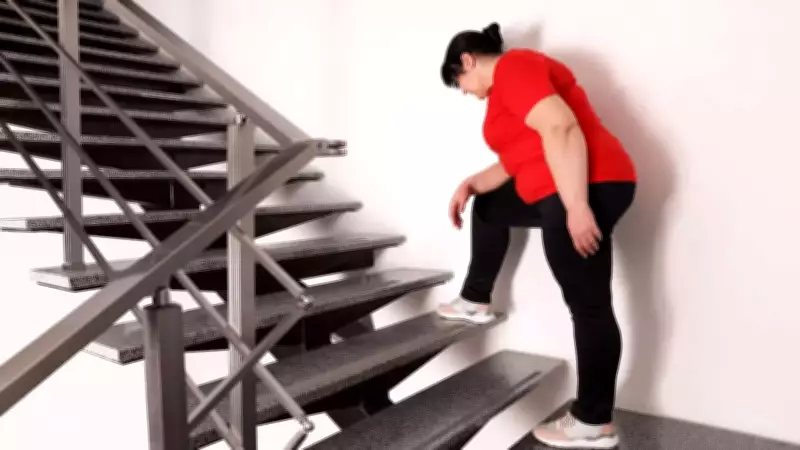
Climbing Stairs: A Natural Heart Health Test Revealing Cardiovascular Fitness
Climbing a few flights of stairs is a routine activity for many, yet cardiologists highlight that this simple act can quietly unveil critical insights into heart function. When an individual ascends stairs, the body's demand for oxygen increases, prompting the heart to beat faster and pump more blood to the muscles. This response is normal, but what truly matters is how swiftly breathing and heart rate return to baseline after the activity ceases.
Why Stair Climbing Acts as a Natural Stress Test for the Heart
Stair climbing exerts more pressure on the body than walking on flat surfaces, engaging large muscle groups and rapidly elevating oxygen requirements. Consequently, the heart must work harder to circulate blood and sustain energy supply. While a temporary rise in heart rate and breathing is expected, medical professionals closely monitor the recovery phase. In a healthy cardiovascular system, heart rate begins to decelerate within one to two minutes, with oxygen levels stabilizing and breathing becoming comfortable again.
However, if arteries are stiff, circulation is compromised, or the heart muscle is weak, recovery may be prolonged. Dr. Ashish Agarwal, Director and Unit Head of Cardiology at Aakash Healthcare, emphasizes, "Many people underestimate what simple activities like climbing stairs can reveal about heart health. When a person climbs a few flights of stairs, the heart rate naturally rises because the body needs more oxygen. However, what truly matters is how quickly the body recovers afterward. If breathing, heart rate, or fatigue take unusually long to return to normal, it may indicate that the heart and blood vessels are not functioning efficiently."

What Slow Recovery Signifies Internally
Recovery speed reflects the efficiency of the cardiovascular system, involving multiple biological processes. The heart must pump blood effectively, arteries must transport oxygen without obstruction, and muscles must absorb oxygen while clearing metabolic waste. If any component struggles, recovery slows. Dr. Agarwal notes, "Research suggests that delayed recovery after mild physical exertion can sometimes be an early warning sign of cardiovascular problems such as reduced cardiac fitness, blocked arteries, or poor circulation. The body's recovery speed reflects how well the heart pumps blood and how effectively oxygen reaches muscles and organs." This principle underpins why doctors measure heart rate recovery during hospital-based stress tests.
Scientific Evidence Linking Stair Climbing to Heart Health
Extensive population studies support the notion that everyday activities like stair climbing can indicate cardiovascular fitness. For instance, research from the National Institutes of Health found that climbing more than five flights of stairs daily was associated with a lower risk of all-cause and cancer mortality, though not specifically cardiovascular disease-related death. These findings suggest stair climbing not only serves as exercise but also mirrors the body's capacity to respond to and recover from physical stress. Government institutions, including the NIH, have explored monitoring heart rate recovery post-activity to assess cardiovascular fitness and rehabilitation progress.
Warning Signs That Should Not Be Ignored
While slow recovery after stair climbing is not always hazardous—factors like fatigue, dehydration, or poor fitness can contribute—certain symptoms warrant attention. Dr. Agarwal advises, "People should pay attention to symptoms like prolonged breathlessness, chest discomfort, dizziness, or extreme fatigue after climbing stairs." Other indicators of potential cardiovascular issues include:
- Breathlessness lasting several minutes
- Heart racing long after stopping
- Tightness or pressure in the chest
- Sudden dizziness or weakness
- Needing frequent pauses during mild exertion
These symptoms may signal reduced blood flow or impaired heart function.

Why Recovery Speed Declines with Poor Cardiovascular Fitness
Modern lifestyles often weaken the body's recovery response. Prolonged sitting, unhealthy diets, smoking, and unmanaged stress adversely affect the cardiovascular system. Over time, arteries may stiffen and accumulate plaque, a condition known as atherosclerosis, which restricts blood flow and forces the heart to labor harder. In such scenarios, even minor efforts like stair climbing can trigger extended fatigue or breathlessness. Cardiologists describe this as reduced cardiorespiratory fitness, reflecting inefficiencies in how the heart, lungs, and muscles collaborate. Observing the body's reaction to daily activities can aid in early problem detection and promote healthier habits.
Daily Habits to Protect Heart Health
The positive aspect is that cardiovascular fitness can enhance with consistent practices. Doctors commonly recommend:
- Regular aerobic exercises such as walking or cycling
- Opting for stairs over elevators when feasible
- Maintaining a balanced diet rich in fruits and vegetables
- Controlling blood pressure, cholesterol, and blood sugar levels
- Avoiding smoking
- Managing stress and ensuring adequate sleep
Even brief bursts of physical activity can help the heart adapt and strengthen.
When to Seek a Heart Check-Up
Not every instance of breathlessness indicates disease, but persistent symptoms merit medical evaluation. Cardiologists may suggest tests like exercise stress testing, ECG monitoring, echocardiography, and screenings for blood pressure and cholesterol. Early detection is crucial, as many heart conditions develop silently over years before manifesting severe symptoms. Dr. Agarwal stresses, "Regular physical activity, a balanced diet, and routine heart check-ups are important. Early detection can help prevent serious heart disease and improve long-term cardiovascular health."
The body continuously sends subtle signals about its internal well-being, with recovery after stair climbing being one such indicator. A healthy heart accelerates when necessary and decelerates promptly upon effort cessation. When recovery becomes sluggish or uncomfortable, it may signify a need for attention. Sometimes, the staircase near one's home can disclose more about heart health than anticipated.
Medical experts consulted: This article incorporates expert insights from Dr. Ashish Agarwal, Director and Unit Head of Cardiology at Aakash Healthcare, utilized to elucidate why breathlessness post-stair climbing may indicate reduced cardiovascular fitness or early heart concerns, how recovery speed reflects heart health, and simple habits recommended by cardiologists to fortify the heart.





