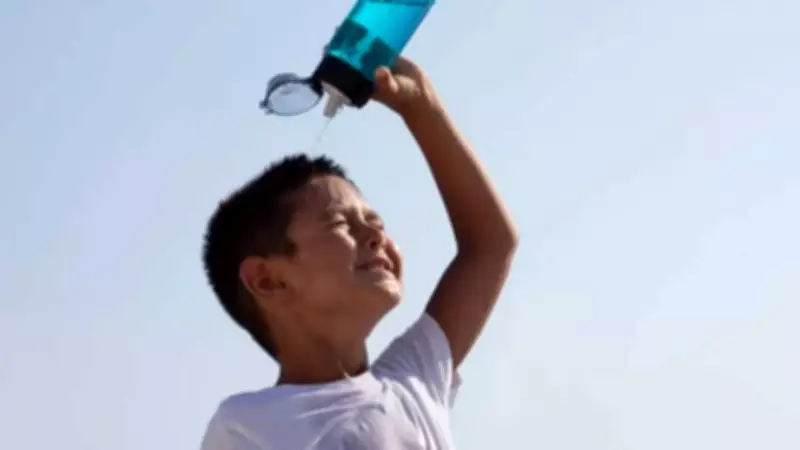
Protecting Children from Summer Heat: Essential Hydration and Safety Tips
As temperatures soar during the scorching summer months, children become increasingly vulnerable to dehydration and various heat-related health problems. A significant challenge is that young ones often fail to recognize their own thirst, particularly when engrossed in play or physical activities. This oversight places a critical responsibility on parents to proactively ensure their children remain adequately hydrated throughout the day.
The Vital Role of Hydration in Child Health
Health experts emphasize that proper hydration extends beyond merely drinking water. Maintaining a healthy, balanced diet is equally important for helping children cope with extreme weather conditions. Parents can implement multiple strategies to keep their children safe, active, and healthy during heatwaves. Below are comprehensive methods to ensure optimal hydration and protection.
Encourage Frequent Water Intake
The most straightforward and effective approach to hydration is encouraging children to drink water regularly. Children frequently forget to hydrate while playing or engaging in physical exertion, making parental reminders essential. Experts advise that children should not wait until they feel thirsty; instead, they should develop the habit of drinking water at regular intervals.

Practical steps include:
- Providing a reusable water bottle for school and outdoor activities
- Setting timed reminders for water breaks during play
- Educating children about the importance of hydration for regulating body temperature and preventing fatigue and dizziness
Incorporate Water-Rich Fruits and Foods
Another effective hydration strategy involves incorporating water-rich foods into children's diets. Fruits like watermelon, oranges, and muskmelon, along with vegetables such as cucumber, contain high water content and essential nutrients perfect for summer consumption. Since children generally enjoy fruits, this method serves dual purposes: hydration and nutrition.
Additional hydrating options include:
- Fresh salads with leafy greens and hydrating vegetables
- Homemade smoothies using seasonal fruits
- Chilled soups and yogurt-based dishes that help cool the body
Avoid Sugary and Fizzy Drinks
While children may crave cold fizzy beverages during summer, these drinks are counterproductive for hydration. Despite providing temporary cooling sensations, their high sugar content can lead to dehydration over time. Parents should instead offer healthier alternatives that both hydrate and nourish.
Recommended substitutes include:
- Fresh fruit juices without added sugars
- Traditional buttermilk, which aids digestion and hydration
- Infused water with slices of citrus or cucumber for flavor
- Coconut water, rich in electrolytes
Dress Children in Light and Breathable Clothing
Clothing choices significantly impact body temperature regulation during summer. Parents should dress children in light-colored, breathable fabrics that help keep the body cool. This reduces excessive sweating and minimizes water loss through perspiration.
Key clothing considerations:
- Opt for loose-fitting cotton or linen garments
- Avoid dark colors that absorb heat and increase sweating
- Choose moisture-wicking fabrics for physical activities
- Ensure proper sun protection with wide-brimmed hats when outdoors
Plan Outdoor Activities Wisely
While outdoor play is beneficial for children, careful planning is crucial during extreme heat. Avoid sending children outside during peak afternoon hours when solar radiation is most intense. Instead, schedule outdoor activities for early mornings or evenings when temperatures are milder.
Essential outdoor safety measures:

- Provide regular breaks in shaded areas during play
- Ensure continuous access to drinking water
- Equip children with protective caps or hats
- Apply child-safe sunscreen regularly
- Monitor children for signs of heat exhaustion
By implementing these comprehensive strategies, parents can effectively safeguard their children against summer heat risks. Proactive hydration management combined with smart dietary choices, appropriate clothing, and careful activity planning creates a holistic approach to summer safety. Remember that prevention is always more effective than treatment when it comes to heat-related health concerns in children.