

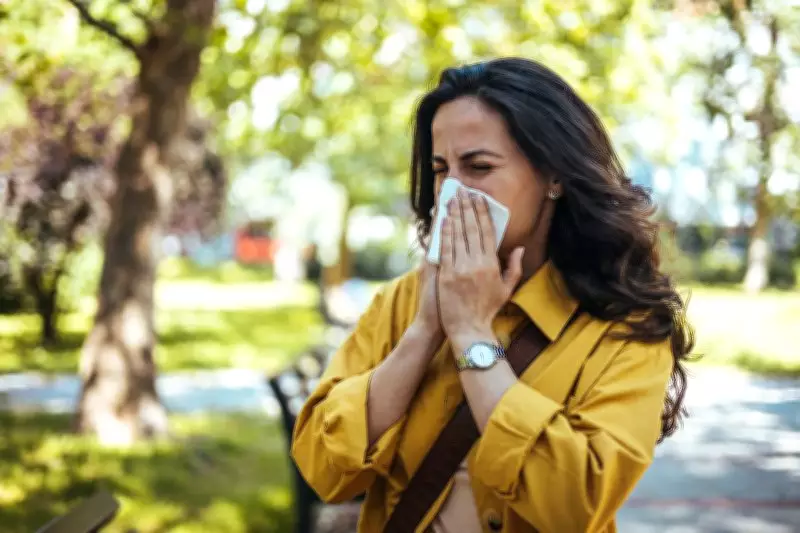
Essential Survival Guide for Managing Seasonal Allergies Effectively
Seasonal allergies, often triggered by pollen from trees, grasses, and weeds, can significantly impact daily life, causing symptoms like sneezing, itchy eyes, and congestion. As allergy seasons become more intense due to environmental factors, having a robust survival guide is crucial for maintaining well-being. This comprehensive guide provides actionable strategies to help individuals navigate and mitigate the effects of seasonal allergies.
Understanding Seasonal Allergies
Seasonal allergies, also known as hay fever or allergic rhinitis, occur when the immune system overreacts to airborne allergens such as pollen. Common triggers include tree pollen in spring, grass pollen in summer, and weed pollen in fall. Symptoms typically include sneezing, runny or stuffy nose, itchy or watery eyes, and throat irritation. In severe cases, allergies can lead to fatigue, headaches, and even asthma exacerbations, affecting productivity and quality of life.
Key Prevention Strategies
Preventing exposure to allergens is the first line of defense against seasonal allergies. Here are some effective prevention tips:

- Monitor Pollen Counts: Check local pollen forecasts daily and limit outdoor activities when counts are high, typically in the early morning and on windy days.
- Keep Windows Closed: Use air conditioning at home and in the car to filter out pollen, and avoid opening windows during peak allergy seasons.
- Practice Good Hygiene: Shower and change clothes after spending time outdoors to remove pollen from your skin and hair.
- Use Air Purifiers: Invest in HEPA air purifiers for indoor spaces to reduce allergen levels and improve air quality.
Symptom Management and Relief
When prevention isn't enough, managing symptoms becomes essential. Over-the-counter and prescription medications can provide relief, but it's important to use them correctly. Antihistamines help reduce sneezing and itching, while nasal corticosteroids are effective for nasal congestion. For immediate relief, saline nasal rinses can flush out allergens and soothe irritated passages. Additionally, natural remedies like honey (from local sources) and steam inhalation may offer complementary benefits, though their efficacy varies.
Lifestyle Adjustments for Allergy Sufferers
Making simple lifestyle changes can significantly reduce allergy symptoms and improve overall health. Consider the following adjustments:
- Dietary Modifications: Incorporate anti-inflammatory foods such as fruits, vegetables, and omega-3 fatty acids to boost immune function and reduce allergic responses.
- Regular Exercise: Engage in indoor workouts during high pollen days to maintain fitness without triggering symptoms.
- Stress Management: Practice relaxation techniques like yoga or meditation, as stress can worsen allergy symptoms by affecting the immune system.
- Consult Healthcare Professionals: Seek advice from allergists for personalized treatment plans, including allergy testing and immunotherapy options for long-term relief.
Long-Term Solutions and Future Outlook
For those with persistent or severe allergies, long-term solutions like immunotherapy (allergy shots or sublingual tablets) can desensitize the immune system to specific allergens, providing lasting relief. Staying informed about climate change impacts on pollen seasons is also important, as rising temperatures and increased carbon dioxide levels may prolong and intensify allergy periods. By adopting a proactive approach, individuals can better manage seasonal allergies and enjoy a healthier, more comfortable life year-round.






