

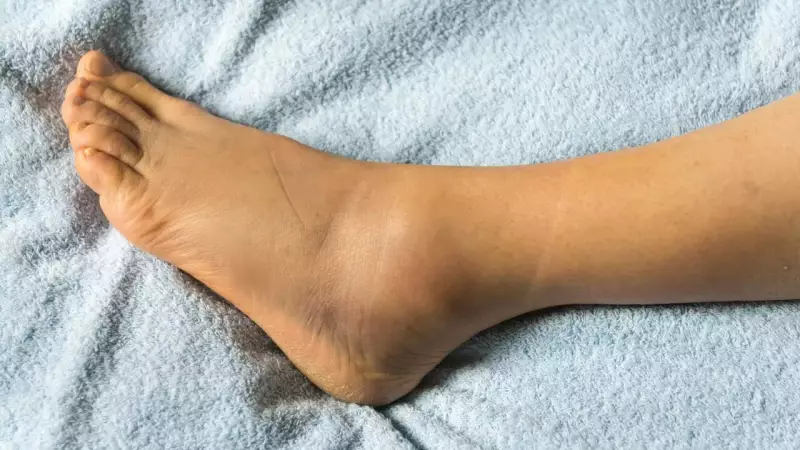
Many of us have experienced puffy ankles after a long day of standing, a road trip, or during hot weather. This common occurrence often fades with rest, leading most people to dismiss it as a temporary nuisance. However, medical experts warn that persistent or recurrent ankle swelling is far from a superficial concern. It can be a crucial, early indicator of significant internal health problems, from circulatory issues to organ dysfunction.
Why Ankle Swelling is More Than Just Tired Legs
The ankles are particularly prone to swelling, or edema, due to gravity. When the body's systems for managing fluid balance are compromised, excess fluid can pool in the lower extremities. While occasional swelling is normal, its persistent nature demands attention. A study published in PLOS One underscores that factors like ageing blood vessels, reduced mobility, and chronic illnesses contribute to sustained fluid retention in the legs. In today's sedentary lifestyle era, this symptom is increasingly viewed not as a trivial problem but as a visible clue to one's internal well-being.
Early signs are subtle and easily ignored. People often adapt to the discomfort, postponing a doctor's visit because the swelling doesn't severely disrupt daily life initially. Common early indicators include:

- Slight puffiness around the ankles or feet by the end of the day.
- Indentations in the skin after removing socks or shoes.
- Skin around the ankles appearing shiny or stretched.
- A sensation of heaviness, tightness, or dull ache without sharp pain.
- Swelling that improves after elevating the legs or a night's sleep.
Underlying Health Conditions Linked to Swollen Ankles
When ankle swelling becomes a regular feature, it points to potential disruptions in vital bodily functions. The fluid buildup is often a symptom of an underlying condition that affects circulation or organ performance.
Key medical causes behind chronic ankle swelling include:
- Chronic Venous Insufficiency (CVI): This occurs when valves in the leg veins weaken, causing blood to pool instead of flowing efficiently back to the heart.
- Heart Problems: Conditions like heart failure can impair the heart's pumping ability, leading to fluid backup in the legs and ankles.
- Kidney Disease: Impaired kidneys struggle to remove excess fluid and sodium from the body, resulting in edema.
- Liver Disease: A damaged liver may produce insufficient blood proteins (albumin), causing fluid to leak from blood vessels into surrounding tissues.
- Inflammation: Local issues like injuries, infections, or arthritis in the ankle joint can cause swelling.
- Medication Side Effects: Certain drugs for blood pressure, hormones, or steroids can lead to fluid retention as a side effect.
Diagnosis, Risks of Ignoring, and Treatment Pathways
Diagnosing the root cause involves more than a visual check. Doctors conduct a thorough assessment to determine if the swelling is localized or a sign of systemic disease. This process includes a physical examination of the legs, a detailed review of medical history and habits, blood tests to check kidney and liver function and protein levels, urine analysis, and imaging tests like ultrasound or echocardiogram if heart or circulatory issues are suspected.
Ignoring persistent ankle swelling can have serious consequences. The continuous fluid buildup is not just uncomfortable; it can lead to significant health complications. Risks include the progression of undiagnosed heart or vascular disease, increased susceptibility to skin infections and slow-healing leg ulcers due to stretched and weakened skin, reduced mobility from stiffness and pain, permanent skin changes like thickening and discoloration, and delayed diagnosis of kidney or liver disease until it reaches an advanced stage.
Effective treatment focuses on addressing the underlying cause, not just the symptom. With proper and early management, disease progression can be slowed, and patient comfort and mobility improved. Treatment strategies may involve:

- Medications to manage heart, kidney, or liver conditions.
- Adjusting or changing medications that contribute to swelling.
- Using compression stockings to improve venous blood flow.
- Lifestyle modifications such as regular movement, leg elevation, dietary salt reduction, and weight management.
- Ongoing monitoring to ensure edema does not signal a worsening of the primary condition.
Disclaimer: This information is for general awareness only and is not a substitute for professional medical advice, diagnosis, or treatment. Health conditions vary, and individuals should always consult a qualified healthcare professional for guidance tailored to their specific situation.





