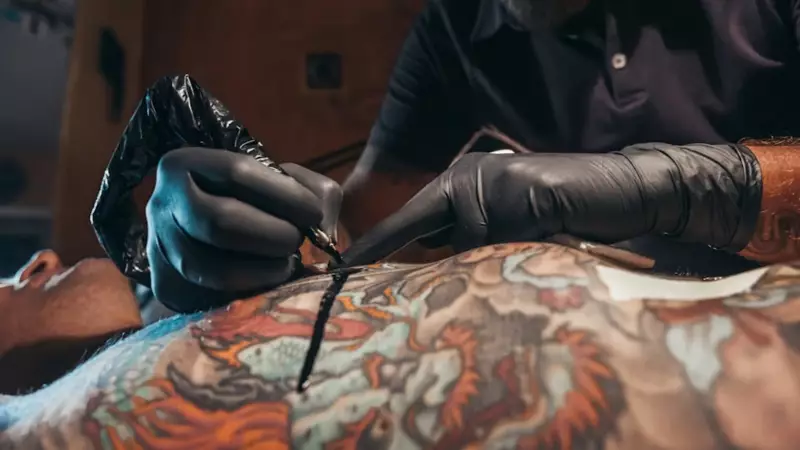
Getting inked might be a popular form of self-expression, but a new scientific review sounds a serious alarm. The pigments used in tattoo ink could potentially increase the risk of developing skin cancer, according to recent research. The findings highlight a hidden danger lurking within the vibrant colours that millions choose to wear permanently on their skin.
What's Hiding in Your Tattoo Ink?
The comprehensive review, which analysed numerous existing studies, points a finger at the chemical composition of the inks themselves. Researchers found that many tattoo inks contain azo compounds, which are synthetic pigments. While these compounds are often stable in their original form, the problem arises when skin is exposed to sunlight or laser removal treatments.
Under ultraviolet (UV) radiation from the sun or the high-energy beams of a laser, these azo compounds can degrade. This breakdown process can release cancer-causing aromatic amines. The European Chemicals Agency has already classified many of these amines as carcinogenic. Essentially, the very process meant to remove an unwanted tattoo or the simple act of sun exposure could transform inert ink particles into a toxic threat.
Furthermore, the study notes that tattoo inks frequently contain other concerning substances like polycyclic aromatic hydrocarbons (PAHs), heavy metals like nickel, chromium, and cobalt, and various preservatives and contaminants. These substances are known to be carcinogenic or can trigger severe allergic reactions and inflammation.
From Inflammation to Malignancy: The Biological Pathway
How does ink under the skin lead to cancer? The research outlines a clear biological chain of events. First, the tattooing process itself causes trauma, inserting foreign particles deep into the dermis. This triggers a state of chronic, low-grade inflammation as the body constantly tries to fight what it perceives as an invader.
This persistent inflammatory environment is a known risk factor for cancer development. When combined with the potential release of carcinogens from degraded ink particles, the risk multiplies. The study specifically links this mechanism to an increased likelihood of squamous cell carcinoma, a common type of skin cancer, and even keratoacanthoma, a type of skin tumour.
Disturbingly, the report cites cases where skin cancers, including melanoma—the deadliest form—have been diagnosed directly within tattooed skin. While a direct cause-and-effect is complex to prove in individual cases, the accumulating evidence of the association is strong enough to warrant significant caution.
Navigating the Risks: What Tattoo Lovers Need to Know
This revelation does not mean everyone with a tattoo is destined to develop skin cancer. However, it underscores a critical lack of regulation and awareness. The tattoo industry, particularly in many regions, operates with little oversight regarding ink ingredients.
So, what can you do if you have tattoos or are planning to get one? Experts strongly recommend the following precautions:
- Sun Protection is Non-Negotiable: Always apply a high-SPF, broad-spectrum sunscreen over your tattoos before going out in the sun. This can help prevent the photodegradation of ink chemicals.
- Choose Studios Wisely: Opt for reputable tattoo artists who use high-quality, sterilized equipment and are transparent about the brands of ink they use.
- Monitor Your Skin: Regularly check your tattoos for any changes. Be alert to signs like sudden itching, scaling, raised bumps, or changes in the size or colour of a mole within inked skin. Any such change warrants an immediate visit to a dermatologist.
- Consider Laser Removal Risks: If thinking about tattoo removal, discuss the potential for carcinogen release with your dermatologist. Ensure the procedure is conducted in a medical setting.
The study serves as a crucial wake-up call for both consumers and regulators. It advocates for stricter regulation of tattoo ink ingredients globally, mirroring steps already taken by the European Union. For millions of tattooed individuals in India and worldwide, the message is clear: the art on your skin requires lifelong care and vigilance. The pursuit of beauty and expression must now be balanced with an informed understanding of potential long-term health implications.