

Thyroid hormones are the body's master regulators of metabolism, and their influence extends far beyond energy levels, critically governing the health of your skin, hair, and nails. Scientific evidence confirms that imbalances in these hormones, stemming from an underactive (hypothyroidism) or overactive (hyperthyroidism) thyroid gland, manifest in distinct and often distressing dermatological symptoms. Maintaining balanced thyroid function is, therefore, not just an endocrine concern but a cornerstone of dermatological wellness.
The Skin and Hair Toll of an Underactive Thyroid
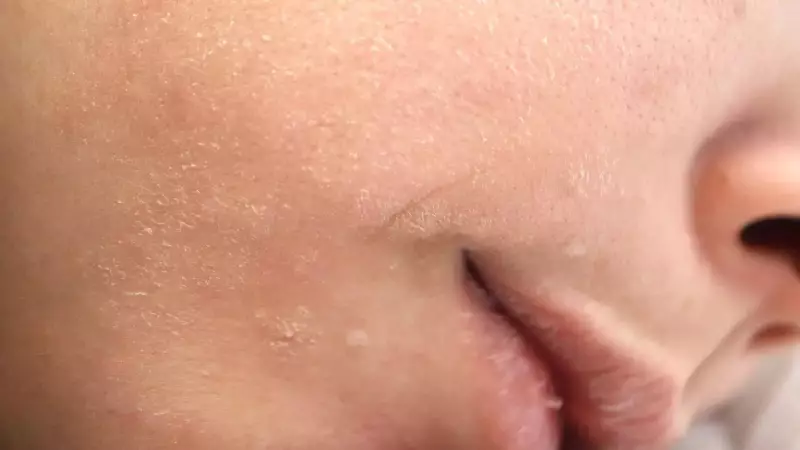
When the thyroid gland fails to produce sufficient hormones, a condition known as hypothyroidism, the slowdown in cellular metabolism directly impacts the skin's vitality. The most common sign is dry, rough, and pale skin, a result of reduced sebum production and slower turnover of skin cells. Blood flow to the skin decreases, making it feel cool to the touch.
The effects on hair are equally pronounced. Individuals often experience brittle, coarse hair that grows painfully slow. A telltale sign is the thinning of the outer third of the eyebrows, a condition termed madarosis. Nails become weak, brittle, and prone to splitting. In severe, untreated cases, a condition called myxoedema can occur, where mucopolysaccharides deposit in the skin, causing a characteristic puffiness. Wound healing also slows down significantly due to impaired cellular repair mechanisms.

When the Thyroid is Overactive: Hyperthyroidism's Mark
Conversely, hyperthyroidism, characterized by an excess of thyroid hormones, accelerates bodily processes, including those in the skin. The skin often becomes thin, smooth, and unusually warm due to heightened blood flow. Excessive sweating, or hyperhidrosis, is a frequent complaint.
Hair follicles cycle too quickly, leading to diffuse hair thinning and non-scarring alopecia. Nails may develop a concave, spoon-shaped appearance known as Plummer's nails. The skin on the face, palms, and elbows may show visible capillaries and redness. In Graves' disease, a common cause of hyperthyroidism, some patients develop skin thickening or nodules, and premature greying of hair can also occur due to metabolic stress.
Science-Backed Skincare Strategies for Thyroid Patients
The primary treatment for skin issues related to thyroid disorders is, unequivocally, the medical management of the hormone imbalance itself under a doctor's guidance. However, dermatologists recommend supportive skincare measures to alleviate symptoms and protect the skin barrier.
For those with hypothyroidism and dry skin, intensive moisturisation is key. Use rich creams or ointments containing barrier-repairing ingredients like ceramides, glycerine, urea, or shea butter. Avoid harsh, drying soaps and alcohol-based products. Limit bath time with hot water, opting for lukewarm water instead, and pat the skin dry gently.
Sun protection is non-negotiable for everyone, but especially here, as thyroid imbalances can make skin more susceptible to hyperpigmentation. A broad-spectrum sunscreen should be used daily. Internal hydration and a balanced diet, while reducing alcohol and caffeine, support overall skin and vascular health. Hair care should be gentle, and any persistent hair loss should be discussed with both an endocrinologist and a dermatologist to address the root hormonal cause.
In conclusion, the skin, hair, and nails are clear mirrors reflecting thyroid health. Hypothyroidism typically presents with dryness, brittleness, and slowdown, while hyperthyroidism leads to thinness, moisture, and accelerated changes. Recognizing this intimate connection empowers individuals to seek holistic care, combining endocrine treatment with tailored dermatological practices for comprehensive well-being.






