

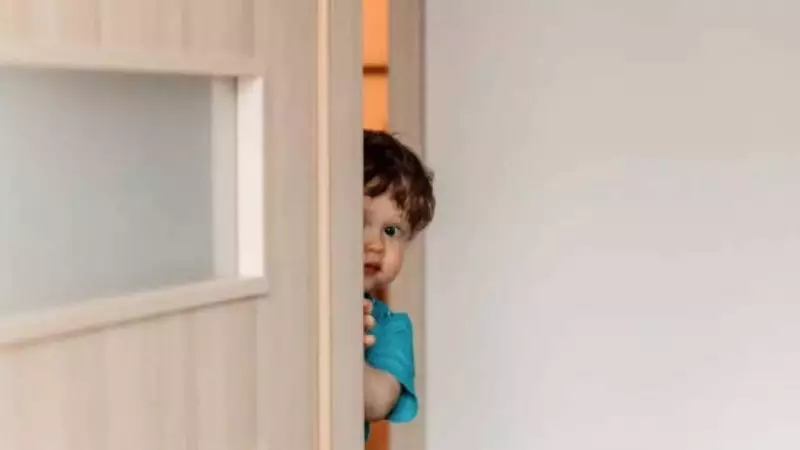
A chilling incident shared by a paediatrician on social media has jolted parents across India, serving as a grim reminder of how swiftly everyday life can turn tragic. Dr Syed Musab Hussaini Maghrabi posted a viral video on Instagram detailing how a toddler's life was nearly lost after the child accidentally ingested dishwasher detergent. The mother's haunting statement, "I turned my back for 10 seconds...", encapsulates the terrifying speed at which routine moments can become emergencies.
The Deadly Hazards Lurking in Your Kitchen
Many parents operate under the misconception that only medicines pose serious poisoning risks. However, medical experts stress that common kitchen cleaning agents can be far more lethal, causing instant and severe internal burns. The most dangerous items include dishwasher pods and liquids, which are notorious for causing immediate throat injuries upon ingestion. Other high-risk products are oven cleaners, drain uncloggers, and bleach, all known to lead to severe esophageal damage, blindness, respiratory issues, or permanent tissue trauma.
Alarmingly, even substances generally perceived as harmless, like hand sanitisers and essential oils, can trigger alcohol poisoning, seizures, or breathing difficulties within minutes in young children. These everyday items transform kitchens into high-risk zones, particularly for curious toddlers aged between 18 months and three years, which is identified as the peak danger period for such accidents.

Dangerous Myths and Global Statistics
A significant number of parents place false trust in child-resistant caps, not realizing they are designed to be resistant, not proof. In fact, a determined three-year-old can often open these caps in seconds. This misunderstanding leads to unsafe storage practices, with about 73% of parents storing bleach, cleaners, and detergents in low cabinets or under the sink, believing the caps will provide adequate safety.
The global statistics are sobering. Every single day, more than 300 children are treated in U.S. emergency rooms for accidental poisoning, with two children dying daily from ingesting poisonous substances. Nearly 90% of these incidents occur inside the child's own home. Toddlers, driven by innate curiosity and unaware of danger, are often attracted to brightly coloured bottles and sweet-smelling cleaners that they mistake for juice, gel, or candy.
Essential Safety Precautions and Emergency Response
Child-safety specialists recommend a multi-pronged approach to prevent such tragedies. All cleaning products must be stored in high, locked cabinets, completely out of a toddler's reach. The common practice of storing chemicals under the sink is particularly dangerous. Products should be returned to their secure location immediately after use, even if you plan to use them again shortly. Installing magnetic locks on low cupboards adds an essential layer of security.
Parents are also advised to keep all chemicals in their original containers, as transferring liquids increases the risk of a child mistaking them for a drink. Creating a designated "safe cupboard" filled with child-friendly items can help redirect a toddler's curiosity without risk.
Recognising the early signs of poisoning is critical. Symptoms include lip swelling, chemical burns around the mouth, excessive drooling, difficulty swallowing, watery eyes, or laboured breathing. These signs should never be ignored, as internal damage from corrosive substances can progress rapidly.
In case of suspected poisoning, doctors strongly warn against common mistakes. Do not induce vomiting, give milk or water, or attempt home antidotes, as these actions can worsen internal burns and increase the risk of the chemical entering the lungs. Activated charcoal is also ineffective for corrosive materials. The correct immediate steps are:

- Keep the child calm and in a seated, upright position to prevent choking.
- Rinse the child's mouth with water gently, without forcing them to swallow.
- Call Emergency Services immediately at 108.
- Bring the product container to the hospital to aid doctors.
- Monitor breathing closely and stay with the child until help arrives.
The viral video ends with a powerful message that has resonated globally: toddlers often explore most actively when parents are preoccupied, especially during meal preparation. That brief moment—whether to fetch a sippy cup or check a boiling pot—is all it takes for disaster to strike. Parenting experts urge families to share these warnings and implement simple home adjustments, as awareness and precaution can unequivocally save a child's life.





