

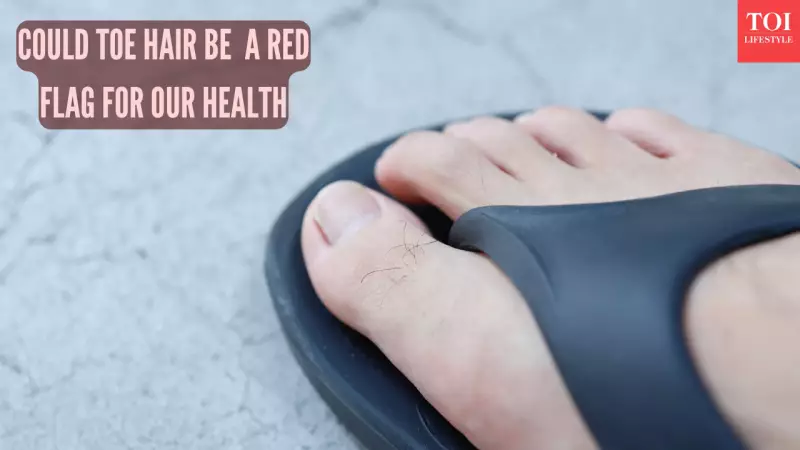
It might seem like a trivial, barely noticeable feature, but the presence or absence of hair on your toes can serve as a surprisingly clear window into your body's vascular health and metabolic state. This minor physical trait offers crucial clues about how effectively blood is flowing to your extremities and whether underlying conditions like insulin resistance are silently affecting your circulation.
Why Toe Hair Growth Matters for Your Health
Dr. Shraddey Katiyar, MMBS, MD, explains that just like hair anywhere else on the body, the follicles on your toes require a constant and robust blood supply to remain healthy and active. Good blood circulation ensures the delivery of oxygen and vital nutrients to these follicles, enabling hair to grow and sustain itself. Therefore, when circulation in the feet and toes is optimal, healthy hair growth is generally observed.
Conversely, a decline in circulation—whether due to vascular damage or constriction—starves these follicles. Deprived of oxygen and nutrients, the hair on your toes may begin to thin, become sparse, or disappear altogether. Thus, healthy toe hair is an indirect but easy-to-spot manifestation of good peripheral circulation, while its loss can be an early warning signal of vascular issues.

The Critical Link Between Insulin Resistance and Toe Hair
One of the most common conditions leading to impaired circulation is chronic insulin resistance, often associated with type-2 diabetes. Insulin resistance results in elevated blood sugar and insulin levels. Over time, this leads to inflammation and arterial stiffness, which damage blood vessel walls.
This damaging process causes arteries to narrow, reducing the blood supply to the body's most distant parts, including the toes. With this impaired circulation, hair follicles receive less of the oxygen and nutrients essential for their survival, triggering gradual hair loss over the toes and feet. This vascular deterioration is one of the first physical signs of peripheral artery disease, a condition closely linked to both diabetes and metabolic syndrome.
Recognising Toe Hair Loss as a Red Flag
While hair loss on the toes by itself is not a definitive diagnosis, it is an easily observed clue about vascular health, especially when accompanied by other symptoms. Key signs to watch for include:
- Persistently cold or numb feet and toes
- Tingling or burning sensations in the feet
- Cuts or wounds on the feet that are slow to heal
- Cramping or aching in the legs while walking (claudication)
- Shiny or unusually pale skin on the legs and feet
When hair loss on the toes coincides with any of these symptoms, it is wise to consult a healthcare provider. They can evaluate your circulation and metabolic markers, including blood sugar and insulin levels, allowing for early detection of any underlying issue.
Steps to Protect Your Blood Circulation and Foot Health
Protecting foot and vascular health begins with lifestyle choices that support blood vessel function and metabolic balance. Key recommendations include:
- Maintaining healthy blood sugar levels through a balanced diet and regular exercise.
- Quitting smoking, which severely damages blood circulation and can cause significant arterial harm.
- Engaging in regular physical activity to improve vascular tone and blood flow.
- Controlling high blood pressure and cholesterol levels to prevent further arterial damage.
- Practicing proper foot care to prevent infections and enhance healing.
Our feet and toes often narrate a broader story about our overall health. The presence or absence of hair is just one of many bedside clues that reveal how our circulatory and metabolic systems are performing. Clinicians frequently scrutinise such signs when screening for diabetes or peripheral artery disease complications.
Paying attention to subtle signs like thinning toe hair allows for earlier intervention, rather than waiting for severe symptoms like ulcers, infections, or extreme pain to develop. Identifying problems at this stage can help prevent dangerous complications, including serious foot ulcers or even amputations.






