

Migraine headaches rank among the most debilitating neurological conditions globally, impacting an estimated six million people worldwide. While the root causes of migraine are complex, involving genetics, environment, and lifestyle, specific dietary choices are known to provoke attacks in sensitive individuals. Identifying these personal food triggers is a critical step in managing the condition and reducing the frequency of painful episodes.
Why Common Vegetables Can Trigger a Migraine Attack
For many, everyday vegetables like tomatoes, onions, and potatoes are dietary staples. However, for a subset of migraine sufferers, these foods can be a hidden source of agony. The connection lies in certain natural compounds within these foods that can influence brain chemistry. Substances such as histamines, tyramine, and salicylates can provoke chemical changes, affect blood vessels, or disrupt gut-brain signalling, potentially leading to the onset of a migraine.
The Trouble with Tomatoes
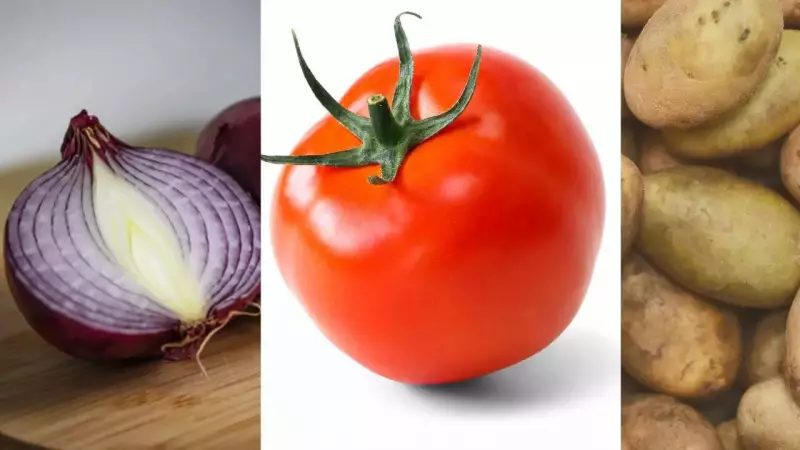
Tomatoes are nutritious and feature prominently in Indian cuisines, from curries to chutneys. Yet, they contain histamines and salicylates, which are recognised triggers. The risk often intensifies with processed tomato products. Items like ketchup, tomato paste, and canned tomatoes tend to have more concentrated levels of these compounds compared to fresh tomatoes. If you suspect tomatoes are a trigger, experts recommend avoiding processed versions first and cautiously testing small amounts of fresh tomato to gauge your personal tolerance level.

Onions as a Potential Culprit
Onions, whether consumed raw or cooked, can also be problematic for some migraine patients. They contain sulphur compounds that may affect nerve signalling and blood vessel function. The trigger potential is not limited to whole onions; onion powder, commonly found in seasoning mixes, packaged snacks, and ready-to-eat meals, can be just as potent. If a pattern links onion consumption to your headaches, reducing intake or avoiding processed foods with onion powder may help prevent future episodes.
Are Potatoes a Safe Bet?
Generally, fresh potatoes prepared simply at home are well-tolerated by most people with migraines. The issue arises with highly processed potato products. Snacks like chips, fries, and instant mashed potato mixes often contain high levels of added salt, preservatives like MSG, and artificial flavours—all of which are common migraine triggers. Opting for plain, freshly cooked potatoes without additives is a safer dietary choice for those managing migraine susceptibility.
Practical Steps to Identify Your Food Triggers
Managing migraines through diet requires a personalised and methodical approach. Here are actionable tips endorsed by healthcare professionals:
Maintain a Detailed Food Diary: Log everything you eat and drink, alongside notes on the timing and severity of any migraine episodes. This can reveal crucial patterns over time.
Conduct Elimination Tests: If you suspect a specific food, eliminate it completely for a few weeks, then reintroduce it gradually while monitoring for symptoms.
Prioritise Whole Foods: A diet centred on fresh, minimally processed fruits, vegetables, and grains is less likely to provoke attacks compared to one high in packaged foods.
Scrutinise Food Labels: Be vigilant about additives, including preservatives, artificial sweeteners, and flavour enhancers like monosodium glutamate (MSG).
Seek Professional Guidance: Consulting a neurologist or a registered dietitian can help you develop a tailored, sustainable dietary strategy for migraine management.
It is vital to remember that sensitivity to foods like tomatoes, onions, and potatoes varies greatly from person to person. What triggers a severe attack in one individual may be completely harmless to another. Often, it is the processed forms of these foods that pose the greatest risk. By adopting a mindful approach to eating, keeping detailed records, and making informed choices, individuals with migraines can significantly reduce their headache burden and enhance their overall quality of life.

(Disclaimer: This article is intended for general informational purposes only and is not a substitute for professional medical advice. Always consult your doctor or a qualified healthcare provider before making any significant changes to your diet or treatment plan.)





