

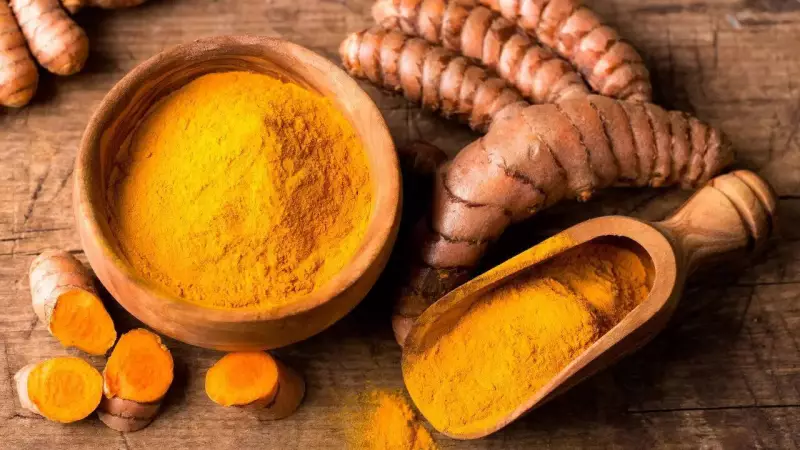
Turmeric, the golden spice revered in Indian kitchens for centuries, has transcended its culinary roots to become a global superstar in the wellness industry. Its active compound, curcumin, is widely promoted for its anti-inflammatory and antioxidant properties, supporting everything from joint health to digestion. However, as more people turn to high-dose supplements and concentrated powders, scientists are raising red flags about the potential dangers of consuming turmeric far beyond normal dietary levels.
When Too Much of a Good Thing Turns Bad
The shift from using turmeric as a spice to consuming it as a concentrated supplement is at the heart of the concern. While adding a pinch to your dal or curry is considered safe, the body may react very differently to the potent doses found in pills and extracts. This is particularly crucial for individuals with existing health conditions or those on medication, as the concentrated curcumin can interact in unexpected ways.
Medical databases like LiverTox have begun documenting recurring adverse effects linked to high turmeric intake. The key takeaway is that the risk profile changes dramatically when you move from food to supplement. Being aware of these potential side effects is essential for making informed health choices and avoiding complications from prolonged overconsumption.

1. Digestive System Under Fire
One of the most common complaints from high turmeric consumption is gastrointestinal distress. The digestive tract is simply not designed to handle the concentrated chemical load of a supplement, especially when taken on an empty stomach. Curcumin can irritate the stomach lining, alter digestive enzyme activity, and disrupt gastric secretions.
Symptoms often include persistent nausea, stomach cramps, bloating, indigestion, and even diarrhoea. Individuals with a sensitive gut or conditions like IBS may experience these effects more severely.
2. The Hidden Strain on Your Liver
The liver is the body's primary detoxification organ, and it works hard to metabolise and break down curcumin for excretion. Excessive intake places an unnatural metabolic burden on the liver. This strain is amplified when turmeric is combined with bioavailability enhancers like piperine (black pepper extract), which keeps curcumin circulating in the bloodstream for longer.
While outright liver injury from turmeric is rare, high-dose supplementation can lead to elevated liver enzymes, indicating hepatic stress. Those with pre-existing liver conditions need to be especially cautious, as their metabolic pathways are already compromised.
3. Dangerous Drug Interactions
This is one of the most critical risks. Curcumin has mild blood-thinning properties. When combined with prescription anticoagulants like warfarin or aspirin, it can dangerously increase the risk of bleeding and bruising.
Furthermore, curcumin interferes with cytochrome P450 enzymes, a family of enzymes responsible for metabolising a vast array of pharmaceutical drugs. This interaction can alter the concentration of medication in your blood, either reducing its efficacy or causing toxic buildup. Anyone on medication for chronic conditions must consult a doctor before starting turmeric supplements.
4. Risk of Iron Deficiency
A less-known but significant side effect is curcumin's ability to chelate, or bind to, iron. This process can reduce the bioavailability of dietary iron, impairing its absorption in the gut. For the average person using turmeric as a spice, this is not a concern. However, for individuals relying on high-dose supplements, especially those with anaemia or low iron stores, prolonged use could worsen deficiency.
Symptoms of compromised iron levels include unusual fatigue, pale skin, shortness of breath, and light-headedness.
5. Allergic Reactions and Skin Sensitivity
Though uncommon, some individuals can develop allergic responses to high concentrations of curcumin or other compounds in turmeric supplements. Reactions can occur from oral intake or topical application and may include skin rashes, hives, itching, and facial swelling. The immunomodulatory nature of curcumin might also trigger heightened sensitivity in some people.

How to Enjoy Turmeric Safely and Effectively
The golden rule is moderation and mindfulness. The potential benefits of turmeric are best harnessed through dietary consumption—enjoying it as part of a balanced diet in its natural, powdered form within food.
If you opt for supplements, choose reputable brands, strictly follow the recommended dosage on the label, and avoid long-term, high-dose use without medical supervision. Most importantly, always inform your healthcare provider about any supplements you are taking, as they can advise on potential interactions with your health profile and medications.
By respecting the potency of this ancient spice, you can support your wellness journey without inadvertently stressing your liver, gut, or overall health.





