

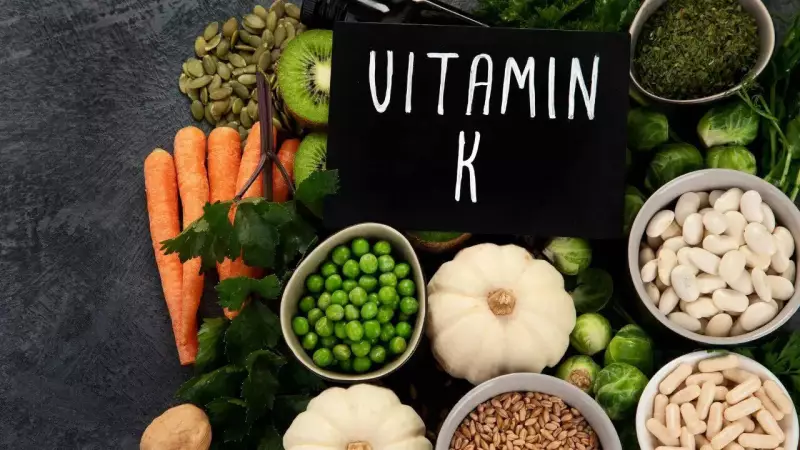
Vitamin K, a crucial fat-soluble nutrient, plays a far more significant role in our health than many realise. Its insufficiency can lead to serious conditions ranging from life-threatening bleeding in newborns to weakened bones and increased cardiovascular risks in adults. Understanding this vitamin's importance is key to long-term wellness.
What Health Problems Can Vitamin K Deficiency Cause?
Vitamin K is essential for activating proteins that control blood clotting. Without it, the body cannot stop bleeding effectively. This deficiency manifests in several specific diseases.
One of the most critical conditions is Hemorrhagic Disease of the Newborn (HDN), also known as Vitamin K Deficiency Bleeding (VKDB). Newborns are particularly vulnerable because they have low vitamin K reserves at birth, their livers are not yet efficient at using it, and their intestines lack the bacteria to produce it in the first days. Breast milk, while ideal in many ways, is also low in vitamin K. Severe cases can lead to dangerous internal bleeding, including in the brain.

In children and adults, a lack of vitamin K can cause a bleeding disorder or coagulopathy. This leads to symptoms like frequent nosebleeds, bleeding gums, easy bruising, and prolonged bleeding from minor cuts or wounds.
Beyond bleeding, vitamin K is vital for bone health. It assists in producing osteocalcin, a protein that helps bind calcium to the bone matrix. Insufficient vitamin K can result in poor bone mineralization, leading to weakness, conditions like osteopenia, and a higher risk of osteoporosis and fractures.
Emerging research highlights its role in heart health. Vitamin K helps regulate calcium deposition in the body. When levels are low, calcium can build up in the walls of blood arteries, a process called vascular calcification, which stiffens arteries and raises the risk of heart disease.
Furthermore, vitamin K deficiency and liver disease are closely linked. The liver processes vitamin K, so liver ailments can cause a deficiency. Conversely, a lack of vitamin K can worsen existing liver problems and increase bleeding risks in these patients.
Who is at Risk and What are the Warning Signs?
Certain factors significantly increase the risk of vitamin K deficiency. Adults are more susceptible if they take blood-thinning medications (anticoagulants like warfarin), use antibiotics that disrupt gut bacteria, consume insufficient dietary vitamin K, or take very high doses of vitamins A or E.
Medical conditions that cause fat malabsorption are major risk factors, as vitamin K is fat-soluble. These include celiac disease, cystic fibrosis, and disorders of the intestines, liver, gallbladder, or bile ducts. People who have undergone intestinal surgery, such as bariatric procedures, are also at risk.
The warning signs often start subtly. Before major bleeding occurs, individuals may notice they bruise very easily or develop small blood clots under their fingernails. Spontaneous bleeding from the nose or gums, or internal bleeding in the stomach or intestines without injury, are red flags. Unexplained bone weakness or a diagnosis of osteopenia are also potential indicators of chronic low levels.
How to Ensure Adequate Vitamin K Intake
Treatment for a diagnosed deficiency typically involves supplementation with phytonadione (vitamin K1), administered orally or by injection if absorption is an issue. However, prevention through diet is the best strategy.
Vitamin K comes in two main forms. Vitamin K1 (phylloquinone) is found abundantly in green leafy vegetables like spinach, kale, collard greens, and broccoli. Vitamin K2 (menaquinone) is present in fermented foods (like the Japanese dish natto), cheese, egg yolks, and meat. Gut bacteria also produce a small amount of K2.
The recommended daily intake, according to experts like those at the Harvard School of Public Health, is 120 micrograms for adult men and 90 micrograms for women (including those pregnant or breastfeeding). A single serving of dark leafy greens can often meet or exceed this requirement.
For newborns, a single intramuscular vitamin K shot at birth is a standard and highly effective public health measure to prevent HDN.

While ensuring adequate vitamin K is vital, it is important to consult a qualified healthcare provider for personalised advice, especially if you have underlying health conditions or are on medication. This information is for awareness and is not a substitute for professional medical diagnosis or treatment.





