

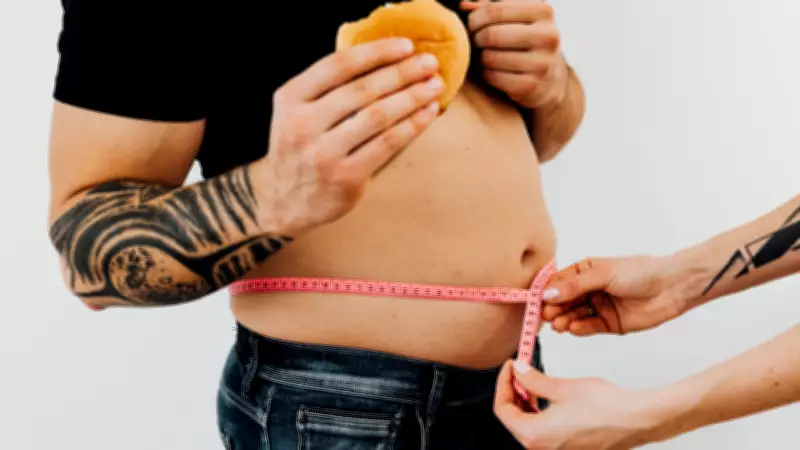
Why Weight Loss Feels Like an Uphill Battle
Weight loss is often marketed as a straightforward formula: consume fewer calories and increase physical activity. However, anyone who has embarked on a weight loss journey understands that reality is far more complex. The human body possesses intricate biological systems designed for survival, not for achieving a slim physique. It actively defends stored fat, modulates hunger signals, and reduces energy expenditure when calorie intake declines.
Globally, obesity rates have nearly tripled since 1975, according to the World Health Organization. In India, urban areas have witnessed a sharp rise in overweight and obesity cases over the past decade. Despite heightened awareness, many individuals find it challenging to shed even a few kilograms and maintain their weight loss over time.
Medical professionals emphasize that this struggle is not a reflection of personal failure but rather a result of biological processes at work.

The Body's Survival Instinct Overrides Aesthetic Goals
Dr. Salil Yadav, Consultant in General Surgery & Minimal Access And Robotic Surgery at Manipal Hospital, Gurugram, clarifies that the human body interprets dieting as a threat to survival. "When an individual reduces food intake, the brain does not perceive this as a health-conscious effort; instead, it registers a state of starvation. In response, the body decelerates metabolism to conserve energy. This means that even with physical activity, calorie burning diminishes significantly. This internal defense mechanism transforms natural weight loss into a constant battle against a system inherently programmed to retain fat," he explains.
In essence, the body prioritizes safety over appearance, viewing stored fat as a crucial reserve. When food consumption decreases, the body activates protective measures to halt further loss.
Metabolism Slows Down More Than Anticipated
Metabolism refers to the rate at which the body expends calories. Many people assume it remains constant, but research funded by the National Institutes of Health reveals otherwise. After substantial weight loss, resting metabolism can decline more than expected for a person's new body size. This phenomenon, known as "metabolic adaptation," indicates that the body becomes more efficient, burning fewer calories for identical activities.
Dr. Chirag Tandon, Director of Internal Medicine at ShardaCare Healthcity, elaborates on this shift: "When someone attempts to lose weight, the body reacts as if facing starvation. Hunger-controlling hormones, such as ghrelin, increase, while fullness-signaling hormones like leptin decrease. Simultaneously, the body slows metabolism to preserve energy. Consequently, individuals experience heightened hunger, increased fatigue, and a reduced calorie burn compared to before."
Thus, even with reduced calorie intake, the body adapts, narrowing the calorie deficit and slowing weight loss progress, often leading to frustration.
Hunger Hormones Amplify Appetite and Cravings
Two key hormones, ghrelin and leptin, play pivotal roles in regulating hunger. Ghrelin stimulates appetite, whereas leptin signals satiety. During dieting, ghrelin levels rise, and leptin levels fall. Studies supported by the NIH demonstrate that these hormonal changes post-weight loss can intensify appetite and food cravings.
Dr. Salil Yadav notes that these alterations can persist long after dieting concludes: "The hormone that indicates fullness diminishes, while the one that triggers hunger surges. These chemical shifts can endure for years, generating a powerful physical urge to eat that surpasses mere willpower. Essentially, the body compels the individual to consume more until it reverts to its previous, higher weight."
This explains why cravings feel overwhelmingly intense and personal—they are not merely habitual but biologically amplified signals.
Fat Cells Possess a 'Memory' That Promotes Regain
Why is weight regain so common? Dr. Chirag Tandon sheds light on this issue: "Fat cells also have a memory. After an extended period at a higher weight, the body strives to return to that set point. This is why individuals often regain lost kilograms after dieting. The challenge is compounded by factors such as stress, sleep deprivation, insulin resistance, and other hormonal disorders."

During weight loss, fat cells shrink, but their quantity typically remains unchanged. These cells emit signals urging refilling. When combined with stress, inadequate sleep, and insulin resistance, the difficulty of maintaining weight loss escalates.
The International Journal of Communal Medicine and Public Health has frequently identified sleep deprivation and rising stress levels as contributors to metabolic disorders in urban India. Reduced sleep elevates hunger hormones and enhances preference for high-calorie foods.
Extreme Dieting Often Leads to Rebound Effects
Skipping meals or adopting crash diets might yield rapid initial results, but they frequently set the stage for subsequent weight regain. Dr. Saksham Seth, Associate Consultant at ISIC Multispeciality Hospital, explains: "When calorie intake drops abruptly, the body enters survival mode. It begins to burn energy more efficiently, meaning daily activities consume fewer calories. Consequently, weight loss plateaus after a few weeks, even if the individual continues dieting."
He also highlights the brain's involvement: "The brain continuously monitors body weight and attempts to maintain it within a stable range. Excessive weight loss triggers cravings, particularly for high-calorie foods. This makes long-term dieting psychologically exhausting and difficult to sustain."
The body favors gradual modifications; sudden changes activate alarm systems that hinder progress.
When Medical Intervention Becomes Essential
For individuals with severe obesity, lifestyle adjustments alone may prove insufficient. Dr. Salil Yadav outlines the medical perspective: "Because these biological barriers are so formidable, many people cannot achieve a healthy weight solely through diet and exercise. This is why procedures like bariatric surgery, gastric bypass, or sleeve gastrectomy are employed as medical treatments. These surgeries do not merely reduce stomach size; they alter how the gut communicates with the brain. Surgery can permanently lower hunger hormones and assist the body in accepting a new, lower weight."
He adds a critical point: "Obesity is a biological issue, not a lack of discipline. Fat cells themselves resist shrinking and persistently signal for refilling. While natural weight loss is the ideal goal, surgeries provide a means to circumvent these internal obstacles by adjusting the body's chemistry. These medical tools offer a viable path to health when an individual's biology renders natural success nearly unattainable."
This does not imply that surgery is suitable for everyone, but it reinforces that obesity is a medical condition, not a moral failing.
Collaborating with the Body for Sustainable Results
Dr. Saksham Seth summarizes the long-term approach: "Weight loss should be approached with a realistic, medically informed strategy. Instead of self-blame, individuals should focus on gradual changes, adequate sleep, stress management, and professional guidance. The distinction between sustainable weight loss and a constant struggle lies in cooperating with the body rather than confronting it."
So, what strategies genuinely aid weight loss?
- Gradual calorie reduction instead of crash dieting
- Strength training to preserve muscle mass and support metabolism
- Seven to eight hours of quality sleep nightly
- Stress management through consistent routines and recovery practices
- Medical screening for conditions like thyroid disorders, insulin resistance, or hormonal imbalances
Weight loss becomes more sustainable when biological mechanisms are respected. Small, steady adjustments allow hormones and metabolism to adapt without triggering defensive responses.
Medical experts consulted for this article include Dr. Salil Yadav, Dr. Chirag Tandon, and Dr. Saksham Seth. Their inputs underscore that persistent weight gain and unsuccessful dieting attempts stem from complex biological processes, highlighting the importance of seeking professional medical advice over extreme dietary measures.





