

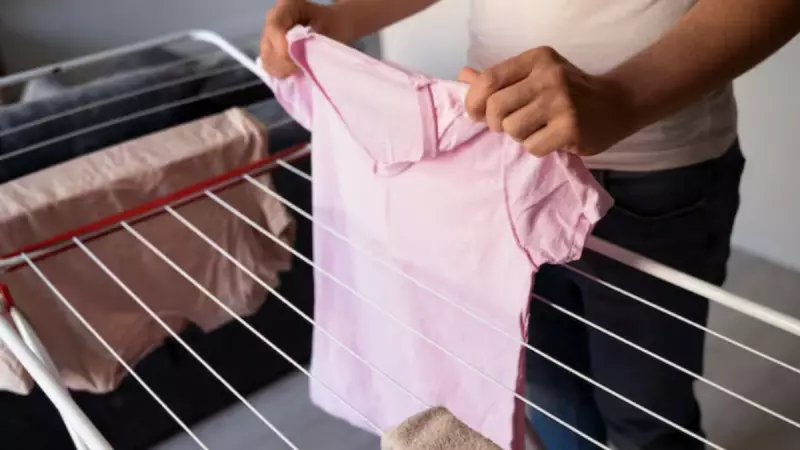
WHO Issues Health Warning Over Indoor Clothes Drying
The World Health Organization has released new guidelines that highlight significant health risks associated with drying clothes indoors. Many people, especially in urban areas or during monsoon seasons, hang wet laundry inside their homes. This common practice, however, can lead to serious health problems according to global health experts.
Why Indoor Drying Is Dangerous
Drying clothes inside increases indoor humidity levels dramatically. High humidity creates a perfect environment for mold and mildew to grow on walls, ceilings, and furniture. Mold spores then become airborne and people breathe them in. This exposure can trigger allergic reactions, asthma attacks, and other respiratory issues.
WHO guidelines specifically point out that damp indoor environments contribute to the development of respiratory diseases. Children, elderly individuals, and those with pre-existing health conditions face the greatest risk. The organization emphasizes that maintaining proper indoor air quality is crucial for overall well-being.

Common Problems Caused by Indoor Drying
- Respiratory Issues: Increased humidity leads to mold growth, which can cause coughing, wheezing, and breathing difficulties.
- Allergic Reactions: Mold spores act as allergens, triggering symptoms like sneezing, runny nose, and itchy eyes.
- Asthma Aggravation: People with asthma may experience more frequent and severe attacks in humid indoor environments.
- Structural Damage: Excess moisture can damage walls, paint, and wooden furniture over time.
- Unpleasant Odors: Damp clothes and mold growth often create musty smells that permeate living spaces.
Safer Alternatives Recommended by Experts
Health experts suggest several practical solutions to avoid these health risks. Whenever possible, dry clothes outdoors in sunlight. Sunlight naturally kills bacteria and mold spores while fresh air helps evaporate moisture quickly. For those living in apartments or areas with limited outdoor space, using a well-ventilated balcony can be effective.
When outdoor drying isn't feasible, consider using a clothes dryer with proper ventilation. Dehumidifiers also help control indoor humidity levels. Simply opening windows regularly improves air circulation and reduces moisture buildup. These small changes can significantly improve indoor air quality and protect your family's health.
Understanding the Science Behind the Warning
The WHO guidelines are based on extensive research about indoor air quality. When clothes dry indoors, they release moisture into the air. This moisture has nowhere to escape in sealed modern homes. As humidity rises above 60%, mold spores that are always present in the air begin to multiply rapidly.
Different types of mold produce different health effects. Some cause immediate allergic reactions while others may lead to chronic respiratory conditions over time. The guidelines stress that prevention through proper ventilation and moisture control is far more effective than treating mold-related health problems after they develop.
Many people underestimate how much moisture wet laundry adds to indoor air. A single load of washing can release several liters of water into your home's atmosphere. This creates conditions that are ideal not just for mold, but also for dust mites and other allergens to thrive.
Practical Tips for Indian Households
In India's diverse climate conditions, drying clothes presents unique challenges. During monsoon season or in humid coastal areas, outdoor drying becomes difficult. Urban residents in crowded cities often lack adequate drying spaces. Here are some practical solutions tailored for Indian homes:

- Use covered balconies with cross-ventilation during rainy seasons
- Install exhaust fans in laundry areas to remove moist air
- Consider portable drying racks that can be moved to well-ventilated areas
- Schedule laundry for sunny days whenever weather permits
- Monitor humidity levels with inexpensive hygrometers available in local markets
The WHO guidelines serve as an important reminder that everyday household practices can impact our health significantly. By making small adjustments to how we dry our clothes, we can create healthier living environments for ourselves and our families.





