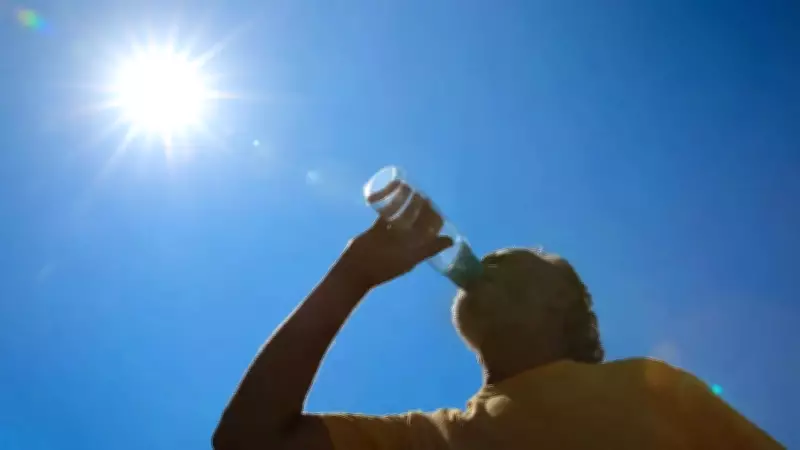
As a scorching heatwave grips the country, everything, including the air, feels like sitting in a blast furnace, and even the simple act of breathing makes you sweat. There is no denying that during these extreme temperature spikes, water is the best respite to sustain the harshness of the weather conditions. But is water enough? For ages, most people have been following the 8-glass rule as a sustainable respite from the heatwave. However, in a severe heatwave, proper hydration is not just about drinking tons of water; what you drink to stay hydrated is equally essential. Here is why the 8-glass rule hardly works in an extreme heatwave.
Is the 8-glass rule a hit or miss?
For ages, we have been told about the numerous benefits of drinking gallons of water as the only way to sail through the scorching heat. However, according to experts, the old "eight glasses of water a day" rule completely flies out the window when temperatures climb into the high 90s or triple digits. Under normal conditions, an average adult needs roughly 2.5 to 3.5 liters of fluids daily. But when you are trapped in a heatwave, your body can easily sweat out 1 to 2 liters of water every single hour if you are active outdoors. To counteract this massive fluid drain, health authorities recommend increasing your intake to anywhere from 3 to 5 liters (roughly 12 to 16 cups) spread evenly throughout the day, depending on your size and exertion levels.
Golden rule of heatwave hydration
Do not wait until you feel thirsty to start drinking, as by the time the brain signals thirst, your body is already running a 1% to 2% fluid deficit, meaning mild dehydration has already set in. Instead of chugging a giant gallon of water all at once, which just stresses the kidneys and causes frequent washroom trips, the secret to sustaining the harshness of heat is to continuously sip on water with electrolytes. Interestingly, our body can only absorb about 700 to 900 ml of water per hour. So, it is best to drink roughly 240 ml of water every 20 to 30 minutes. Keeping a reusable bottle at your side at all times serves as a visual reminder to keep topping off your tank before you hit the empty zone.

Is water enough to hydrate?
While water is the undisputed king of hydration, drinking only plain water during prolonged heat exposure can actually backfire. When you sweat, you lose vital minerals called electrolytes—mostly sodium, potassium, and magnesium. If you drink massive amounts of plain water without replacing these minerals, you run the risk of flushing out your system and inducing hyponatremia, a dangerous drop in blood-sodium levels. To keep your system balanced, mix in an electrolyte packet, drink a sports beverage, or snack on water-dense foods like salted watermelon, cucumbers, or oranges.
Warning signals of the body
Knowing how to read your body's warning signs can save you from a medical emergency. The absolute easiest way to gauge your hydration level is by looking at your urine color. If it looks like clear water or pale lemonade, you are doing great. If it looks like apple juice or amber, you are severely dehydrated and need to start drinking immediately. Other red flags include a pounding headache, dark circles under your eyes, unexpected muscle cramps, and a general feeling of sluggishness or irritability.
Conclusion
In a nutshell, it can be concluded that it is just as important to know what not to drink when the weather turns oppressive. Ice-cold beers, sugary sodas, and heavy energy drinks might sound incredibly refreshing, but they are secretly working against you. Alcohol and high amounts of caffeine act as diuretics, meaning they trigger your kidneys to flush more water out of your body, accelerating dehydration. Stick to water, herbal iced teas, and electrolyte infusions, and save the celebratory drinks for when you are safely relaxing in an air-conditioned room.