

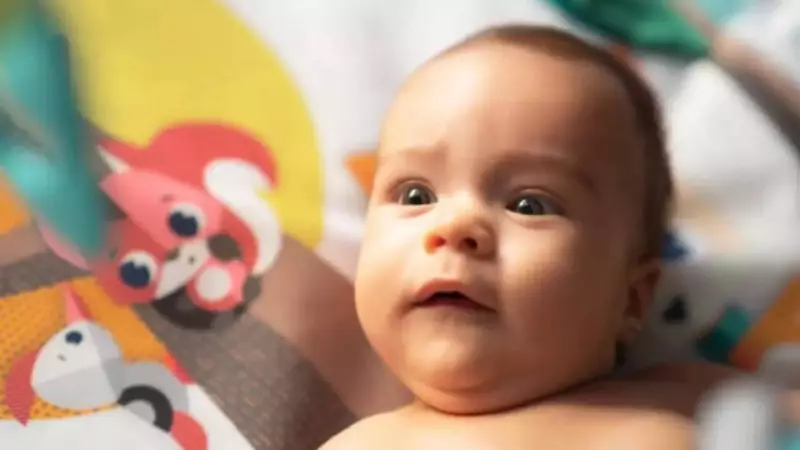
For many new parents in India, turning on a colourful cartoon seems like a harmless way to keep a baby engaged. However, child development experts warn that what appears entertaining can actually be overwhelming for a newborn's developing senses. The first few months of life are a critical period where the infant brain is learning to process fundamental stimuli like light, sound, and movement. Excessive exposure to the intense sensory input from cartoons can disrupt this delicate process, hindering a baby's ability to relax and sleep soundly.
The Sensory Overload from Bright Colours and Fast Motion
Newborns enter the world with vision that is still learning to focus and interpret information. Cartoons are designed with visually arresting elements: flashing images, rapidly changing scenes, and exceptionally bright colours. For a mature brain, this is engaging, but for a newborn, it can be a strain. Their visual system has to work overtime to process this barrage of information, which can lead to sensory overload rather than enjoyment.
Furthermore, the pacing of cartoons is often disorienting for an infant. Characters may jump, fly, or switch scenarios in seconds. A newborn's nervous system is not wired for such speed; they naturally prefer and learn best from slow, deliberate movements like a parent's facial expressions or gentle hand gestures. The rapid-fire motion on screen can overwhelm their developing brain, making it difficult for them to settle down and feel calm.

The Impact of Sound and Missed Bonding Opportunities
Audio in cartoons frequently features loud music, sudden sound effects, and high-pitched character voices. Newborns possess a heightened sensitivity to abrupt noises, which can trigger a startle reflex and induce stress. Even if a baby seems quiet while watching, these sounds may be preventing a deeper state of relaxation. Pediatricians emphasize that quiet, soothing environments are far more comforting for this age group.
Perhaps the most significant cost of screen time is the interference with the crucial parent-child bonding process. The early months are foundational for building security and emotional connection through eye contact, touch, and the sound of a caregiver's voice. When a screen is on, even in the background, it diverts the parent's attention. Human interaction is the ultimate teacher for a newborn, and excessive cartoon viewing can rob families of precious moments that foster a deep, secure attachment.
Consequences for Sleep Patterns and Overall Calm
The stimulation from cartoons doesn't simply stop when the screen turns off. The lingering effects of lights, sounds, and motion can make it exceptionally hard for an infant to transition from wakefulness to sleep. Overstimulation is a common culprit behind irritability and shorter sleep durations in babies. For healthy sleep cycles, experts recommend a calming pre-bedtime routine set in a dim, peaceful environment, free from digital distractions.
In conclusion, while cartoons are a staple of modern childhood, they are not suitable for newborns. Their developing brains and sensory systems require gentle, real-world interactions to grow healthily. Reducing or eliminating cartoon exposure in the first few months helps protect an infant's sleep, supports crucial bonding, and prevents unnecessary sensory overload. Opting for quiet play, gentle talking, and cuddles provides the optimal stimulation for a newborn's well-being.






