

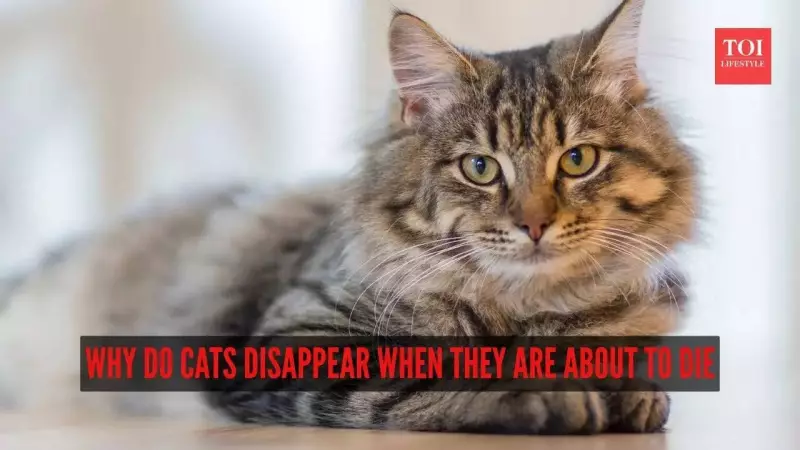
For countless pet owners across India, the bond with a feline companion is a source of immense joy. Yet, many face a deeply distressing and confusing experience: when a cat becomes very ill or is nearing the end of its life, it often vanishes or seeks out secluded hiding spots. This behaviour can feel like a personal rejection, leaving owners heartbroken and searching for answers. The truth, however, lies not in emotion but in deep-rooted biology and primal instinct.
The Primal Instinct to Hide: A Survival Mechanism
Despite generations of domestication and the safety of our homes, cats retain the powerful instincts of their wild ancestors. In the natural world, a sick, weak, or dying animal is an easy target for predators. Displaying vulnerability can be a death sentence. Therefore, the innate drive for self-preservation compels cats to find a quiet, dark, and secure place when they feel their strength failing.
This behaviour is a defensive strategy, not an act of emotional detachment from their beloved human family. A hiding cat is following an ancient script written by evolution to protect itself during its most vulnerable moments. You might find them tucked away under furniture, deep inside a closet, in a seldom-used room, or, if they have outdoor access, in a sheltered nook outside. The core objective is to remove themselves from any perceived threat and to conserve their dwindling energy reserves.

This tendency is not exclusive to domestic cats. Numerous wild animal species instinctively isolate themselves when ill or dying, driven by the same fundamental need to seek safety through concealment.
Managing Pain and Conserving Vital Energy
Beyond instinct, the physical realities of serious illness play a crucial role in this withdrawal. As a cat's condition declines, it may experience significant pain, nausea, profound weakness, and difficulty moving. Much like a person who wishes to rest undisturbed when unwell, a cat seeks solitude to cope with these overwhelming sensations.
Withdrawal allows a feline to:
- Minimise movement to preserve every bit of energy.
- Reduce stress by avoiding loud noises, household activity, or even well-intentioned petting that may cause discomfort.
- Manage pain privately in a calm environment without disturbances.
Cats are exceptionally sensitive creatures. When their body is failing, even normal interactions and affectionate attention can become overwhelming. A quiet, hidden spot offers them a sense of control and peace, providing the greatest possible comfort during their illness.
Do Cats Understand They Are Dying?
A common belief is that cats run away because they possess an awareness of impending death. However, experts clarify that cats do not hide because they "know" they will die. The process is more straightforward: when they do not feel well, they instinctively seek a secure place. The sicker they become, the more secluded and safe the location they require.
Critically, sick cats rarely wander far from their familiar territory. They tend to find the nearest calm spot where they can remain hidden. If their illness leaves them too weak to move or return home, they may remain in that secluded spot. It is vital for pet owners to recognise signs of serious decline, such as frequent hiding, loss of appetite, and extreme lethargy. Consulting a veterinarian is crucial to diagnose the issue, manage pain, and ensure the cat's comfort.
While respecting their need for privacy, gentle reassurance and necessary veterinary care are the greatest acts of love an owner can provide during this challenging time. It is also important to note that not every cat follows this pattern; some may become more clingy and affectionate, depending on their individual personality and the nature of their illness.
In conclusion, a cat's disappearance or hiding as death approaches is a complex behaviour stemming from ancestral survival instincts combined with the physical need to cope with discomfort and conserve energy. This final act is not a reflection of their bond with you, but rather a poignant echo of their wild heritage and a search for solace in their final days.






