If a blood test reveals low iron or haemoglobin, the immediate reaction for many is to reach for a bottle of supplements. However, medical experts are issuing a crucial warning: low iron levels do not automatically mean your body requires more iron. In fact, they could be a red flag for a different, underlying health problem that needs to be addressed first.
Why Low Iron Isn't Always About Intake
According to Dr. Manisha Arora, Director of Internal Medicine at CK Birla Hospital in Delhi, a deficiency can stem from various causes beyond simple dietary lack. "Low iron can occur due to poor absorption, chronic infections, internal bleeding, heavy menstrual cycles, pregnancy, celiac disease, inflammatory bowel disease, or even excessive tea and coffee intake, which blocks iron absorption," she explains. This highlights that the body might be losing iron or failing to use it properly, rather than not getting enough.
Consequently, physicians stress the critical need for precise diagnostic testing before any supplementation begins. Simply adding more iron without identifying the root cause can mask symptoms and delay a correct diagnosis, allowing the real issue to progress unchecked.
The Hidden Risks of Self-Prescribing Iron
Taking iron supplements without proper medical guidance can lead to unpleasant and even dangerous side effects. Dr. Manjusha Agarwal, Senior Consultant in Internal Medicine at Gleneagles Hospital in Parel, Mumbai, points out the risks: "Taking supplements without proper medical guidance can lead to constipation, stomach irritation, or dangerously high iron levels, which can harm the liver and heart."
Dr. Arora echoes this concern, noting that "In some cases, excess iron intake may be harmful, leading to stomach irritation, constipation, and iron overload conditions like haemochromatosis." This condition causes the body to store excess iron in organs, potentially causing serious damage over time.
Essential Tests Before Treatment
So, what should you do if you suspect an iron deficiency? The first step is a comprehensive panel of tests. Dr. Agarwal advises, "The first step is always to have your iron levels checked, including hemoglobin, ferritin, transferrin saturation, and total iron-binding capacity. These tests help us understand whether the body truly lacks iron or if the iron present is not being used correctly." Sometimes, doctors like Dr. Arora may also recommend stool tests to check for internal bleeding.
Based on these results, a tailored treatment plan can be developed. "Treatment depends on the root cause—sometimes improving gut health, treating an infection, managing menstrual disorders, or dietary changes work better than supplements," mentions Dr. Arora.
Food First: The Dietary Solution
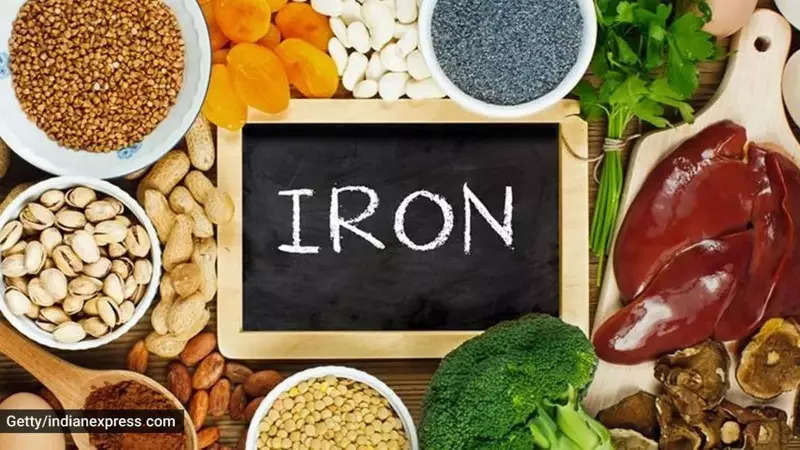
For many individuals with a mild deficiency, dietary adjustments can be highly effective. Dr. Agarwal recommends: "For many people, adding iron-rich foods such as spinach, beetroot, lentils, beans, nuts, whole grains, eggs, and lean meats can gradually restore healthy levels." A key tip for boosting absorption is to combine these iron sources with vitamin C-rich foods like lemon, oranges, or tomatoes.
Dr. Arora adds an important dietary caution: tea and coffee should be avoided close to meals as they can inhibit iron absorption. The overarching advice from both experts is clear: supplements should only be started after proper medical advice, as self-medication often does more harm than good.
This expert guidance underscores a shift from a one-size-fits-all supplement approach to a more nuanced, diagnosis-led strategy for managing iron levels, prioritising long-term health and accurate treatment.