

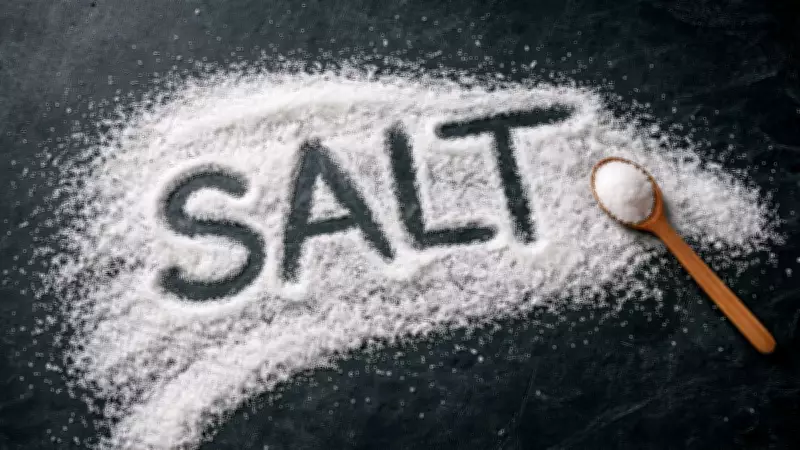
The Hidden Challenge of Reducing Salt in Our Diets
In India, the struggle to cut down on salt intake is a significant public health concern that affects millions. Despite widespread awareness of the dangers associated with high sodium consumption, many individuals find it exceptionally difficult to make lasting changes to their dietary habits. This article explores the underlying reasons behind this challenge and provides actionable sodium diet tips specifically designed for the Indian context.
Why Is Reducing Salt So Difficult?
The difficulty in reducing salt consumption stems from a combination of cultural, biological, and practical factors. Salt has been an integral part of Indian cuisine for centuries, deeply embedded in traditional cooking methods and regional food preferences. From the tangy pickles of the North to the savory curries of the South, sodium plays a crucial role in defining flavor profiles that are cherished across the country.
Biological factors also contribute to the challenge. Our taste buds become accustomed to certain levels of saltiness, making lower-sodium foods initially seem bland or unappetizing. This sensory adaptation requires time and persistence to overcome, often discouraging people from sticking to reduced-salt diets.

Additionally, processed and packaged foods frequently contain hidden sodium that consumers may not readily recognize. Many popular snacks, ready-to-eat meals, and even seemingly healthy options like bread and cereals can be significant sources of excess salt, making it challenging for individuals to accurately monitor their daily intake.
Practical Sodium Diet Tips for India
To address these challenges, here are specific strategies tailored for Indian households:
- Gradual Reduction Approach: Instead of eliminating salt abruptly, gradually decrease the amount used in cooking over several weeks. This allows taste buds to adjust without causing dissatisfaction with meals.
- Herb and Spice Enhancement: Utilize India's rich variety of herbs and spices—such as turmeric, cumin, coriander, and fresh cilantro—to boost flavor without relying on salt. These alternatives not only enhance taste but also offer additional health benefits.
- Mindful Consumption of Processed Foods: Carefully read nutrition labels on packaged items, paying close attention to sodium content. Opt for low-sodium versions when available, and limit consumption of high-salt products like papads, pickles, and certain chutneys.
- Home Cooking Emphasis: Prepare more meals at home where you can control the amount of salt added. Traditional Indian cooking methods can be adapted to use less sodium while preserving authentic flavors.
- Increased Potassium Intake: Incorporate potassium-rich foods like bananas, spinach, sweet potatoes, and coconut water into your diet. Potassium helps counteract some of sodium's negative effects on blood pressure.
The Broader Impact on Public Health
Reducing salt intake has far-reaching implications for India's public health landscape. High sodium consumption is closely linked to hypertension, which affects approximately one in three Indian adults according to recent studies. This condition significantly increases the risk of heart disease, stroke, and kidney problems—major contributors to the country's healthcare burden.
Public awareness campaigns and government initiatives play a crucial role in addressing this issue. Educational programs that emphasize the importance of moderate salt consumption, combined with clearer food labeling regulations, can empower consumers to make healthier choices. Community-based interventions, particularly in urban areas where processed food consumption is higher, may yield substantial benefits.
Individual efforts, when combined with systemic changes, create a powerful approach to tackling excessive salt consumption. By understanding why reducing salt is challenging and implementing practical strategies, Indians can work toward better health outcomes while still enjoying the diverse and flavorful cuisine that defines the nation's culinary heritage.






