Kerala's Political Landscape Heats Up as CPI(M) Faces Internal Dissent
With the Kerala Assembly Elections 2026 on the horizon, the political atmosphere in the state is becoming increasingly charged. A significant development has emerged from within the ranks of the Communist Party of India (Marxist), where long-simmering discontent is now boiling over into public view.
Allegations Rock CPI(M) Leadership
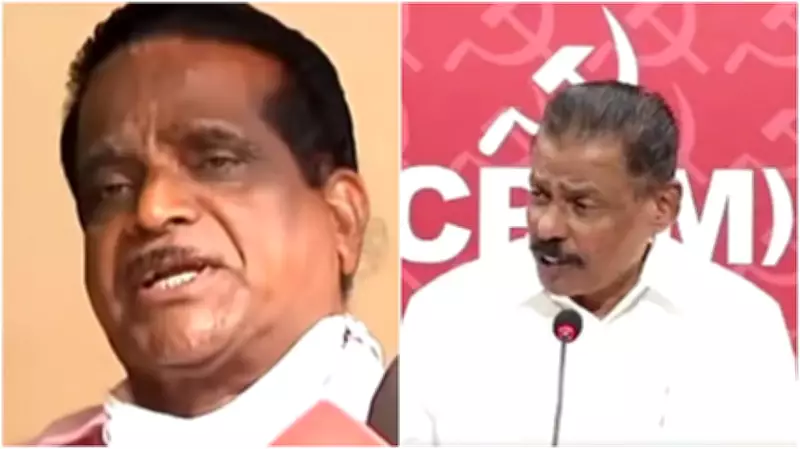
In a dramatic turn of events, senior CPI(M) leader T K Govindan has launched a series of serious allegations against the party's secretary. This unprecedented move has sent shockwaves through Kerala's political circles, particularly because Govindan represents a traditional CPI(M) stronghold.
What makes this situation particularly explosive is Govindan's direct criticism of Chief Minister Pinarayi Vijayan's support for the party secretary. The Chief Minister's perceived backing of the embattled secretary has become a focal point of the internal conflict, raising questions about unity within the ruling party.

Historical Strongholds Show Cracks
The CPI(M), which has maintained formidable citadels across Kerala for decades, is witnessing unusual public displays of resentment from within its own ranks. These developments are particularly significant because:
- Internal dissent is surfacing in traditionally loyal CPI(M) bastions
- The timing coincides with crucial pre-election positioning
- Public allegations between senior leaders are rare in the party's history
- The conflict involves both administrative and party leadership
Electoral Implications for 2026
Political analysts are closely watching how this internal strife might influence voter sentiment in the upcoming Kerala Assembly Elections 2026. The public airing of grievances within the CPI(M) could potentially:
- Alter traditional voting patterns in CPI(M) strongholds
- Provide opposition parties with campaign ammunition
- Impact the party's ability to present a united front
- Influence undecided voters seeking political stability
The situation remains fluid as party leaders navigate this internal crisis. How the CPI(M) leadership addresses these allegations and manages the resulting factionalism will be crucial in determining whether this internal resentment translates into electoral consequences when Kerala voters head to the polls in 2026.