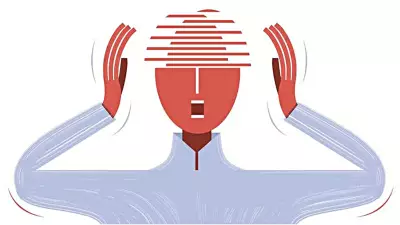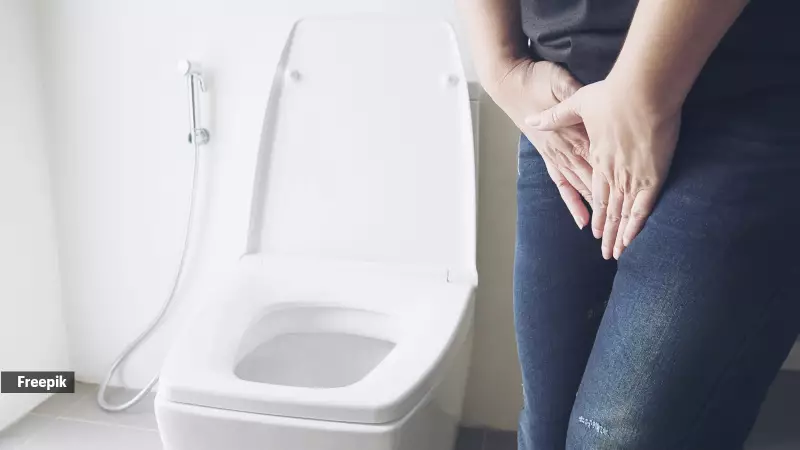
Have you ever felt a powerful, almost immediate urge to use the bathroom right before a crucial job interview, during a tense argument, or in a moment of high anxiety? If so, you are far from alone. This common yet seldom-discussed bodily response to stress is not just in your mind—it's a real physiological reaction rooted in science, explain leading Indian urologists.
The Brain-Bladder Connection: It's Not Your Imagination
Dr. Sandeep Bafna, a urologist at Apollo Hospitals on Greams Road in Chennai, recently addressed this phenomenon in a social media post. He emphasized that the link between emotional stress and a sudden urinary urge is very real. "Sudden or urgent need to pee while you are stressed or anxious, it's not in your head. It's real," stated Dr. Bafna in his post dated December 17, 2025.
He explains that a strong connection exists between your brain and your bladder. When you experience stress or anxiety, your body undergoes hormonal shifts that can directly influence bladder behavior, amplifying the sensation of needing to urinate. Recognizing this mind-body link is the first step toward managing it effectively, moving from a feeling of alarm to one of control.
How Stress Hormones Trigger the Urge
Dr. Sreeharsha Harinatha, Director and Lead Consultant in Urology, Uro-Oncology, Robotic Surgery and Renal Transplant at KIMS Hospitals in Bengaluru, detailed the mechanism for indianexpress.com. "When a person is stressed or anxious, the body releases stress hormones like adrenaline and cortisol," he said.
These hormones activate the body's primal 'fight-or-flight' response. This state of high alert increases nerve sensitivity and muscle activity throughout the body, and the bladder is no exception. The bladder muscle may begin to contract more readily, even when it isn't full, creating that familiar sudden urgency.
Some individuals are more prone to this response due to a naturally sensitive bladder, heightened nervous system reactivity, or underlying anxiety disorders. "People who already have a sensitive bladder or poor stress regulation tend to experience stronger and more frequent urinary urgency during emotional stress," notes Dr. Harinatha.
Differentiating Stress Urgency from Medical Conditions
It is crucial to distinguish between stress-induced urgency and symptoms of medical conditions like a Urinary Tract Infection (UTI) or Overactive Bladder (OAB).
Stress-related urgency is typically situational. It flares up during periods of anxiety or emotional tension and usually subsides once the stressor passes or you calm down. It is generally not accompanied by pain, burning, fever, or changes in urine appearance.
In contrast, UTIs often present with a burning sensation during urination, foul-smelling or cloudy urine, lower abdominal pain, and sometimes fever. Overactive Bladder involves persistent urgency and frequent trips to the bathroom throughout the day and night, often with occasional leakage, even in the absence of any obvious stressor.
Dr. Harinatha advises, "If urinary urgency is frequent, occurs during sleep, or is accompanied by pain or discomfort, a medical evaluation is important to rule out underlying conditions."
Managing Stress-Related Bladder Urgency
For those who frequently experience this issue, experts recommend a combination of stress management and practical bladder training techniques.
Managing stress is central to reducing symptoms. Dr. Harinatha suggests regular physical activity, deep breathing exercises, yoga, and mindfulness practices to calm the nervous system and reduce bladder overactivity. Additionally, limiting known bladder irritants like caffeine, alcohol, and spicy foods can make a significant difference.
"Bladder training is another effective strategy," mentions Dr. Harinatha. This involves consciously and gradually increasing the time between bathroom visits to help retrain the bladder to hold urine for longer periods. Pelvic floor exercises (Kegels) are also beneficial as they strengthen the muscles that control urination.
Dr. Bafna's initial advice aligns perfectly: "The first important thing is to stay calm, drink sips of water, do meditation, yoga and deep breathing exercises can help you reset your bladder cycle... So next time it happens to you, it's not imagination, it's science." Maintaining regular sleep patterns, staying adequately hydrated, and seeking professional support for persistent anxiety can lead to significant long-term improvement.
Disclaimer: This article is based on information from public domains and expert inputs. It is essential to consult your healthcare practitioner before starting any new health routine.