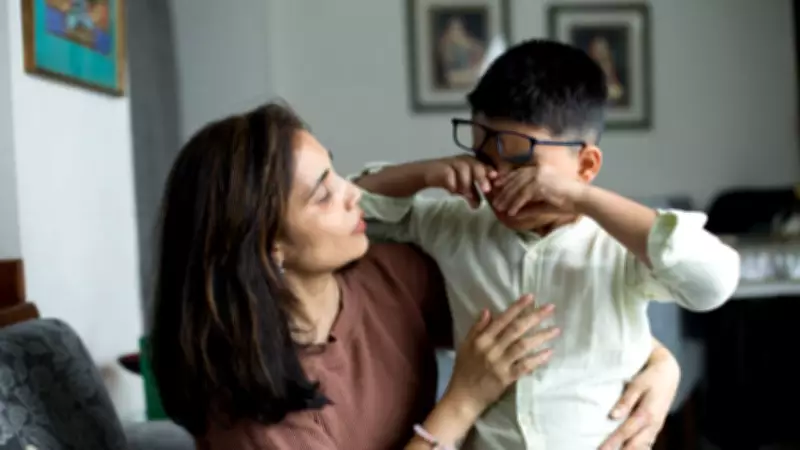
Students don't usually make a conscious decision to stop communicating with their parents. It happens gradually, almost imperceptibly. A question is asked, an answer begins to form in their mind, but then an internal voice whispers: never mind. It feels safer, simpler, to keep responses brief. Saying "okay" requires less energy than explaining thoughts that might be met with unsolicited advice, concern, or even disappointment.
The Constant Feeling of Being Watched
For most students, the school day is filled with constant evaluation. Teachers assess their answers, monitor their behavior, track their performance, and measure their progress. Even on ordinary days, there's an underlying sensation that someone is always keeping score. When home begins to replicate this atmosphere of judgment, students don't argue or protest. They simply retreat into silence, speaking less and less.
Recognizing the Subtle Signs of Pressure
What parents frequently overlook is how ordinary pressure manifests from a student's perspective. It doesn't always appear as overt stress or anxiety. Often, it surfaces as disengagement, procrastination, mindless scrolling through social media, or repeatedly saying "later" when what they truly mean is "I don't know how to begin." These behaviors are not indicators of indifference. They are clear signals of mental exhaustion and cognitive overload.

Navigating Contradictory Expectations
Students today grapple with conflicting societal messages. They are encouraged to enjoy their youth while simultaneously being reminded to plan meticulously for the future. They are asked to be confident yet are frequently corrected. They are expected to know their career aspirations while being told they're too young to make important decisions. This internal conflict transforms confusion into something to conceal rather than discuss openly.
The Quiet Invasion of Comparison
Comparison doesn't always arrive through direct criticism. Sometimes it slips in through casual stories about other children's achievements, through well-intentioned suggestions framed as motivation, or through subtle references to peers who appear more successful. Students interpret these comments differently than adults might intend. What sounds harmless to parents can feel like another form of measurement and evaluation.
The Unspoken Fear of Disappointment
There exists another layer that students rarely articulate: the profound fear of letting their parents down. This isn't necessarily because parents apply overt pressure or make threats. Rather, parental approval matters deeply to young people. Consequently, when academic or personal challenges arise, many students choose to internalize their struggles. They prefer silent suffering over admitting uncertainty or perceived failure.
What Students Truly Need from Conversations
What students wish parents understood is that they don't always require immediate solutions or quick fixes. What they desperately need is time—time to speak slowly, time to untangle their emotions, time to process their experiences. Conversations often end prematurely when students feel steered toward predetermined conclusions instead of being genuinely heard.
The Power of Quiet, Unhurried Moments
The interactions students remember aren't dramatic confrontations or intense lectures. They are the quiet moments: a parent listening without interrupting or correcting, a response that doesn't rush to fix the problem, a comfortable pause that communicates, I'm here, take your time. These small gestures build bridges of trust.
Creating Space for Uncertainty
Students aren't asking parents to disengage completely. They are requesting room—room to be uncertain, room to feel tired, room to acknowledge that they haven't figured everything out yet. For many young people, simply knowing this emotional space exists fundamentally changes how much they're willing to share.
Sometimes, that space makes all the difference between prolonged silence and developing genuine trust. It transforms the parent-child dynamic from one of evaluation to one of understanding, creating an environment where students feel safe to express their authentic selves without fear of judgment or immediate correction.