

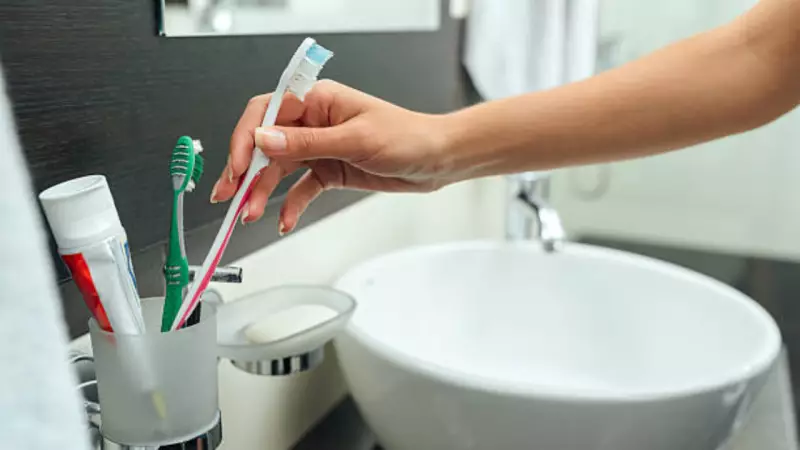
For most Indian households, the toothbrush finds its home in a cup or holder right next to the bathroom sink. It seems like the most logical and convenient spot. However, dental hygiene experts are sounding an alarm: the bathroom is one of the worst possible places to keep your toothbrush if you are serious about maintaining good health and keeping germs away from your mouth.
The Hidden Dangers of Your Bathroom
Why is this common practice so problematic? Bathrooms are essentially breeding grounds for germs and bacteria. Every single flush of the toilet, even with the lid closed, releases a fine mist of microscopic droplets known as a 'toilet plume'. These droplets, which can contain fecal bacteria and other pathogens, travel through the air and settle on nearby surfaces, including your uncovered toothbrush.
Compounding this issue is the typical bathroom environment. The warm, humid air created by showers and sinks provides the perfect, moist conditions for bacteria, mold, and yeast to thrive and multiply rapidly. This combination of factors turns your seemingly clean bathroom counter into a surprisingly unhygienic storage location for an item that goes directly into your mouth.

Expert-Recommended Storage Solutions for a Cleaner Brush
So, where should you keep your toothbrush to ensure it stays as clean as possible? Dental professionals suggest surprisingly simple alternatives that can significantly improve your oral care routine.
1. Choose a Dry, Well-Ventilated Spot Outside the Bathroom
The ideal solution is to move your toothbrush out of the bathroom entirely. Consider keeping it in your bedroom, on a dressing table, or inside a hallway storage cabinet. A dry environment with good air circulation helps bristles dry completely, which inhibits the growth of bacteria and mold.
2. Invest in a Breathable Toothbrush Holder
If you must keep it in the bathroom, use an open, breathable holder that allows air to flow freely and keeps the brush standing upright. This position lets water drip away from the bristles. Avoid airtight containers or closed travel cases for daily storage, as they trap moisture and create a bacterial paradise.
3. Practice Smart Covering and Separation
If you need to cover your brush for travel or in a shared space like a hostel, use a ventilated travel cap. Crucially, only put the cap on after the bristles are 100% dry. Covering a wet brush is akin to creating a cozy incubator for microbes. Also, ensure family members' brushes do not touch each other to prevent cross-contamination—think of it as social distancing for toothbrushes.
Common Toothbrush Mistakes You Must Avoid
To safeguard your health, steer clear of these frequent storage errors:
- Never store your brush inside the shower: The constant warmth and moisture make it a bacterial metropolis.
- Avoid laying it flat on a surface: This prevents proper drainage and allows water to pool, encouraging microbial growth.
- Keep it far from the toilet: Maintain a minimum distance of six feet if the brush must remain in the bathroom.
- Replace it regularly: Do not use any toothbrush for more than three months. Worn-out bristles are less effective at cleaning and can harbor more germs.
Bonus Hygiene Tips: Rinse your toothbrush thoroughly with tap water after each use. There's no need for daily sterilization. If you or a family member falls ill, replace the toothbrush once you have recovered. For an extra cleaning boost, you can occasionally soak the bristles in warm salt water for a few minutes.
Your toothbrush is your primary tool for oral care. Taking proper care of its storage is a simple yet critical step for overall health. Storing it in a dry, airy place outside the bathroom is the healthiest choice to keep it cleaner, safer, and truly free from unwanted germs. After all, nobody wants invisible toilet particles anywhere near their teeth.






