

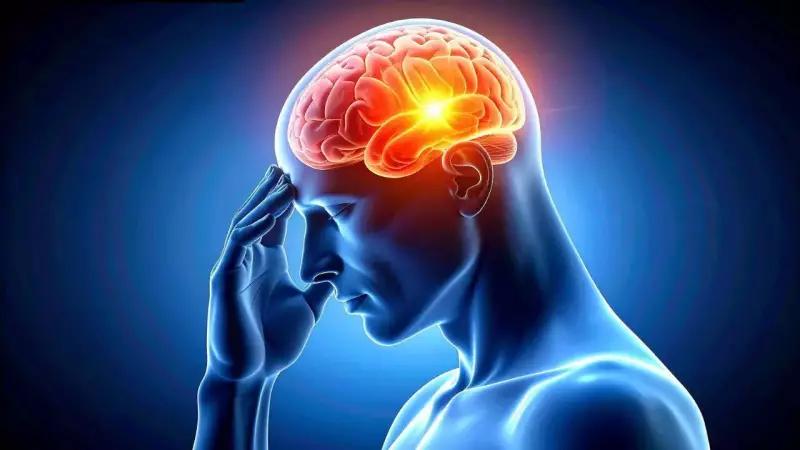
Winter in India brings a welcome respite from the heat, marked by festive celebrations, cozy mornings, and a drop in temperature. However, this seasonal shift triggers significant physiological changes within the human body. While some effects are subtle, others pose a serious danger, notably a marked increase in the risk of stroke. Understanding the impact of winter on brain blood flow is crucial for taking protective measures and ensuring a safe season.
How Cold Weather Strains Your Circulatory System
When exposed to low temperatures, the body undergoes a natural process called vasoconstriction, where blood vessels narrow to conserve heat. While this mechanism is essential for maintaining core body temperature, it forces the heart to work harder to pump blood through the constricted pathways. This extra effort leads to a rise in blood pressure. Given that hypertension is a primary risk factor for both ischemic strokes (caused by blocked arteries) and haemorrhagic strokes (caused by ruptured blood vessels), this winter-induced spike is a major concern.
Furthermore, cold conditions can cause blood to become thicker. This increased viscosity slows down overall circulation, particularly the critical flow of blood to the brain. Thicker blood also elevates the potential for clot formation, which can further impede oxygen delivery to brain tissues. For individuals with existing cardiovascular vulnerabilities, this combination of reduced perfusion and heightened clotting risk can dangerously elevate their chances of suffering a stroke.

Why Mornings and Lifestyle Changes Amplify the Danger
Statistics reveal that a significant number of strokes occur during the early morning hours. This timing coincides with the lowest temperatures of the day, which can cause sudden and severe stress on blood vessels and cerebral arteries. Beyond the direct physiological impacts, winter lifestyle patterns contribute substantially to the heightened risk.
People tend to be less physically active, spend more time indoors, and may experience changes in diet leading to weight gain. Additionally, the colder months see a surge in respiratory infections like influenza. These illnesses can trigger inflammation in the body, which in turn increases the risk of blood clots. For those already managing conditions such as hypertension, diabetes, and high cholesterol, the added winter strain can push an already stressed circulatory system to its limit. Cold weather can also trigger cardiac rhythm disturbances like atrial fibrillation, which can dislodge clots that travel to the brain.
Essential Steps for Prevention and Safety
While the body's response to cold is inevitable, proactive strategies can significantly mitigate stroke risk. Experts, including Dr. Gaurav Batra, Neurosurgeon (Brain & Spine) at Max Super Speciality Hospital, Vaishali, recommend maintaining regular physical activity, adhering to a heart-healthy diet, and diligently managing chronic conditions with prescribed medications. It is equally important to stay warm when outdoors, remain well-hydrated, and get vaccinated against seasonal illnesses like the flu.
Public awareness of stroke symptoms is vital. Remember the FAST rule for early identification:
- Face drooping on one side.
- Arm weakness or numbness.
- Speech difficulty or slurring.
- Time to rush to the hospital immediately.
Awareness and prevention are the cornerstones of safety, especially for high-risk individuals. By comprehending how winter affects brain circulation, one can take informed, precautionary steps to ensure that the colder season remains a time of health and comfort.






