

Women as the Unseen Backbone in Cancer Care and Genetics
Cancer care is frequently viewed through the perspectives of doctors and medical treatments, but in reality, women often form the unseen backbone that holds families together throughout this challenging journey. To explore this vital role, we engaged in an insightful discussion with Dr Aakriti Aggarwal, Group Head of Medical Genetics and Genetic Counselling at Marengo Asia Hospitals in Gurgaon.
The Role of Women in Cancer Genetics and Family Health
Dr Aggarwal emphasized how women fundamentally stand as strong pillars in cancer care, particularly in the realm of genetics. "As a cancer genetic counsellor, I encounter numerous women who arrive at the clinic bearing not only their personal concerns but also the comprehensive medical histories of their entire families," she explained. "They recall which aunt was diagnosed with breast cancer, which grandmother had ovarian cancer, and which family members received diagnoses at a young age." These intricate details are critically important in cancer genetics, as they assist healthcare professionals in identifying families that may carry inherited cancer risks.
Advocacy and Prevention Driven by Women
Dr Aggarwal continued, highlighting that women rarely approach genetic counseling with only themselves in mind. "What stands out remarkably is that women seldom come thinking solely about their own health. Their initial questions frequently revolve around their children, sisters, or other relatives who might also be at risk," she noted. In these moments, women transform into powerful advocates for prevention, aiding families in comprehending the significance of genetic testing, early screening, and risk-reducing strategies. This proactive approach underscores their pivotal role in safeguarding family health beyond individual concerns.

Beyond the Clinic: Women as Caregivers and Coordinators
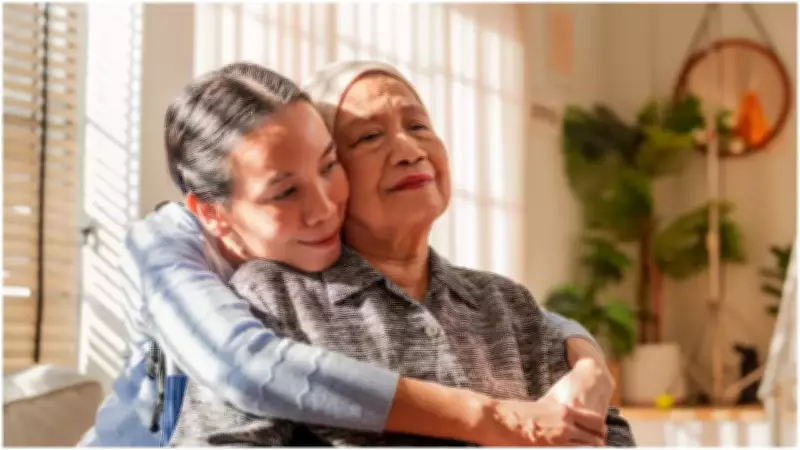
Furthermore, Dr Aggarwal shed light on how women's roles as caregivers extend far beyond what is immediately visible. "Beyond the clinical setting, women are very often the caregivers who quietly and efficiently coordinate care during cancer treatment," she stated. "I have witnessed daughters managing medical appointments for their parents, wives providing unwavering support to partners through therapy, and even women undergoing treatment themselves who persistently prioritize worrying about everyone else first." This selfless dedication highlights the multifaceted responsibilities women undertake in cancer care.
Recognizing Women's Comprehensive Contributions
In conclusion, Dr Aggarwal emphasized the importance of acknowledging women's extensive contributions. "This Women's Day, it is crucial to recognize that women are not merely patients in the cancer journey. They are also caregivers, decision-makers, and often the essential bridge between families and life-saving advances in cancer genetics and early detection," she affirmed. Their roles encompass emotional support, logistical coordination, and advocacy, making them indispensable in the fight against cancer. By understanding and valuing these contributions, we can better support women and enhance overall cancer care outcomes for families worldwide.






