

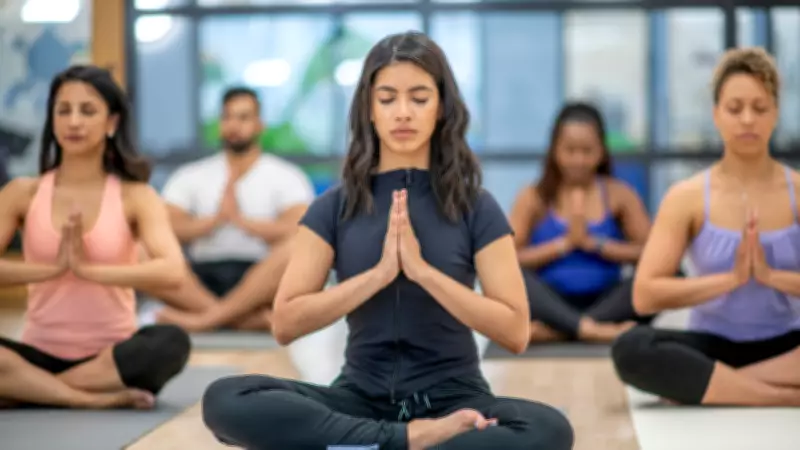
15-Minute Yoga Reset: 5 Poses to Activate Your Parasympathetic Nervous System
In today's fast-paced world, stress has evolved from an occasional visitor to a constant background noise in our daily lives. Deadlines, digital overload, health concerns, and emotional pressures keep our nervous systems in a perpetual state of alert. While short bursts of stress can enhance performance, chronic stress gradually erodes sleep quality, immunity, digestion, and emotional stability. If you have just 15 minutes, you possess enough time to transform your biology from a state of survival to one of celebration.
The Yogic Philosophy Behind Stress
Yogic philosophy views breath as the vital bridge between the body and mind. Stress arises when harmony between these elements is disrupted, described in ancient texts as fluctuations of the mind, or chitta vritti. When the mind is constantly pulled between past regrets and future anxieties, breathing becomes shallow and irregular, leading to accumulated bodily tension.
Breath serves as a connection between the conscious and subconscious mind. When breathing slows and deepens, the nervous system shifts from a "fight-or-flight" state to a "rest-and-restore" state. Gentle postures combined with mindful breathing help release stored muscular tension and calm mental agitation, effectively restoring inner balance.

The Science of Stress: What Happens Inside Your Body?
From a medical perspective, stress represents the activation of the Sympathetic Nervous System, commonly known as the "Fight-or-Flight" response.
- The Trigger: When your brain perceives a threat, such as a deadline, the hypothalamus triggers adrenal glands to release adrenaline and cortisol.
- The Physical Impact: Adrenaline increases heart rate and elevates blood pressure. Cortisol, while beneficial in short bursts, becomes harmful when chronically elevated, leading to inflammation, high blood sugar, and hypertension.
- The Mental Impact: Chronic high cortisol levels can "hijack" the prefrontal cortex, responsible for logical thinking, leaving the amygdala, the fear center, in control. This results in anxiety, irritability, reactivity, and brain fog.
To counteract this, we need to switch from sympathetic (stress) mode to parasympathetic (rest and digest) mode. Here is your 15-minute reset button through five transformative yoga poses.
5 Yoga Poses to Reset Your Nervous System
Balasana (Child's Pose)
Kneel and sit on your heels, then fold forward until your forehead touches the ground. Extend your arms forward or keep them by your sides. This pose stretches the lower back and sends a calming signal to your brain that you are safe. It serves as an ultimate ego-dissolver and a comforting embrace with the earth.
Bitilasana-Marjarasana (Cat-Cow Pose)
Position yourself on all fours. Inhale as you arch your back and look upward (Cow), then exhale as you round your spine like a mountain (Cat). This sequence lubricates the spine and synchronizes breath with movement, effectively clearing "traffic jams" in your nervous system.
Uttanasana (Forward Fold)
Stand tall, then slowly fold forward from your hips while keeping your back straight. Allow your head and arms to dangle downward. This inversion reverses blood flow, delivering fresh oxygen to your brain and literally turning your perspective upside down, making significant problems feel more manageable.
Viparita Karani Mudra (Legs-Up-the-Wall Pose)
Lie on your back and place your legs vertically against a wall, keeping your hips close to the base. This pose reverses blood flow to relieve tired legs, reduce swelling, and calm the nervous system. It instantly lowers blood pressure and promotes deep relaxation.
Shavasana/Anandasana (Corpse Pose)
Lie flat on your back with palms facing upward. Close your eyes and simply breathe. This is where the magic happens, allowing your body to "download" the benefits of previous movements. It helps recharge both mental and physical energy.

The Transformative Power of Regular Practice
Yoga works by simultaneously influencing breath, muscles, hormones, and the nervous system. In just 15 minutes, these simple practices can interrupt the stress cycle and cultivate clarity and steadiness. When practiced regularly, yoga not only reduces stress but also builds resilience, enabling balanced responses to life's challenges rather than reactive ones.





