

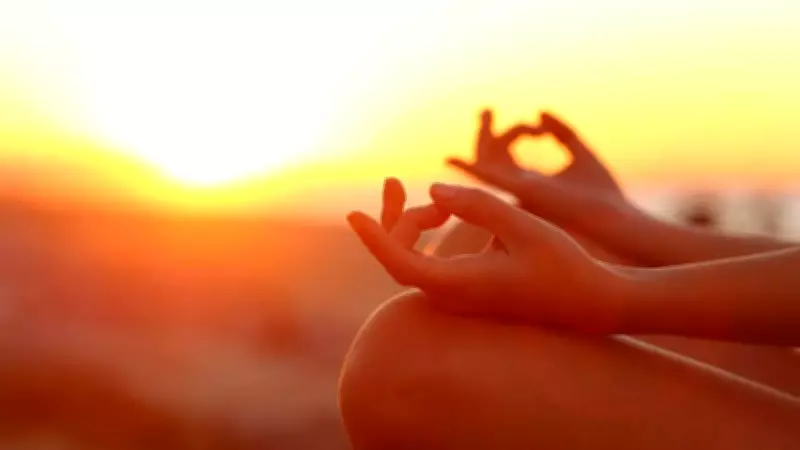
5 Yoga Techniques to Destress and Relax After a Long Day
After a really long and exhausting day, when you finally collapse into bed, how do you truly feel? Are you genuinely relaxed, or do you feel completely drained and overwhelmed? Many people resort to sleeping over their worries and stress as a quick, temporary fix. However, this approach fails to address the root causes and can lead to long-term health concerns. Incorporating yoga for relaxation offers a powerful and effective method to dissolve stress and fatigue, rejuvenating both body and mind after a demanding day.
It is crucial to prioritize relaxation because an overworked body and mind can only function in a perpetual state of survival mode. This constant strain often results in feelings of irritability, weakness, and decreased resilience. Before your body forces you to rest by succumbing to illness, take proactive control. Commit to consistent self-care practices that nurture your physical and mental well-being. Here are five essential yoga techniques designed to help you destress and achieve deep relaxation.
Shavasana: The Art of Conscious Rest
Contrary to popular belief, Shavasana is not merely lying down and dozing off. It is a deliberate, structured practice aimed at consciously relaxing the body and mind through sustained effort. To perform Shavasana, lie flat on your back with your arms extended comfortably by your sides and your legs spread slightly apart. Close your eyes gently and focus on breathing rhythmically in a subtle, slow manner for several minutes. This practice helps calm the nervous system and promotes a state of tranquility.

Rechaka: Pranayama for Energy Alignment
Rechaka, also known as Yogendra Pranayama 8, is a pranayama technique developed by The Yoga Institute. This breathing exercise refreshes the nerves and realigns scattered energy, fostering a sense of letting go of stressors. To practice Rechaka, sit in any meditative position with your eyes closed. Inhale slowly and continuously for three seconds, then retain your breath for six seconds. Next, exhale gradually and smoothly without any jerks for twelve seconds. Repeat this cycle for four to five rounds to enhance relaxation and mental clarity.
Reflection: Cultivating Awareness of Thoughts
One of the most critical aspects of relaxation is developing awareness of your thoughts and identifying the sources of your stress. Once you gain this insight, you can apply mindfulness to handle challenging situations more effectively. From morning until night, our days are filled with numerous actions and interactions. Make it a habit to sit with closed eyes at the end of each day, watching and reflecting on your experiences as if observing a movie. This practice, which typically takes 10 to 20 minutes, heightens self-awareness and promotes emotional balance.
Shatapawali: The Ancient Practice of Post-Meal Strolls
Shatapawali is an age-old Indian tradition involving a light stroll taken a few minutes after a meal. This simple practice allows you to enjoy fresh air and incorporate a brief walk into a hectic schedule. Whether at home or work, Shatapawali helps activate the brain and body, boosting creativity, concentration, and stress reduction. Even during work breaks, try sitting by a window while sipping your favorite beverage to momentarily escape your regular environment and recharge your energy levels.
Vairagya Bhava: Embracing Objectivity for Peace
The core principle of Vairagya Bhava is objectivity. Often, stress arises when we become overly attached to situations or outcomes. To maintain a relaxed state, practice detaching yourself and viewing circumstances objectively. Avoid accumulating a mountain of thoughts that create mental baggage. Throughout the day, strive to keep a calm mind, approaching every event with patience, grace, and mindfulness for yourself and others. Your body and mind require love, attention, and care to thrive in the long term. Pay attention to your needs before it is too late; a relaxed body and mind can transform your entire outlook on life.
Authored by: Dr. Hansaji Yogendra, The Yoga Institute






