The Evolving Understanding of Kaal Sarpa Dosha in Vedic Astrology
Kaal Sarpa Dosha represents one of the most discussed and frequently misunderstood planetary configurations within the ancient system of Vedic astrology. Traditionally viewed as an unfavorable celestial arrangement, this dosha has long been associated with challenges and obstacles across multiple life domains.
Traditional Interpretation and Characteristics
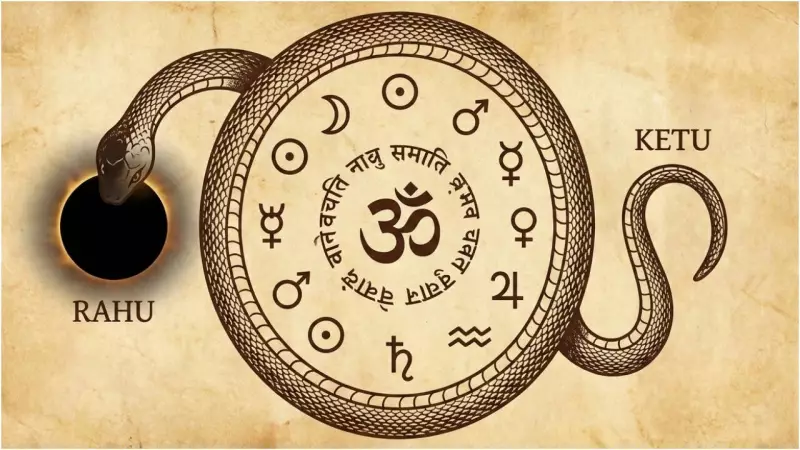
According to classical astrological principles, Kaal Sarpa Dosha manifests when all seven principal planets—Sun, Moon, Mars, Mercury, Jupiter, Venus, and Saturn—find themselves positioned between the lunar nodes Rahu and Ketu within an individual's natal chart. This specific planetary configuration has historically been correlated with various life difficulties including delays in achievements, persistent obstacles, and recurring challenges.
Widespread astrological belief connects this dosha with past-life karma and unresolved actions from previous existences. Many traditional interpretations characterize it as a form of celestial influence that can impact multiple aspects of life including:

- Career progression and professional advancement
- Marital prospects and relationship stability
- Financial security and material prosperity
- Mental peace and emotional well-being
Consequently, individuals identified with Kaal Sarpa Dosha in their birth charts often attribute life's challenges to this planetary influence and frequently seek astrological remedies at early stages to mitigate its perceived negative effects.
Modern Reinterpretations and Shifting Perspectives
In contrast to earlier views that emphasized misfortune, contemporary interpretations of Kaal Sarpa Dosha have evolved significantly. Modern astrological analysis suggests that the actual impact of this configuration depends on multiple nuanced factors including:
- The inherent strength of individual planets within the chart
- Specific planetary positions and their relationships
- Prevailing planetary periods (dashas) affecting the individual
- The overall balance and harmony of the complete astrological configuration
Recent astrological studies indicate that individuals with Kaal Sarpa Dosha frequently experience particularly challenging circumstances during their formative years, which are often followed by phases characterized by personal development, growth, and eventual equilibrium. This pattern has fostered a new interpretation of the dosha as a karmic blueprint designed to cultivate essential life qualities rather than merely serving as an omen of misfortune.
From Fear-Based to Growth-Oriented Approaches
The contemporary understanding of Kaal Sarpa Dosha emphasizes its potential role in developing self-regulation, personal advancement, and resilience. While traditional adherents continue to observe established practices like specific pujas, rituals, and astrological remedies, there is a burgeoning emphasis on complementary approaches including:
- Conscious lifestyle adjustments and daily routines
- Ethical behavior and moral conduct
- Spiritual exercises and mindfulness practices
- Psychological awareness and emotional intelligence
Astrological experts note that the emphasis is gradually shifting from interpretations rooted in fear and determinism toward perspectives centered on personal responsibility, conscious living, and karmic understanding. This represents a significant transformation within astrological discourse—from merely forecasting adversity to fostering development through comprehensive understanding of planetary influences.
Integration with Contemporary Worldviews
As Vedic astrology continues to integrate with modern perspectives, Kaal Sarpa Dosha is increasingly perceived not solely as a detrimental force, but as a symbolic prompt regarding karmic lessons that necessitate both patience and mindfulness. This evolving perspective reflects a wider transformation within astrological discussions, where celestial configurations are understood as opportunities for growth rather than fixed determinants of fate.

The reinterpretation of Kaal Sarpa Dosha exemplifies how ancient astrological concepts can adapt to contemporary understandings while maintaining their core symbolic significance. This dosha, once feared as a curse, is now being reevaluated as a potential catalyst for personal transformation and spiritual evolution within the framework of Vedic wisdom.