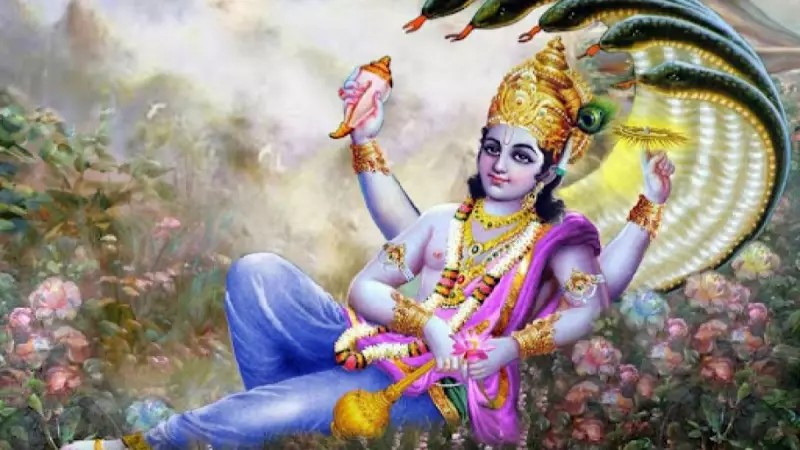
The Hindu lunar calendar marks certain days as especially potent for spiritual growth, and Ekadashi is among the most revered. In the month of Magha, during the Krishna Paksha, devotees observe Shattila Ekadashi, a day dedicated to Lord Vishnu. In the year 2026, this significant fast falls on Monday, January 26. This observance is known by several names, including Tilda Ekadashi and Shattila Ekadashi, each reflecting its unique rituals and profound meaning.
Shattila Ekadashi 2026: Key Timings and Date
Adhering to the correct timings is crucial for the observance of any vrat. For Shattila Ekadashi in 2026, the Ekadashi tithi begins at 10:04 AM on January 25 and concludes at 11:29 AM on January 26. The fast is traditionally observed on the day when Ekadashi prevails during sunrise. Therefore, the main day for observing the Shattila Ekadashi vrat in 2026 is Monday, January 26.
The breaking of the fast, known as Parana, has a specific window. The Parana time for Shattila Ekadashi 2026 is on January 27, between 07:05 AM and 09:17 AM. It is essential to perform the Parana only after the completion of Dwadashi tithi. The Dwadashi ends at 12:42 PM on January 27, making the morning hours the most auspicious time to conclude the fast.

Puja Vidhi and Rituals for Shattila Ekadashi
Observing Shattila Ekadashi involves a series of devotional practices aimed at pleasing Lord Vishnu and seeking his divine grace. Devotees wake up early, take a purifying bath, and wear clean clothes. A dedicated altar is prepared for the puja. The core ritual involves offering til (sesame seeds) to Lord Vishnu in six different forms, which is the origin of the name 'Shattila' or 'Shat' meaning six.
The six offerings traditionally include:
- Using til in the ritual bath (snana).
- Performing til-based havan (offering in sacred fire).
- Using til for tarpan (offering to ancestors).
- Applying til mixed in water or paste on the body.
- Donating food or items containing til.
- Consuming food made with til during the Parana.
Devotees chant Vishnu Sahasranama, read the Bhagavad Gita, and listen to or recite the story (katha) associated with Shattila Ekadashi. Maintaining a satvik diet, avoiding grains and beans on the fast day, and engaging in charitable acts are integral parts of the observance. The fast can be nirjala (without water) or phalahar (fruit-based), depending on one's capability.
The Spiritual Significance and Benefits
The significance of Shattila Ekadashi is deeply rooted in Hindu scriptures like the Puranas. It is believed that observing this vrat with sincerity helps in washing away sins accumulated over many lifetimes. The act of donating til, along with ghee and other essentials, is said to bring immense punya (merit) and please the ancestors.
Lord Vishnu, the preserver of the universe, is believed to be especially accessible to his devotees on this day. The rigorous fasting and devotional practices are meant to cultivate discipline, control over the senses, and a heightened state of spiritual awareness. The ultimate benefit, as per tradition, is the attainment of moksha (liberation) and a place in Vaikuntha, the abode of Lord Vishnu. It is also believed to bestow material prosperity, peace, and happiness upon the observer and their family.
In essence, Shattila Ekadashi 2026 presents a powerful spiritual opportunity for devotees across India. By following the prescribed date of January 26, adhering to the Parana time before 9:17 AM on January 27, and performing the detailed puja vidhi with devotion, believers seek to connect with the divine, purify their souls, and move closer to the path of eternal bliss.