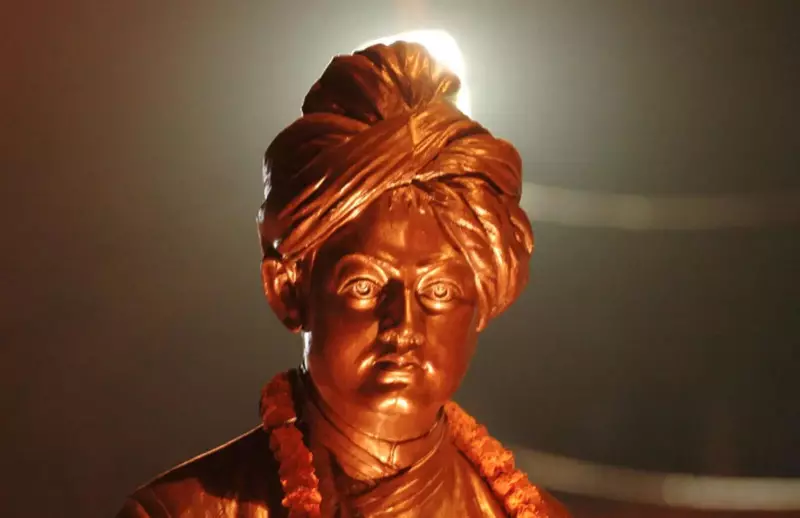
The teachings of Swami Vivekananda, the revered Indian Hindu monk and spiritual philosopher, continue to illuminate paths of self-discovery and spiritual awakening across the globe. A masterful orator and thinker, his vast body of work urges individuals to look inward. One of his most powerful statements, "You Cannot Believe in God Until You Believe in Yourself," serves as a cornerstone of his message, challenging conventional notions of faith and divinity.
The Deep Meaning Behind the Quote
This profound statement is not a denial of God but a radical reorientation of where one seeks the divine. Swami Vivekananda, rooted in the Vedanta philosophy, taught that God is not a separate entity residing far away. Instead, the divine essence is present within every human being. Therefore, to believe in God authentically, one must first acknowledge and have faith in that inner divinity—the soul or the Atman. This perspective transforms spirituality from an external search into an internal realization.
When you understand that God resides within your own soul, your actions naturally align with higher consciousness. You become aware that your inner self is a witness to all deeds, fostering a life of compassion and reducing tendencies toward negative or sinful acts. The quote is an invitation to inner awakening, moving beyond ritualistic worship to a profound connection with the self.

What Does 'Believe in Yourself' Truly Mean?
Swami Vivekananda's call for self-belief is often misunderstood. It is not an endorsement of ego, arrogance, or a sense of superiority over others. Rather, it is a clarion call to:
- Recognize your inherent self-worth and potential.
- Understand your inner strength and willpower.
- Acknowledge the divine power that resides within you.
This self-belief is the foundation of fearlessness and moral courage. It is the confidence that stems from knowing you are connected to the ultimate source of strength and inspiration.
The Historical Context and Lasting Importance
Vivekananda's emphasis on self-belief was a direct response to the social and spiritual climate of his time. Indian society was grappling with the burdens of caste discrimination, inequality, and deep-seated insecurities. Many people saw themselves as weak, powerless, and inferior, leading to a faith built on fear and dependency.
The spiritual teacher understood that such a foundation was fragile. For true spiritual growth, individuals had to shed these limiting beliefs and tap into their inner power. By encouraging self-belief, he aimed to empower people, enabling them to connect with God from a position of strength and self-respect, not fear or subservience.
Relevance in Today's Modern World
This teaching remains critically important in the 21st century. In today's fast-paced world, we often engage in external religious practices—visiting temples, offering prayers—yet we may fail to undertake the crucial journey of self-understanding. Swami Vivekananda's wisdom reminds us that spirituality is incomplete without self-confidence and fearlessness.
Creating a balance between our outer lives and inner world is key. When God becomes the source of inspiration from within, it dispels fear and fills life with purpose. The message is clear: to find the divine, one must first dare to believe in the divinity within oneself. This is the timeless legacy of Swami Vivekananda's transformative vision.