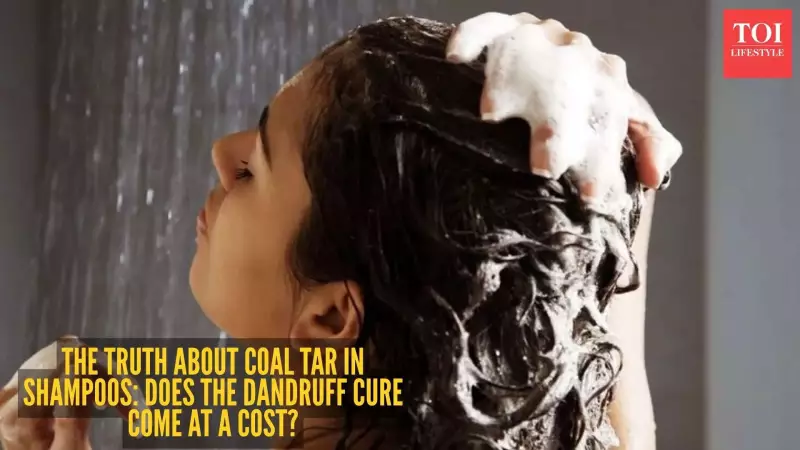
An ingredient more commonly associated with paving roads is finding its way into bathrooms across India. Coal tar, a thick black liquid, is now a key component in shampoos targeting stubborn scalp conditions like psoriasis and severe dandruff. While its use in dermatology is not new, its presence in over-the-counter haircare raises important questions about efficacy and safety for the everyday consumer.
What Exactly Is Coal Tar and How Does It Help the Scalp?
Coal tar is primarily a byproduct obtained when coal is heated in the absence of air to produce coal gas. This process yields a substance rich in compounds like phenols, naphthalene, and benzene. Historically used in road construction, dyes, and plastics, its medicinal properties for skin ailments have been recognized for decades.
In the context of scalp health, coal tar acts as a powerful agent against conditions like psoriasis. It works by slowing down the rapid growth of skin cells, which is a hallmark of psoriasis, thereby reducing the characteristic inflammation, intense itchiness, and unsightly scaling. It also helps by loosening and softening the hard scales and crusts on the scalp, making them easier to remove, and possesses antibacterial properties.

The concentration of coal tar in shampoos can vary significantly, typically ranging from 0.5% to 5%. A common belief among users is that a higher concentration translates to greater effectiveness, though it may also increase the potential for initial side effects like scalp irritation.
Is the Coal Tar in Your Shampoo Safe to Use?
This is the most critical question for any user. It is vital to understand that the coal tar used in medicinal shampoos is not the same as the raw material used for industrial purposes.
The regular coal tar used for paving roads can contain carcinogenic chemicals. However, the pharmaceutical-grade coal tar used in shampoos undergoes rigorous purification and testing. Reputable associations ensure that the harmful carcinogenic compounds are removed, leaving behind a refined product with components that positively affect scalp health.
When used in the approved concentrations (0.5% to 5%), coal tar is considered a safe and effective treatment for scalp psoriasis. However, as with most treatments, it is not without potential drawbacks.
Potential Side Effects and Crucial Precautions
Users should be aware of possible adverse effects. Initially, coal tar shampoo may cause scalp irritation, dryness, or a burning sensation. For many, the scalp adjusts to the treatment over time. Another significant precaution involves sun exposure.
It is strongly advised to avoid direct sunlight on the treated scalp for at least 24 hours after using a coal tar product. Coal tar can make the skin more sensitive to ultraviolet (UV) rays, increasing the risk of sunburn and sun damage. Other common complaints include the strong, unpleasant odour of the shampoo, which some users find difficult to tolerate.
Before incorporating a coal tar shampoo into your routine, it is prudent to check the concentration level on the label and, if you have sensitive skin or severe symptoms, consult a dermatologist. This old-fashioned treatment has stood the test of time for a reason, but informed and cautious use is the key to reaping its benefits safely.