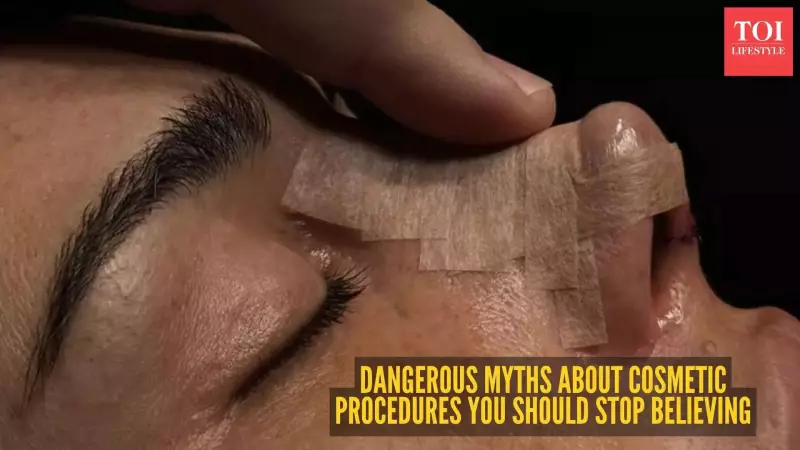
As we move into 2026, public interest in cosmetic and plastic surgery procedures continues to grow. However, this field remains shrouded in persistent myths and misconceptions that can lead individuals to make ill-informed decisions. A recent lifestyle analysis highlights several common but dangerous misunderstandings that need to be addressed.
Myth 1: Plastic Surgery Is Only for Vanity
One of the most prevalent falsehoods is the belief that plastic surgery serves only to enhance facial appearance or reverse aging. This is fundamentally incorrect. The specialty encompasses a wide range of reconstructive and functional procedures. Common examples include rhinoplasty for nose correction and otoplasty for ear correction. Many patients seek these surgeries not merely for aesthetics but for significant improvements in self-confidence and overall health, addressing issues that may affect breathing, hearing, or physical comfort.
Myth 2: Cosmetic Procedures Are a Women-Only Domain
The stereotype that only women opt for cosmetic enhancements is completely outdated. Men have similar psychological and emotional needs regarding their appearance and well-being. In modern practice, a significant number of men undergo procedures such as nose surgeries (rhinoplasty), Botox injections, eyelid surgeries (blepharoplasty), and various reconstruction surgeries. Treatments for concerns like severe under-eye bags are also increasingly common among male patients, reflecting a broader societal shift.

Myth 3: Botox Injections Are Inherently Dangerous
A widespread and alarming myth suggests that Botox is a dangerous toxin that leads to health complications. Medical experts confirm this notion is baseless. While derived from a neurotoxin, the formulations used in approved cosmetic and therapeutic applications are highly purified and strictly regulated. Many are FDA-approved, confirming their safety profile when administered by qualified professionals. Beyond smoothing wrinkles, Botox is now a recognized remedy for chronic migraine relief, offering a legitimate medical solution for pain management.
Myth 4: You Must Be Older to Consider Surgery
Another misconception is that plastic surgery is exclusively for older individuals. The truth is quite the opposite. Age can negatively impact healing and results. While older patients may seek treatments like skin tightening, younger adults can also benefit from specific procedures to address concerns early, often achieving better and longer-lasting outcomes. Proactive corrections earlier in life can be more effective than major interventions later on.
The key takeaway for anyone considering a cosmetic procedure in 2026 is to seek information from certified medical professionals. Basing decisions on these common myths can lead to unrealistic expectations and poor choices. An informed patient, armed with factual knowledge about the diverse, safe, and accessible nature of modern cosmetic and reconstructive surgery, is empowered to make the right decision for their personal goals and health.