

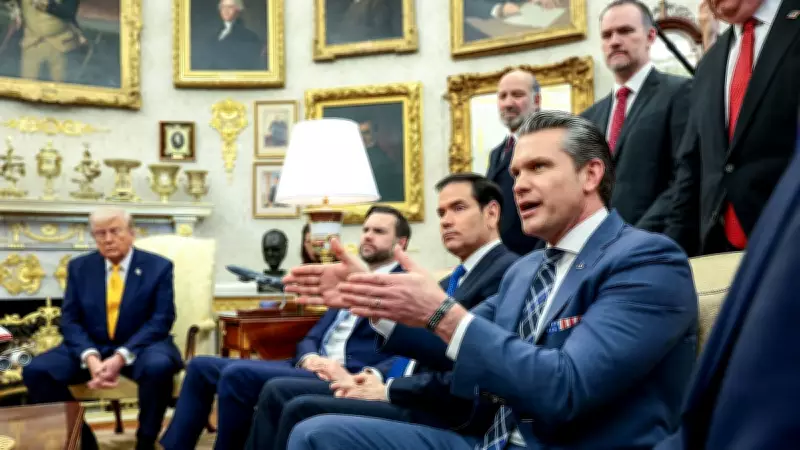
Trump's Major Iran War Funding Request Faces Intense Congressional Pushback
President Donald Trump's administration has submitted a substantial funding request to Congress, aimed at supporting military operations against Iran, but it is encountering formidable opposition from lawmakers. The request, which has been described by some critics as "money to kill bad guys," highlights the deep political divisions over U.S. foreign policy in the Middle East.
Congressional Resistance and Political Divides
The funding proposal is facing stiff resistance in both the House and Senate, with Democrats and some Republicans expressing concerns over escalating conflicts. Key members of Congress argue that the request lacks clear strategic objectives and could further destabilize the Gulf region. This opposition reflects broader debates about the role of the U.S. in international conflicts and the allocation of defense resources.
Low Public Support for the War
Recent opinion polls indicate that the war with Iran is not popular among the American public, with only about one in four Americans supporting the military engagement. This low approval rating adds pressure on Congress to scrutinize the funding request more closely, as lawmakers consider the political implications of backing an unpopular war.

Key Points of Contention:
- The funding request is seen as a significant escalation in U.S.-Iran tensions.
- Opposition in Congress is bipartisan, with critics questioning the necessity and timing of the request.
- Public opinion polls show widespread skepticism about the war's benefits and costs.
Implications for U.S. Policy and International Relations
The debate over this funding request could have far-reaching consequences for U.S. foreign policy, particularly in relations with allies and adversaries in the Middle East. It also raises questions about the balance of power between the executive and legislative branches in matters of war and peace.
As the discussion unfolds, the outcome will likely influence future military engagements and budget allocations, shaping the trajectory of U.S. involvement in global conflicts.






