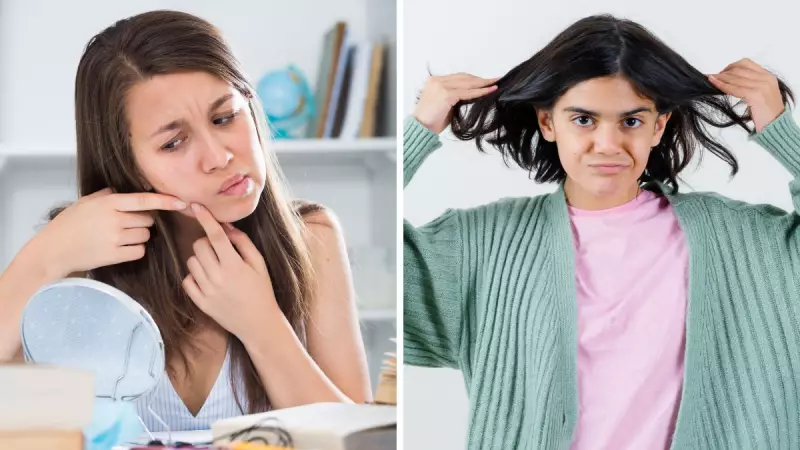
If you're a teenager or a parent of one, the sudden appearance of pimples and a perpetually greasy scalp can feel like an unwelcome rite of passage. This common adolescent struggle isn't just about hygiene; it's deeply rooted in biology. A dermatologist explains the precise hormonal mechanisms that trigger these frustrating changes.
The Hormonal Storm: Androgens Take Center Stage
The primary driver behind these changes is a surge in hormones known as androgens. During puberty, the body ramps up production of these hormones, including testosterone. Both boys and girls experience this increase, though the levels differ. These androgens act as powerful messengers, traveling through the bloodstream to various parts of the body, including the skin and hair follicles.
Their main target? Tiny glands called sebaceous glands. Androgens signal these glands, which are attached to hair follicles, to grow larger and become more active. This hyperactivity leads to the production of more sebum—the natural oil that keeps our skin and hair lubricated. While some sebum is essential for health, an excess creates the perfect environment for clogged pores and that characteristic oily sheen on both the face and hair.

From Oil to Acne: The Pimple Formation Process
The journey from increased sebum to a full-blown pimple involves a few key steps. First, the excess oil mixes with dead skin cells that are not shed properly. This sticky mixture forms a plug within the hair follicle, creating a microcomedone—the earliest stage of a pimple.
This plugged, oil-rich environment is a breeding ground for a bacterium that naturally lives on our skin called Cutibacterium acnes (C. acnes). The bacteria thrive, multiply, and cause inflammation. The body's immune system responds to this bacterial party, leading to the redness, swelling, and pus associated with inflammatory acne like papules, pustules, and cysts. The areas with the highest concentration of sebaceous glands—the face, chest, and upper back—are therefore the most common sites for breakouts.
Why Hair Becomes Oily So Quickly
The same process affects the scalp. Each hair follicle on your head has its own sebaceous gland. Under the influence of androgens, these glands on the scalp also go into overdrive, producing more sebum. This oil travels up the hair shaft, making hair look limp, greasy, and feel unclean only a day or sometimes just hours after washing. The problem can be exacerbated by frequent washing with harsh shampoos, which can strip the scalp and trigger it to produce even more oil in compensation.
It's crucial to understand that these changes are a normal part of human development. They indicate that the body is maturing as it should. However, the severity can vary greatly from one teen to another due to factors like genetics, stress levels, diet, and skincare habits.
Managing the Changes: Practical Advice from Skin Experts
While you can't stop puberty, you can manage its effects on your skin and hair with a consistent, gentle routine. Dermatologists emphasize the following pillars for teens:

- Cleanse Gently, Don't Scrub: Wash your face twice daily with a mild, non-comedogenic (won't clog pores) cleanser. Avoid harsh scrubs or vigorous washing, which can irritate skin and worsen oil production.
- Use Non-Comedogenic Products: Choose oil-free moisturizers, sunscreens, and makeup labeled "non-comedogenic" or "oil-free."
- Hands Off: Avoid picking or popping pimples. This pushes bacteria deeper, increases inflammation, and raises the risk of permanent scarring.
- Shampoo Smartly: For oily hair, use a gentle shampoo regularly. Consider formulas designed for oily hair, but avoid overly drying ones. It's a balance between removing excess oil and not over-stimulating the scalp.
- Seek Professional Help for Severe Cases: If acne is severe, painful, cystic, or causing significant distress or scarring, it's time to consult a dermatologist. They can prescribe treatments like topical retinoids, antibiotics, or other medications that target the root causes effectively.
Understanding the "why" behind teenage pimples and oily hair demystifies these conditions. It shifts the perspective from a personal failing to a natural biological process. With patience, the right information, and appropriate care, this challenging phase can be navigated more smoothly, leading to healthier skin and hair habits that last a lifetime.