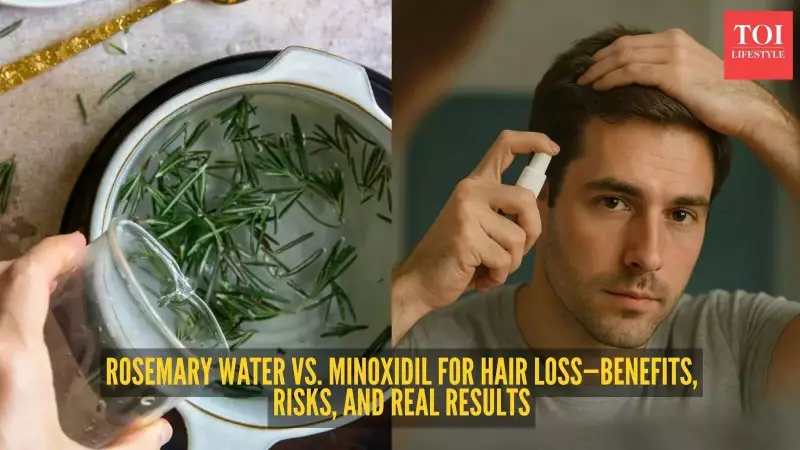
The Kitchen vs The Clinic: India's Hair Growth Crossroads
Your TikTok feed probably shows it daily. A simmering pot of rosemary water promises thicker hair without chemicals. The Mediterranean fragrance fills the kitchen. A glass spray bottle waits on the counter. People call it "nature's Minoxidil." The idea sells easily in today's wellness-obsessed culture.
But when morning light hits your bathroom mirror, doubts surface. That widening part stares back. Are we growing new hair? Or just soaking our insecurities in herbal steam?
India's DIY Hair Revolution
In 2026's fast-paced social landscape, a receding hairline feels like public admission of stress. The search for solutions has shifted dramatically. People no longer rush to pharmacy aisles first. They check their vegetable trays instead.

Modern Indians seek more than follicles. They want a self-image free from chemical dependencies. The contemporary DIY scalp ritual feels intimate and grounded. It represents quiet defiance against commercial solutions.
For decades, Minoxidil foam in pressurized cans set the gold standard. It delivered results but with strings attached. Users experienced what many call a "hostage clause." Stop applying it, and your carefully nurtured hair vanishes within weeks.
Rosemary water emerges as rebellion against this dependency. In an age of AI-generated perfection, boiling plants feels remarkably human. Rubbing herbal water on your scalp becomes an act of personal agency.
The Scientific Reality Check
Popular science references often mislead. Everyone mentions a 2015 study about rosemary oil. But that research examined concentrated extract, not the "water" bubbling on Gurgaon stovetops.
The study tested rosemary extract against 2% Minoxidil. This creates crucial friction. Most Indian men dealing with significant thinning use 5% Minoxidil formulas. These represent clinical heavy-hitters.
Rosemary water offers gentle whispers by comparison. Yes, it contains antioxidants and fights inflammation. The scalp feels cool afterward. Your bathroom smells like Sunday cooking. But advanced hair thinning often demands pharmacological sledgehammers, not fragrant mists.
Why Choose Plants Over Pills?
Psychological factors drive this preference. Minoxidil's "dread shed" phase terrifies many users. Hair falls out faster before regrowth begins. This temporary worsening tests emotional resilience.
Then there's the flaking issue. Minoxidil can transform scalps into dry, itchy landscapes. Rosemary treatments approach the scalp like a garden needing nurture.
The choice reflects deeper life philosophies for 2026 Indians. Do you want guaranteed results with chemical commitments? Or prefer gentle, natural approaches with uncertain outcomes?
The Supermarket Moment of Truth
Reflection often strikes in produce sections. You hold a ₹40 rosemary bunch, wondering: "Am I being holistic or delusional?" The mirror's widening "V" mocks your best intentions.
Returning to chemical foam means signing lifelong contracts. Sticking with rosemary means betting on unproven kitchen miracles.
The amber spray bottle returns to its shelf. It joins half-used serums and ordinary toothbrushes. Your scalp feels cool—not with clinical sting, but herbal hum.
Your hairline hasn't moved dramatically. Yet the ritual continues. Leaves keep boiling. Drains get checked for fallen strands. Hope remains invested in greenery.
Sometimes, the ritual itself becomes what we truly own. Not the hair, but the consistent act of caring. Not the result, but the daily commitment to trying.