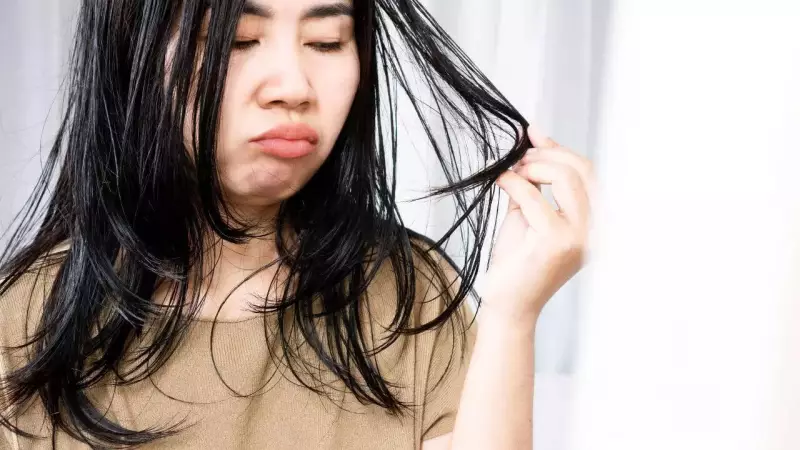
Dealing with persistently greasy hair that appears oily just hours after washing can be incredibly frustrating and affect your confidence. Many individuals across India struggle with this common hair concern, which not only makes hair look limp and unclean but can also lead to scalp discomfort, persistent itching, and even dandruff issues.
The natural oil called sebum produced by your scalp plays a crucial role in protecting hair and maintaining its health. However, when the sebaceous glands go into overdrive, the excessive oil production can make your freshly washed hair appear dirty and greasy much sooner than expected.
Primary Causes of Greasy Hair After Washing
Seborrhoea and Excessive Oil Production Seborrhoea stands as a significant medical condition where the sebaceous glands produce abnormally high amounts of sebum. While sebum naturally protects and nourishes hair, overproduction creates a scalp that appears oily, heavy, and unclean often within hours of washing. This condition frequently stems from genetic factors, high stress levels, or hormonal fluctuations and may lead to additional scalp problems including persistent itching, dandruff, or inflammation.

Inappropriate Hair Care Products Using shampoos, conditioners, and styling products not formulated for oily hair can significantly worsen greasiness. Heavy creams, wax-based products, and silicone-containing formulations can coat both hair and scalp, effectively trapping oil and environmental pollutants. Over time, these product residues accumulate, making hair appear limp, sticky, or excessively greasy. Even products marketed as moisturizing might be too rich for certain hair types, causing oil to spread rapidly from scalp to ends.
Dietary and Hormonal Influences Your dietary choices directly impact oil production on your scalp. Diets high in dairy products, refined sugars, and high-glycemic foods can influence androgen hormones, which subsequently stimulate sebaceous glands to produce more oil. Hormonal imbalances caused by chronic stress, specific medications, or underlying health conditions can further exacerbate oiliness. Consequently, hair may become greasy even after thorough washing, particularly noticeable at the roots.
Additional Contributing Factors
Genetic Hair Type Predisposition Some individuals naturally possess hair types genetically inclined toward oiliness. Straight or fine silky hair particularly allows sebum to travel effortlessly from scalp to hair ends, making hair appear greasy quickly. In contrast, curly or textured hair tends to retain oil closer to roots for longer durations, reducing the visible appearance of greasiness. Understanding your inherent hair type proves essential for determining correct washing frequency and selecting appropriate hair care products.
Environmental Aggravators Environmental conditions substantially impact scalp health and hair oiliness. Regular exposure to dust, cigarette smoke, and urban pollution allows microscopic particles to adhere to natural scalp oils, increasing greasiness and making hair appear unclean. Pollutants can also irritate the scalp, triggering defensive excess sebum production as the skin attempts to protect itself.
Common Hair Care Mistakes That Worsen Greasiness
Several everyday hair care practices can inadvertently worsen oily hair conditions. Over-conditioning or applying conditioner directly to the scalp instead of focusing on ends creates unnecessary buildup. Washing hair with excessively hot water stimulates oil production, while either washing too frequently or insufficiently disrupts the scalp's natural sebum balance. Additionally, using waxes, heavy creams, or oil-based treatments leaves residues that contribute to greasy appearance.
Effective Solutions for Managing Greasy Hair
Proper Conditioning Technique Avoid over-conditioning your hair and never apply conditioner directly to the scalp. Instead, focus application primarily on hair ends which genuinely need hydration, thereby keeping the scalp cleaner and less greasy.

Tea Tree Oil Benefits Tea tree oil contains natural antiseptic and oil-absorbing properties that make it ideal for greasy hair management. Shampoos incorporating tea tree oil can effectively control sebum production, reduce dandruff occurrence, and soothe itchy scalp. You can also dilute pure tea tree oil and massage it gently onto your scalp for enhanced benefits.
Limit Styling Products and Heat Frequent use of waxes, serums, and styling creams significantly contributes to oilier hair. Heat styling practices including straightening and curling can stimulate sebaceous glands, consequently increasing oil production. Minimizing these habits helps maintain fresher-looking hair for extended periods.
Appropriate Moisturization Even oily hair requires proper hydration. Correctly moisturizing both scalp and hair helps balance oil production, strengthens hair structure, and improves natural shine. Choose lightweight, water-based moisturizers or leave-in treatments that maintain scalp health without adding greasiness.
Homemade Scalp Scrub Recipe A gentle homemade scrub effectively removes excess oil and product buildup from the scalp. Mix one tablespoon of sugar with two tablespoons of multani mitti, then add fresh aloe vera gel and half tablespoon of rose water to form a smooth paste. Apply this mixture to your scalp in sections, leave for twenty minutes, then rinse thoroughly. This natural scrub helps control greasiness and refreshes the scalp naturally.
This easily prepared scrub absorbs excess oil and cleanses the scalp effectively, leaving hair feeling fresh and noticeably lighter. Managing greasy hair after washing represents a common challenge, but understanding its underlying causes and implementing proper care practices makes effective management achievable. Selecting appropriate hair products, maintaining balanced nutrition, limiting styling product usage, and incorporating natural remedies like tea tree oil and homemade scrubs collectively help control oiliness. Consistency within your hair care routine remains fundamental to achieving strong, shiny, and manageable hair.
Disclaimer: This article serves general informational purposes only and doesn't substitute for professional medical advice, diagnosis, or treatment. Always consult qualified healthcare providers regarding any medical condition or significant lifestyle changes.