5 Harmless Snakes in India That Are Secretly Helping You Every Day
The mere mention of snakes often evokes immediate fear, with images of cobras or vipers springing to mind. This widespread perception fuels the misconception that all snakes are deadly. However, this notion is far from accurate. Across India, numerous common snake species are entirely non-venomous and serve vital functions in preserving the delicate equilibrium of nature.
These snakes pose no threat to humans. Instead, they labor diligently behind the scenes, managing pest populations, protecting agricultural interests, and upholding ecological harmony. Tragically, many of these beneficial creatures are killed due to ignorance and unfounded fear. A closer examination of these species reveals their indispensable contributions to our environment.
Rat Snake
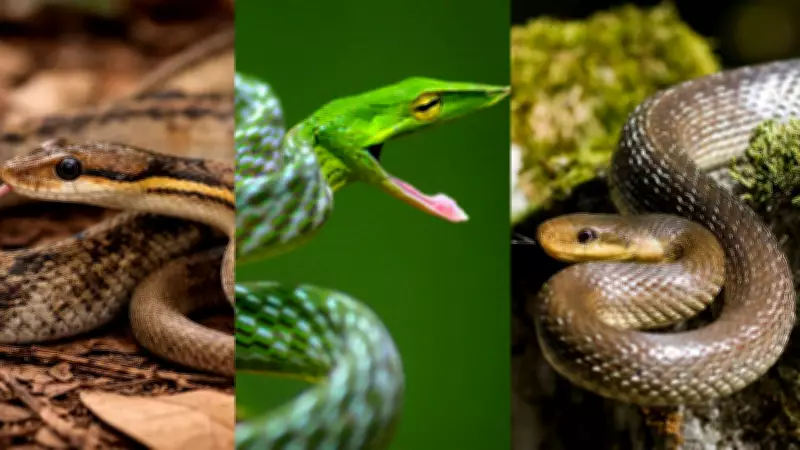
The rat snake is one of the most frequently encountered snakes in India, particularly in rural and semi-urban areas. As its name implies, this snake primarily feeds on rats and rodents. This dietary preference makes the rat snake exceptionally beneficial, as it significantly reduces crop damage and helps prevent the spread of diseases carried by rodents. By naturally controlling rodent populations, these snakes provide an eco-friendly alternative to chemical pesticides.

Checkered Keelback
Often spotted near water bodies such as ponds, lakes, and rice fields, the checkered keelback is an adept swimmer. Many people mistakenly believe this snake is poisonous due to its aquatic habitat, but it is actually harmless to humans. Its diet consists mainly of frogs and small fish. The presence of the checkered keelback often indicates a healthy water environment, as it thrives in clean, well-balanced ecosystems.
Green Vine Snake
The green vine snake is characterized by its slender, bright green body, perfectly adapted for arboreal life. Its docile nature and striking appearance make it one of the most fascinating snakes to observe. This carnivorous species feeds on lizards, frogs, and small birds. While it possesses mild venom, it is not harmful to humans, serving only to subdue its prey.
Common Trinket Snake
Quick, alert, and often misunderstood, the common trinket snake is frequently mistaken for a dangerous species due to its appearance. In reality, it is harmless to humans. This snake plays a significant role in agriculture by preying on rats, mice, and small reptiles. Its presence helps farmers protect their crops naturally, reducing the need for chemical interventions and promoting sustainable farming practices.
Indian Rock Python
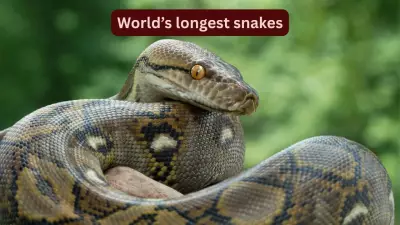
The Indian rock python is one of the longest snakes in the country, and its imposing size can be intimidating. However, it is non-venomous and generally exhibits a calm temperament. This snake prefers to avoid human contact but may become defensive if provoked. Its diet includes rodents, birds, and small mammals, effectively keeping rodent populations in check. Notably, the Indian rock python is protected under Indian wildlife laws and is classified as a near-threatened species, highlighting the importance of conservation efforts.
In conclusion, these five harmless snakes are unsung heroes in India's ecosystems. By controlling pests, supporting agriculture, and maintaining ecological balance, they provide invaluable services that often go unnoticed. Raising awareness about their benefits is crucial to combating the fear and ignorance that threaten their survival, ensuring these vital creatures continue to thrive in their natural habitats.