Beyond Lions and Tigers: 5 Unusual National Animals and Their Stories
When we consider national animals, our minds often jump to iconic, powerful creatures like lions, tigers, or eagles. These symbols typically represent strength, pride, and national identity. However, not every country follows this conventional path. Some nations have selected animals that are rarely seen in the wild, others have chosen species on the brink of extinction, and in one remarkable case, the national animal isn't even real. This article explores five such unusual picks and the fascinating stories behind them.
Scotland: The Mythical Unicorn
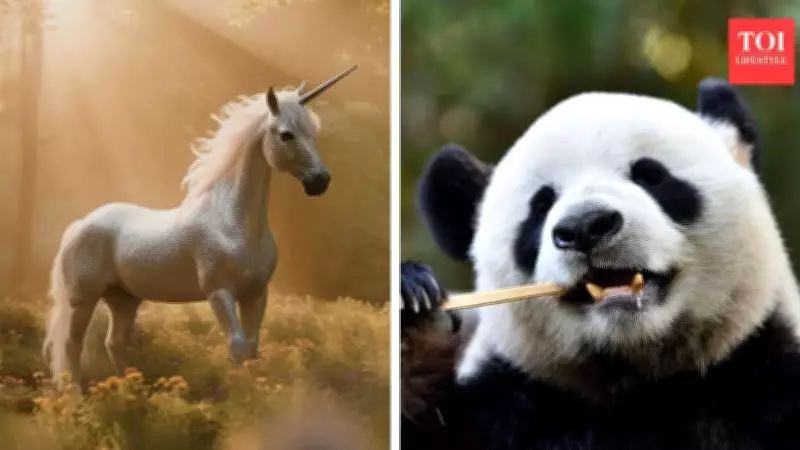
Scotland's national animal is the unicorn, a legendary creature from ancient folklore. This choice dates back centuries and is rooted in rich mythology. The unicorn was historically viewed as a symbol of purity, immense strength, and, most importantly, independence—a creature that could not be easily tamed or controlled. This symbolism resonated deeply with Scotland's own historical struggle for autonomy and its distinct cultural identity, making the unicorn a perfect emblem of national spirit.
China: The Beloved Giant Panda
China's national animal, the giant panda, is adored globally for its distinctive appearance and gentle nature. However, its journey has been fraught with challenges. For decades, pandas faced severe threats from habitat destruction due to deforestation and urbanization, coupled with notoriously low birth rates in captivity and the wild. These factors led to a dramatic population decline, resulting in their classification as an endangered species. Through dedicated and intensive conservation efforts, including breeding programs and habitat protection, the giant panda's status has improved, though spotting one in its natural habitat remains a rare and difficult experience.

Mauritius: The Extinct Dodo
Mauritius has chosen the dodo as its national animal, despite the bird becoming extinct over 300 years ago. The dodo was a flightless bird endemic to the island, unable to adapt to the rapid changes brought by human arrival. Hunting by settlers and the introduction of invasive species led to its swift and tragic disappearance. By honoring the dodo, Mauritius highlights the importance of environmental conservation and serves as a poignant reminder of the irreversible consequences of human activity on biodiversity.
Bhutan: The Unique Takin
Bhutan's national animal, the takin, is relatively unknown and boasts an extraordinary appearance. This large, sturdy mammal features a blend of characteristics reminiscent of both goats and cows, making it a truly unique creature. The takin holds profound cultural and spiritual significance in Bhutanese traditions, often associated with local myths and religious beliefs. Additionally, it is classified as a vulnerable species, emphasizing the critical need for its protection and conservation within Bhutan's pristine ecosystems.
Madagascar: The Iconic Ring-Tailed Lemur
Madagascar's national animal, the ring-tailed lemur, is instantly recognizable by its long, black-and-white striped tail. These primates are endemic to Madagascar, meaning they are found nowhere else on Earth, which underscores their uniqueness and ecological importance. However, their survival is under significant pressure due to rampant habitat loss from deforestation and agricultural expansion. This shrinking environment poses a serious threat to their population, making conservation efforts vital for preserving this iconic species.
Images: Canva (for representative purposes only)