

Super Typhoon Sinlaku Leaves Northern Marianas in Crisis, Weeks of Power Outages Expected
Severely affected regions of the Northern Marianas may endure weeks without electricity and clean water following the devastating impact of Super Typhoon Sinlaku, as confirmed by an official on Thursday. The Pacific Ocean islands, home to approximately 45,000 residents, were brutally assaulted by the storm, leading to catastrophic infrastructure damage and widespread disruptions.
Critical Infrastructure Suffers Major Damage
Ed Propst, a former lawmaker currently serving in the governor's office, reported that the only hospital on Saipan experienced severe flooding. Additionally, several major resorts lost their backup generators, exacerbating the emergency situation. "It's pretty bad conditions right now," Propst stated, emphasizing that residents are preparing for an extended period without essential utilities.
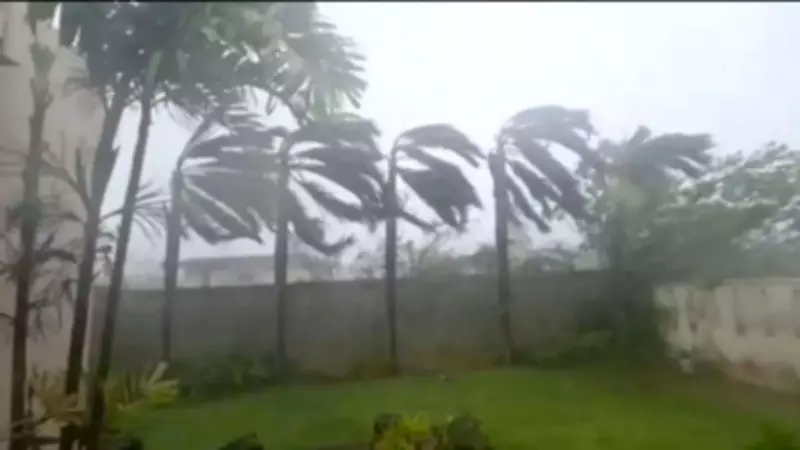
Authorities have just begun evaluating the extensive destruction caused by Super Typhoon Sinlaku. The cyclone initially struck the islands on Tuesday night local time, unleashing a relentless onslaught of fierce winds and torrential rains throughout Wednesday. This violent weather flipped vehicles, toppled utility poles, and ripped tin roofs from buildings. Fortunately, no fatalities have been reported so far.

Widespread Power and Water Outages Across Islands
Power and water services are completely offline, and numerous roads remain impassable across Saipan and Tinian, both part of the U.S. Commonwealth of the Northern Mariana Islands. Bernard Villagomez, the public information officer for the territory's Office of Homeland Security and Emergency Management, explained in a text message to The Associated Press that a shelter-in-place order is still active, preventing first responders from conducting a comprehensive damage assessment.
The Federal Emergency Management Agency (FEMA) is mobilizing additional personnel to the region and increasing shipments of crucial supplies to aid recovery efforts. The storm also impacted Guam, another U.S. territory hosting several American military bases, with tropical-force winds causing further disruptions.
Typhoon Intensity and Ongoing Threats
According to the National Weather Service, Super Typhoon Sinlaku—the strongest tropical cyclone of the year—packed sustained winds of up to 150 mph (241 kph) upon landfall. Even as it moved northward away from Saipan, Tinian, and Rota late Wednesday night, the monster storm maintained winds of 125 mph (201 kph). Sinlaku is projected to curve toward sparsely populated volcanic islands in the far northern Marianas, posing continued risks.
By Thursday, the storm was located about 170 miles (274 kilometers) northwest of Saipan. Although many sensors on the island were non-functional, the weather service estimated winds at approximately 60 to 70 mph (97 to 113 kph). These conditions rendered outdoor activities unsafe, yet some stores on Tinian remained open, with residents urgently purchasing supplies.
Resident Accounts and Visual Evidence of Destruction
Mathew Masga, a resident of Tinian, described the scene in a Facebook message to the AP: "While driving around, I noticed numerous wooden and semi-concrete houses with damaged rooftops due to the passing typhoon. Notably, many of our power poles and power lines are down."
Images from Saipan and Tinian reveal residential areas littered with debris and mangled trees. The powerful winds even crumpled metal bleachers at a sports field. In a striking example of the storm's fury, resident Dong Min Lee captured video footage of a car perched atop two others in his apartment building's parking lot, with winds tearing off part of his balcony railing.
Emergency Shelter and Relief Efforts
Stephanie Fox, a spokesperson for the American Red Cross, announced that the organization and its partners are currently sheltering over 1,000 residents across Guam and the Northern Marianas. This humanitarian response aims to provide immediate relief and support to those displaced or affected by the typhoon's aftermath.






