When we envision flowers, our minds typically conjure images of delicate petals and intoxicating fragrances. Roses, jasmine, and lilies epitomize nature's aromatic elegance. However, the botanical world harbors surprising exceptions that challenge our sensory expectations.
The Pungent Side of Pollination
Contrary to popular belief, numerous flowers emit repulsive odors reminiscent of decaying flesh, animal carcasses, or even foul garbage. These malodorous blooms have gained notoriety and scientific interest despite their offensive scents. Their unique survival strategies reveal fascinating adaptations in the plant kingdom.
1. The Infamous Corpse Flower
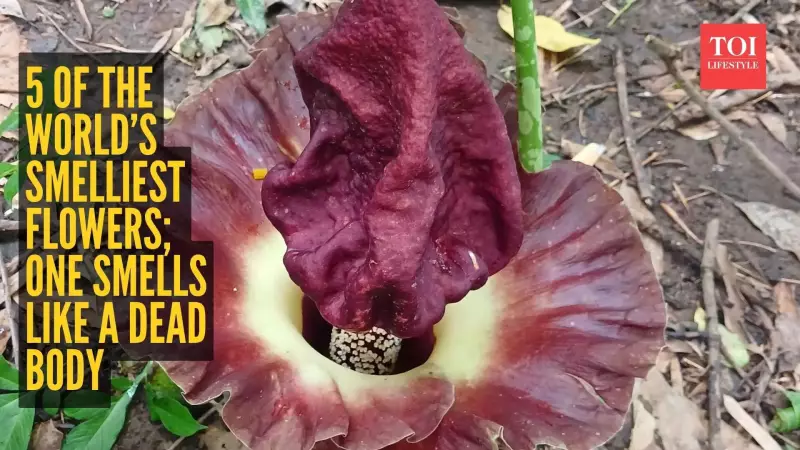
Widely regarded as Earth's most malodorous blossom, the Corpse Flower lives up to its grim name by releasing a scent strikingly similar to a decomposing human body. Indigenous to Indonesia's rainforests, this botanical giant blooms infrequently, sometimes taking years between flowering events. When it does blossom, botanical gardens worldwide experience visitor surges, drawn by the rare spectacle rather than any pleasant fragrance.

Pollination Strategy: The flower's putrid aroma specifically attracts carrion flies and beetles that typically feed on dead animals, ensuring effective pollination through deception.
2. Rafflesia: The Parasitic Stinker
Another colossal bloom with equally powerful odor, Rafflesia emits a scent often compared to rotting meat. This remarkable parasitic plant lacks conventional structures like leaves, stems, or roots, existing solely as a massive flower that grows on host vines in Southeast Asian forests.
Fascinating Fact: Despite its captivating appearance featuring enormous, fleshy petals, approaching this flower proves challenging for human observers due to its overwhelming stench.
3. Dead Horse Arum's Deceptive Beauty
Native to Mediterranean regions, the Dead Horse Arum presents an attractive exterior that belies its offensive odor. The plant's name accurately describes its scent profile, which mimics the smell of a deceased animal. This floral deception serves an essential biological purpose.
Survival Mechanism: The foul smell attracts pollinating insects that would typically visit animal carcasses, ensuring the plant's reproductive success through olfactory mimicry.
4. Carrion Flower's Domestic Dilemma
Emitting an odor combining decaying meat with human perspiration, the Carrion Flower presents an unusual horticultural choice. Surprisingly, some enthusiasts cultivate this plant as an exotic houseplant, though blooming periods create significant olfactory challenges.
When this unusual plant flowers indoors, its powerful scent can permeate entire living spaces, creating an environment that appeals to flies while repelling most human inhabitants.
5. Skunk Cabbage: The Thermal Stinker
True to its name, Skunk Cabbage releases a pungent aroma reminiscent of skunk spray. This cold-region specialist possesses remarkable thermal properties, generating sufficient heat to melt surrounding snow during early spring emergence.
Adaptive Advantage: The plant's offensive odor serves dual purposes—attracting early-season pollinators while deterring herbivores that might otherwise consume the emerging shoots.
Why Do Flowers Smell Terrible?
These malodorous blooms share common evolutionary strategies:
- Carrion Mimicry: Many foul-smelling flowers imitate the scent of decaying matter to attract specific pollinators like flies and beetles
- Niche Specialization: By targeting unconventional pollinators, these plants reduce competition for more common pollinators like bees and butterflies
- Chemical Complexity: The offensive odors result from complex chemical compounds including sulfurous molecules and amines that mimic decomposition
While these flowers may never grace perfumeries or romantic bouquets, they represent nature's incredible diversity and the ingenious adaptations plants develop for survival. Their existence reminds us that beauty in the natural world sometimes comes packaged with rather unpleasant surprises.