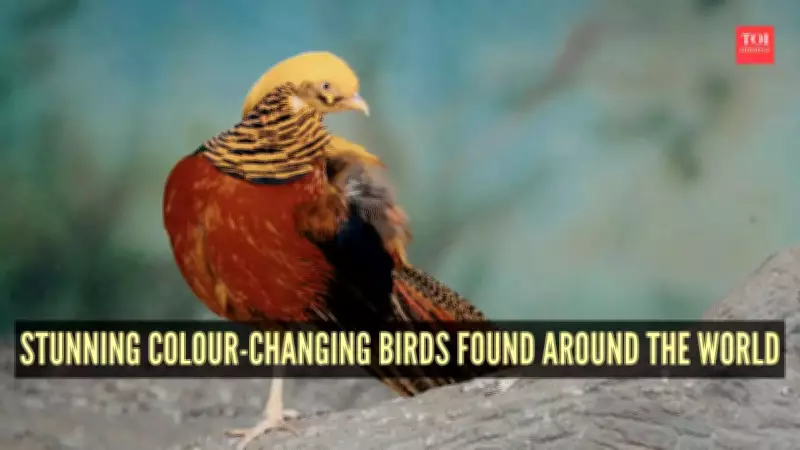
7 Stunning Colour-Changing Birds Found Around the World
Nature showcases its breathtaking beauty through vibrant colors, with birds standing out as some of the most vivid examples. Certain avian species undergo remarkable color transformations based on seasons, light conditions, age, or breeding cycles. These changes serve critical purposes, such as attracting mates, defending against predators, or blending into their environments for camouflage.
Below, we explore seven captivating birds renowned for their dynamic, color-shifting plumage, highlighting how these adaptations enhance their survival and reproductive success.
Ruff
The ruff exhibits one of the most dramatic seasonal transformations in the bird kingdom. For most of the year, it appears in a plain brown hue. However, during the spring breeding season, males develop elaborate neck collars in striking shades of black, rust, white, and gold to attract females. After breeding concludes, these vibrant feathers are shed, reverting the bird to its simpler, more subdued appearance.

Rock Ptarmigan
This Arctic bird adeptly changes color to match its surroundings. In winter, it turns completely white for effective camouflage in snowy landscapes. Come spring and summer, its plumage shifts to a brown-grey tone that blends seamlessly with rocky terrain. Additionally, males develop a small red eye patch during the breeding season, illustrating how color supports both survival and reproductive strategies.
Scarlet Tanager
Male scarlet tanagers display brilliant red plumage with black wings throughout the summer breeding months. Once the season ends, they transform into a dull yellow-green shade, which helps conceal them during migration. Females maintain a greenish-yellow coloration year-round but experience a slight brightening in spring, demonstrating how color changes facilitate safety and mating behaviors.
Snow Bunting
Snow buntings adjust their colors seasonally for both camouflage and temperature regulation. Winter males are predominantly white with black wings, blending perfectly into snowy environments. In summer, their plumage becomes browner to match breeding grounds. Females also darken slightly during nesting periods, enhancing protection from predators.
Snowy Owl
The snowy owl's plumage undergoes gradual shifts between seasons. It appears bright white in winter for concealment in tundra snow, while developing darker markings in summer. This transition improves camouflage and hunting efficiency as the environment changes from frozen white to rocky terrain.
Long-tailed Duck
Male long-tailed ducks transition from bold black-and-white winter plumage to duller grey-brown tones in summer. Females exhibit subtler seasonal adjustments. These color shifts reduce visibility during nesting and reflect evolving behavioral needs throughout the year.
In summary, these seven birds exemplify nature's ingenuity through their color-changing abilities, which play vital roles in adaptation and survival across diverse habitats worldwide.