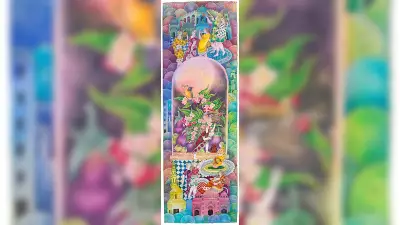
In Hinduism, each day of the week is dedicated to a specific deity, and the energy of that day shapes the focus of devotees—whether seeking wisdom, strength, or blessings for a peaceful home. Here is a look at how each day gets its own special god or goddess and what people do in their honor.
Monday: Lord Shiva
Mondays, known as Somvar, belong to Lord Shiva. The day draws the calm and soothing influence of the moon, so many people pray for peace, emotional balance, and happy relationships. Devotees wake up early, fast, and offer Lord Shiva milk, water, honey, and bel patra leaves. The chant “Om Namah Shivaya” is heard everywhere.
Tuesday: Lord Hanuman and Goddess Durga
Tuesdays start with Lord Hanuman and, for some, Goddess Durga. The day is fueled by energy and courage, thanks to the planet Mars. People read the Hanuman Chalisa, offer Lord Hanuman laddoos or jasmine oil, and smear sindoor as an offering. Fasting is common, especially for those hoping to overcome obstacles or calm rough planetary influences.

Wednesday: Lord Ganesha
Wednesdays, or Budhwar, are all about Lord Ganesha. Mercury rules this day, bringing sharp thinking and clever speech. Devotees offer Ganesha durva grass and sweet modaks, asking him to remove life's obstacles and help them succeed at work or in studies. He is the go-to deity for smooth communication and fewer roadblocks.
Thursday: Lord Vishnu and Lord Brihaspati
Thursday, Guruvar, is linked to planet Jupiter and focuses on prosperity and spiritual growth. Devotees worship Lord Vishnu and Lord Brihaspati, the heavenly teacher. People wear yellow, chant the Vishnu Sahasranama, and some worship banana trees for good luck. Traditions run deep—cutting hair or nails is avoided on Thursdays.
Friday: Goddess Lakshmi and Goddess Santoshi
Friday, or Shukravar, shines under Venus, a planet of love, beauty, and comfort. Devotees invite prosperity by worshipping Goddess Lakshmi for wealth and luck. Many also pray to Goddess Santoshi for harmony at home. Households tidy up, light lamps in the evening, and many keep fasts, all hoping for a happy, prosperous family life.
Saturday: Lord Hanuman and Lord Shani
Saturday, Shanivar, falls under Saturn's gaze, which means facing challenges, karma, and life's tougher lessons. Lord Shani is worshipped for protection from bad luck and hardship, but it is also a special day for Lord Hanuman. Devotees visit temples, read the Hanuman Chalisa, and offer mustard oil or black sesame seeds. The belief is that Lord Hanuman's blessing can soften Saturn's blows.
Sunday: Lord Surya
Finally, Sunday, or Ravivar, celebrates Surya, the Sun god. Surya stands for energy, confidence, and authority. People honor him by offering water to the rising sun, reciting the Gayatri Mantra, and doing Surya Namaskar. Fasting is common too. This day kick-starts the week on a bright, vital note.
So, each day carries not just a god's name, but its own ritual and mood—shaping how millions connect with the divine, one sunrise at a time.