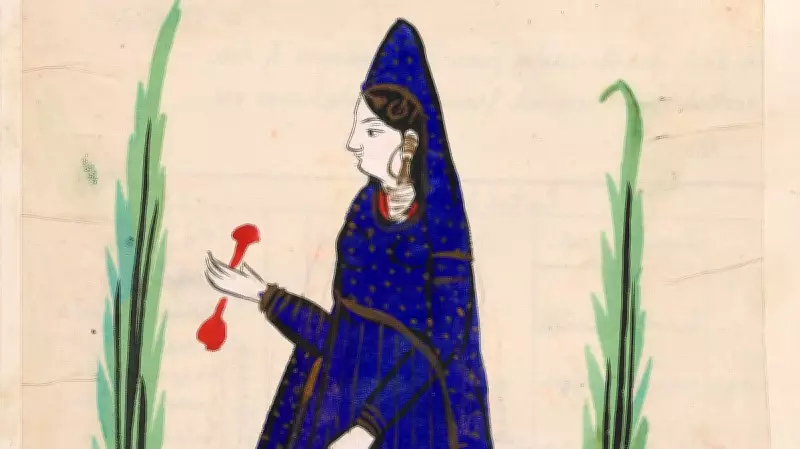
The Akali Nihang Singhs, renowned for their striking blue attire and martial prowess, trace their origins to the time of the tenth Sikh Guru in the last quarter of the 17th century. Among them, women have historically embodied a dual identity: wife and mother, but first, a warrior.
Origins and Historical Context
The Nihang order emerged during the leadership of Guru Gobind Singh (1666–1708), who formalized the Khalsa in 1699. The term "Nihang" means "crocodile" in Persian, symbolizing fearlessness. Their distinctive blue garments, often adorned with steel weapons, set them apart. According to Sikh history, these warriors were tasked with protecting the faith and community.
Women in the Nihang Tradition
Akali Nihang women have always been integral to the order's ethos. Historical accounts describe them as fierce fighters who participated in battles alongside men. They were trained in swordsmanship, archery, and horse riding. Their role was not limited to domesticity; they were expected to defend the community when needed. A popular saying among Nihangs is: "A woman is a wife and mother, but first, she is a warrior."

Rituals and Daily Life
Modern Nihang women continue to uphold these traditions. They wear blue attire, often with a turban (dastar), and carry a kirpan (ceremonial dagger). Daily life includes martial practice, prayer, and community service. During the annual Hola Mohalla festival in Anandpur Sahib, Nihang women display their skills in mock battles and horse riding. According to a Nihang elder, "Our women are the backbone of our order. They keep our traditions alive."
Challenges and Modern Relevance
Despite their historical prominence, Nihang women face challenges in contemporary society. Balancing traditional warrior duties with modern education and careers is difficult. However, many continue to inspire by participating in Sikh festivals and teaching martial arts. The Nihang community numbers around 10,000 globally, with women making up a significant portion. Their legacy serves as a reminder of the egalitarian roots of Sikhism, where gender did not limit one's duty to fight for justice.