In a significant cultural and academic milestone, a Malaysia-based foundation is spearheading the ambitious restoration of ancient Indian sutras that were taken to China centuries ago. The Sunyatee International Foundation (SIF) has reported substantial progress in its mission to bring these priceless texts back to Indian universities, including the historic seats of learning at Nalanda and Takshashila.
The Mission and Its Leader
The initiative is being led by Lim Siow Lin, a Malaysian citizen of Chinese ancestry, who has dedicated efforts to this cultural repatriation project. On a recent Sunday, SIF director Rajesh Savera reviewed the progress of the foundation's welfare works in Bodh Gaya and provided an update on the sutra restoration mission. He revealed that the dedicated team has already achieved a major breakthrough.
Major Breakthrough in Text Recovery
The restoration team has successfully retrieved and translated sutras from several foundational texts. These include 84 verses from the Bhagavad Gita, which captures the profound conversation between Lord Krishna and Arjuna. Furthermore, the team has worked on core Buddha philosophy texts, the Prajnaparamita sutra—a genre of Mahayana Buddhist scripture dating back to the first century BC—and the Agamas sutras.

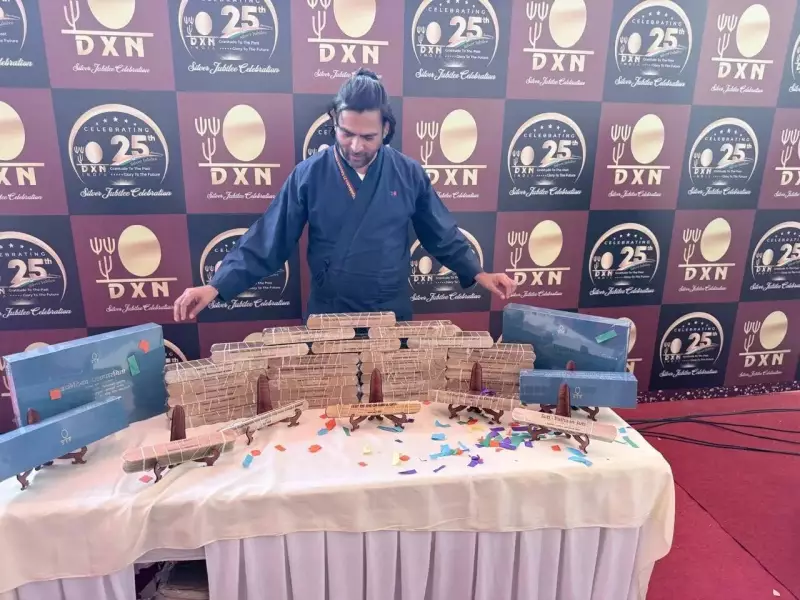
A crucial aspect of this project is the preservation medium. The translated texts are being laser-printed onto specially treated palm leaves. These palm leaves have an extraordinary lifespan of more than 1,000 years and are completely waterproof, ensuring the knowledge survives for future generations. The technical translation process is being managed by Hyderabad-based software engineer Prateek Vooshmalla and his team.
Making Heritage Accessible and Dispelling Myths
Elaborating on the project's outreach, Savera stated that the sutras are being translated not only into English but also into several major Indian languages: Hindi, Malayalam, Tamil, Telugu, and Marathi. The goal is to make this ancient wisdom accessible to a wide audience across the country and the diaspora. All translated texts will be made available online on the dedicated platform, TheIndianSutras.Com.
Savera also addressed a long-standing historical misconception. "A wrong perception has been propagated that people of India were not skilled in the art of writing," he said. This belief gained ground because many handwritten materials were taken from India to China in ancient times. "We are now trying to dispel this misconception by bringing those materials back to India," he asserted, highlighting the project's role in correcting the historical record.
In a notable clarification, Savera mentioned that the entire process of restoring these ancient sutras to Indian universities is being conducted without requiring government involvement, showcasing a successful model of private, international cultural initiative.