Venezuela's Vibrant Pregame Ritual Captivates World Baseball Classic
At the prestigious World Baseball Classic, teams worldwide showcase unique pregame preparations. While some athletes engage in quiet stretching or listen to music, Team Venezuela has captured global attention with an exceptionally lively and culturally rich tradition.
The Drum Circle That Unites a Team
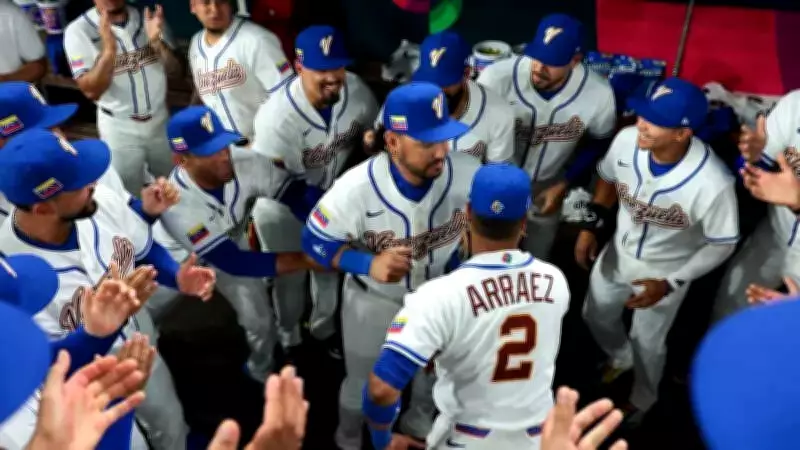
Inside the Venezuelan dugout before each game, pitcher Eduard Bazardo initiates a powerful ritual by beating el tambor, a traditional drum. Teammates quickly form a circle around him as players take turns jumping into the center to dance with infectious energy. The surrounding athletes clap and cheer enthusiastically, creating an electric atmosphere that lasts just minutes but leaves a lasting impression.
This dynamic display has rapidly become one of the most discussed and celebrated scenes of the tournament. What appears as spontaneous celebration actually represents a profound connection to Venezuela's cultural heritage.

Roots in Venezuelan Culture and Baseball
"I would describe it as distinctly Caribbean," explained Daniel Alvarez, co-founder and director of El Extrabase and a writer specializing in Latin American baseball. "While you might observe similar tambores dances in Puerto Rico or the Dominican Republic, each nation adds unique variations. In Venezuela, this tradition runs deep."
Venezuela manager Omar López emphasized how this ritual authentically represents his nation's approach to baseball. "What you witness there embodies our essence," López stated. "That's our country. That's winter ball. That's how we celebrate baseball. We recognize every culture expresses itself differently."
López highlighted regional variations across the Caribbean: "In Puerto Rico, they have La Plena music traditions. In the Dominican Republic, you'll find Merengue, Ripiao, Bachata, and Dembow. These diverse musical expressions help teams relax before games while affirming their cultural identities."
From Beaches to Ballparks: Tambores in Daily Life
Alvarez provided context about the tradition's prevalence throughout Venezuela: "If you visit Ocumare de la Cosa, where Eduard Bazardo essentially grew up near Maracay, you'll encounter tambores dancing constantly on the beaches. Travel to La Sabana or La Guaira, hometowns of Ronald Acuña Jr. and Maikel Garcia, and tambores music fills the air."
He further explained: "At any Venezuelan celebration, you might experience salsa, merengue, or reggaeton, but inevitably, tambores will emerge at some point during the evening."
The "Hora Loca" Connection
This musical tradition frequently appears during major celebrations like weddings, particularly during what Venezuelans call "hora loca" or the crazy hour. Allan Hrastoviak Arbelaez, social media coordinator for the World Baseball Softball Confederation, clarified: "Hora loca represents that wedding segment where conventional dance music pauses. They transition to music everyone can sing and dance to collectively, and tambores often features prominently during this festive period."
Cultural Pride on the Global Stage
For Venezuelan athletes competing at the World Baseball Classic, incorporating this tradition into their pregame routine serves as a powerful statement of cultural pride. The ritual transforms the dugout into a space where national identity and athletic preparation merge seamlessly.
Beyond creating team unity and positive energy, this practice educates international audiences about Venezuela's rich cultural tapestry. As baseball continues to globalize, such traditions remind us that sports represent more than competition—they serve as vibrant expressions of heritage, community, and shared joy.