Major Archaeological Discovery in Karnataka Reveals Ancient Human Remains
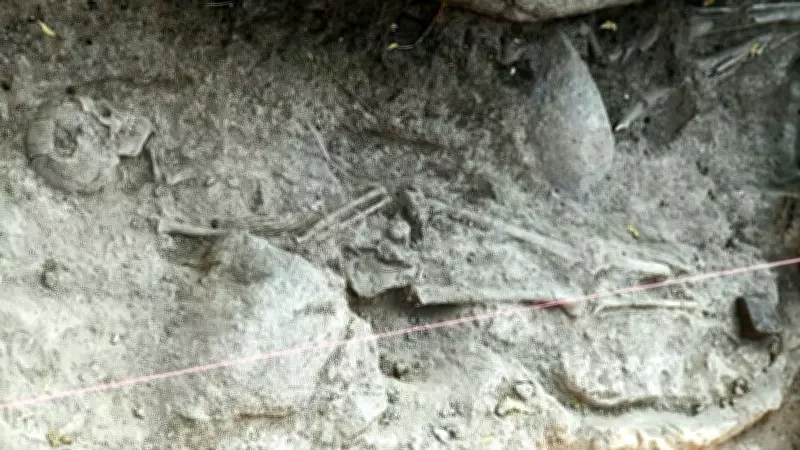
In a groundbreaking find, archaeologists have unearthed fossilized human skeletons estimated to be between 3,000 and 5,000 years old at the Tekkalakota site in Karnataka's Ballari district. This discovery marks the first time human fossil remains have been found at this location in over six decades, reigniting interest in the region's rich historical tapestry.
Details of the Discovery
The excavation, which took place on a recent Sunday, yielded two significant sets of remains. One skeleton is remarkably complete, including teeth, while the other consists of a partial lower body skeleton. These finds were uncovered during ongoing archaeological work at one of four excavation spots near the town, highlighting the site's potential for further revelations.
Dr. Shejeshwar R from the Department of Archaeology, Museums, and Heritage provided insights into the discovery. He noted that the last human fossil remains at Tekkalakota were discovered back in 1963-64, making this a rare and valuable addition to the archaeological record. Preliminary estimates suggest the bones date from a burial period around 3,000 to 5,000 years ago, with exact figures to be confirmed after detailed analysis.

Significance of Tekkalakota
Tekkalakota is renowned as a significant archaeological site due to evidence of continuous human habitation spanning over five millennia, from the Neolithic period (3,000-1200 BCE) to modern times. This latest discovery reinforces the area's importance in understanding early human settlements and cultural evolution in India.
The excavation project has been ongoing for nearly a year, with the Department collaborating with researchers from Hartwick College in the USA to conduct comprehensive archaeological studies. Over the coming days, a dedicated research team will carefully recover the fossils from the site for further examination. Dr. Shejeshwar estimated that removing the preserved skeleton could take three to four days, emphasizing the delicate nature of the process.
Future Research and Implications
This discovery is expected to provide new insights into ancient human life, burial practices, and environmental conditions in the region. As the analysis progresses, researchers hope to uncover more details about the individuals' lifestyles, health, and the broader historical context of Tekkalakota.
The find underscores the ongoing importance of archaeological efforts in preserving and interpreting India's deep historical heritage, offering a tangible connection to our ancient past.