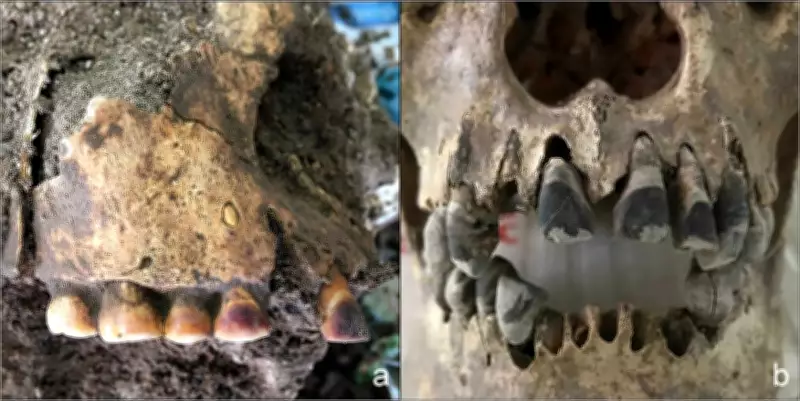
Chemical Analysis Confirms Ancient Vietnamese Tooth Blackening Practice
Archaeologists conducting research in northern Vietnam have uncovered compelling chemical evidence indicating that people were permanently blackening their teeth approximately 2,000 years ago. This groundbreaking study focused on human remains excavated from the Dong Xa archaeological site, which dates back to the Iron Age and is associated with the broader Dong Son cultural sphere.
Scientific Methods Reveal Intentional Cosmetic Treatment
By meticulously analyzing the surface of ancient tooth enamel using advanced microscopic and chemical techniques, researchers identified distinct traces of iron compounds that strongly suggest deliberate cosmetic treatment rather than natural staining or environmental contamination. The research team examined enamel samples from several skulls, comparing mineral content against normal tooth composition.
Most samples contained typical elements like calcium and phosphorus, but what stood out dramatically was the consistent presence of iron and sulphur concentrated in the outer enamel layers. The detection of iron oxide occurred at levels that cannot be reasonably explained by soil contamination alone, with the pattern appearing consistently across multiple specimens.

One fragmentary sample showed weaker chemical signals, which researchers attribute to preservation issues rather than representing a different cultural practice. Taken together, these findings provide the first clear scientific confirmation that tooth blackening was already an established tradition in Vietnam two millennia ago.
Ancient Techniques and Materials
The research indicates that ancient Vietnamese people likely used iron-based mixtures applied in a controlled manner to achieve the distinctive black appearance. The technique probably involved combining iron salts with plant materials rich in tannins, which would have helped fix the color and produce the deep, glossy black surface documented in later historical accounts.
This elaborate method differs significantly from incidental staining that might occur from chewing betel or other plants, suggesting a sophisticated cosmetic practice requiring specific knowledge and preparation.
Historical Context and Cultural Significance
Bridging Archaeological and Textual Evidence
Written sources from Chinese dynastic histories, particularly those dating to the Eastern Han period, mention communities in what is now Vietnam whose inhabitants blackened their teeth. Later historical texts describe this custom as a clear marker of regional identity, distinguishing these communities from neighboring cultures.
Archaeological discoveries from subsequent centuries have also included burials containing remains with blackened teeth. The new chemical evidence from Dong Xa effectively bridges the gap between textual records and material remains, suggesting continuity of the practice from the Iron Age through later historical periods.
Cultural Identity in a Changing Landscape
The timing of this practice coincides with significant transformations in northern Vietnamese society. Between 2,500 and 2,000 years ago, ironworking became widespread throughout the region, exchange networks with southern China expanded considerably, and social structures grew increasingly complex.
Tooth blackening likely developed within this dynamic landscape of cultural contact and identity formation. Ethnographic accounts from the nineteenth and early twentieth centuries describe tooth blackening as common across many Vietnamese communities, associated with:
- Maturity and coming of age
- Standards of beauty and aesthetics
- Cultural belonging and identity
- Distinction between humans and spirits or outsiders
The Vietnamese method appears particularly elaborate compared to similar practices elsewhere, involving careful preparation of the teeth followed by application of layered pastes to achieve the desired effect.

Enduring Cultural Legacy
The Dong Xa findings demonstrate that what might appear unusual by modern Western standards was, for centuries, an embedded expression of cultural identity with deep historical roots. This aesthetic choice represents more than mere cosmetic preference—it served as a visible marker of community membership and cultural boundaries.
Even today, the ancient enamel still carries the chemical trace of this practice, offering silent testimony to cultural traditions that persisted for generations. The research provides valuable insight into how ancient societies used bodily modification to express identity and navigate social relationships within their historical context.
This discovery contributes significantly to our understanding of Iron Age Vietnamese culture and the sophisticated cosmetic practices that developed alongside technological advancements like ironworking. It reminds us that concepts of beauty and identity have complex histories that often challenge contemporary assumptions about aesthetics and cultural expression.