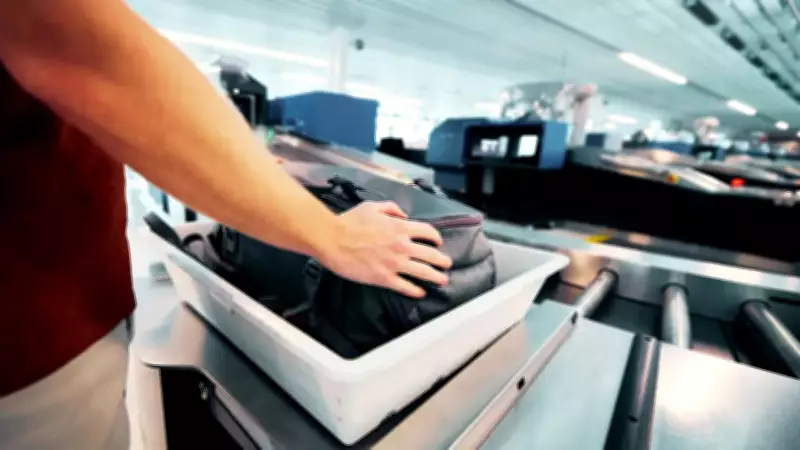
Many travelers experience a moment of panic when their carry-on bag is selected for additional security screening. However, the process is usually less alarming than it seems. Security systems flag bags when officers need a clearer view of an item, when objects overlap heavily, or when something inside cannot be easily identified on the scanner.
The easier the contents of your bag are to identify, the less likely it is to be subjected to extra checks. Here are seven major errors people make while packing, and what savvy travelers do differently.
1. Overpacking Your Carry-On
Most people try to maximize every inch of space in their carry-on. Clothes are folded tightly, shoes are squeezed into corners, and chargers are stuffed between layers. While this may save on baggage fees, it creates problems for security officers. Densely packed items are hard to distinguish on X-ray, requiring more time for inspection. It also takes longer to repack your bag after it has been opened.

Smarter move: Leave some extra space and use packing cubes to organize your belongings.
2. Stacking Electronics Together
A common packing technique is to group all electronics—laptop, tablet, camera, power bank, Kindle, game console, and chargers—in one section of your backpack. While this seems logical, multiple layers of electronic items can confuse older X-ray machines. Bulky batteries, metals, and overlapping screens often trigger further inspection. This is why many airports still require you to remove laptops or tablets from your bag.
Smarter move: Keep your laptop in its own compartment and separate your tablet if possible.
3. Messy Cords, Wires, and Loose Batteries
Modern travelers carry multiple cords, adapters, wireless headphones, power banks, and chargers. Unfortunately, these are often tossed haphazardly into one pocket or tangled together. On X-ray, a jumble of wires and electronics appears disorganized and complex, which may lead to additional scrutiny. Loose lithium batteries can also attract extra attention if not packaged properly.
Smarter move: Use a cable organizer or dedicated tech pouch.
4. Dense Food Items and Spreadables
Food can catch travelers off guard at security. While many foods are allowed in carry-ons, certain types can slow down the process. Large chocolate bars, blocks of cheese, ready-to-eat meals with rice, dense homemade foods, and thick spreads like peanut butter, soft cheese, dips, sauces, and jams may appear suspicious on scanners. Spreadables are often treated as liquids or gels under carry-on rules and are subject to size restrictions.
Smarter move: Pack snacks neatly, keep them accessible, and check liquid rules before carrying spreads or sauces.
5. Wrapped Gifts
Wrapped gifts look nice but can cause complications at security. If officers need to search the bag, they may have to unwrap the gifts. This is especially common during holiday travel. Many people wrap presents at home and then have to unwrap them at the airport.
Smarter move: Transport gifts unwrapped in a gift bag, or pack wrapping materials to use at your destination.
6. Liquids Hidden Deep in the Bag
Toiletries are a major cause of bag stops. People often place liquids deep inside their suitcase, buried under clothes, shoes, and electronics. When airports require liquids to be separated for screening, this makes the process tedious. While advanced X-ray machines can screen liquids inside bags, policies vary by location.
Smarter move: Place toiletries in a visible compartment or pouch for easy access.
7. Forgetting About Prohibited Items
Sometimes bag stops occur not because of how you pack, but because of prohibited items accidentally left inside. Old pocket knives, nail scissors, tools, lighters, sports equipment, and other sharp objects can end up in a bag from a previous trip without your knowledge.
Smarter move: Check every zipper, side pocket, and hidden compartment before each trip, even if you use the same bag regularly.