Art Fairs: The New Cultural Melas Transforming India's Urban Landscape
Art fairs have rapidly evolved into significant socio-cultural phenomena across India's metropolitan centers. These events are no longer just niche gatherings for connoisseurs but have blossomed into the most happening melas in town, attracting diverse audiences and reshaping how the public interacts with art.
The Rise of Art Fairs in Indian Cities
The recent art fair held in Mumbai last November demonstrated this growing trend, while another eagerly anticipated event is scheduled to take place in Delhi next month. Several other art fairs are reportedly in the planning stages across various urban hubs, indicating a sustained and expanding interest in this format.
This proliferation raises important questions about their fundamental nature and impact. Does this surge primarily reflect increased business interest from galleries and collectors, or have art fairs successfully cultivated a curious, art-viewing public that extends beyond traditional art circles?

Public Engagement and Commercial Dimensions
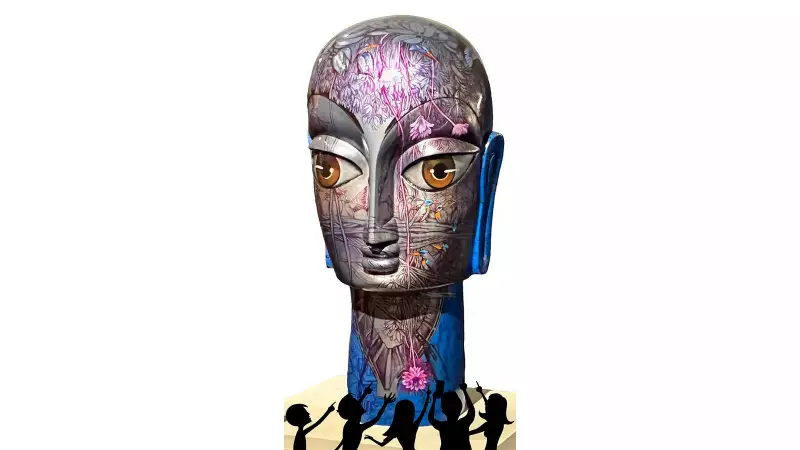
Certainly, art fairs consistently attract a befuddling volume of attendees, creating vibrant, temporary communities around artistic expression. Leading art galleries from across India and international participants converge at these events to showcase carefully curated selections featuring both contemporary artists and revered past masters.
The commercial aspect remains central to these gatherings, with artworks openly available for purchase. This transactional element constitutes the precise raison d'être of an art fair, distinguishing it fundamentally from other art presentation formats. The orientation and atmosphere of an art fair differ markedly from that of a traditional exhibition or a biennale.
Comparative Perspectives: Fairs Versus Biennials
In comparison to more curated exhibitions, art fairs can sometimes feel somewhat sterile or commercially focused in their presentation. However, this perception stems from their distinct intentional framework rather than any qualitative deficiency.
A biennale, for instance, typically embodies a more public-spirited ethos, emphasizing curatorial zest, thematic coherence, and artistic experimentation. These large-scale exhibitions are not primarily guided by profit-making motivations, allowing for greater artistic freedom and conceptual exploration.
Art fairs, conversely, operate within a different paradigm where commerce and curation intersect, creating unique spaces where artistic appreciation meets market dynamics. This hybrid nature contributes to their growing popularity as accessible cultural events that demystify art acquisition while fostering public engagement.
The emergence of art fairs as prominent cultural melas represents an important evolution in India's artistic ecosystem, bridging commercial interests with public participation and expanding the audience for contemporary and traditional art alike.