Artists have always played a crucial role in interpreting the times they live in, offering unique perspectives that shape cultural narratives. In an era of rapid change, their work becomes a mirror reflecting societal shifts, challenges, and aspirations. This article explores how artists across disciplines serve as chroniclers of their era, translating complex emotions and events into visual, auditory, or performative expressions.
The Role of Artists in Society
Artists are not merely creators of aesthetic objects; they are interpreters of human experience. Through their work, they capture the essence of a moment, preserving it for future generations. Whether through painting, sculpture, music, or digital media, artists distill the spirit of their time, offering insights that transcend language and cultural barriers.
Historical Context and Artistic Interpretation
Historically, artists have been at the forefront of documenting and interpreting major events. From the Renaissance to the modern era, art has served as a visual diary of human progress and turmoil. For instance, the works of Picasso during the Spanish Civil War or the photography of Dorothea Lange during the Great Depression provide powerful testimonies to the human condition. These works not only record events but also evoke emotional responses that shape collective memory.

Contemporary Artists as Time Interpreters
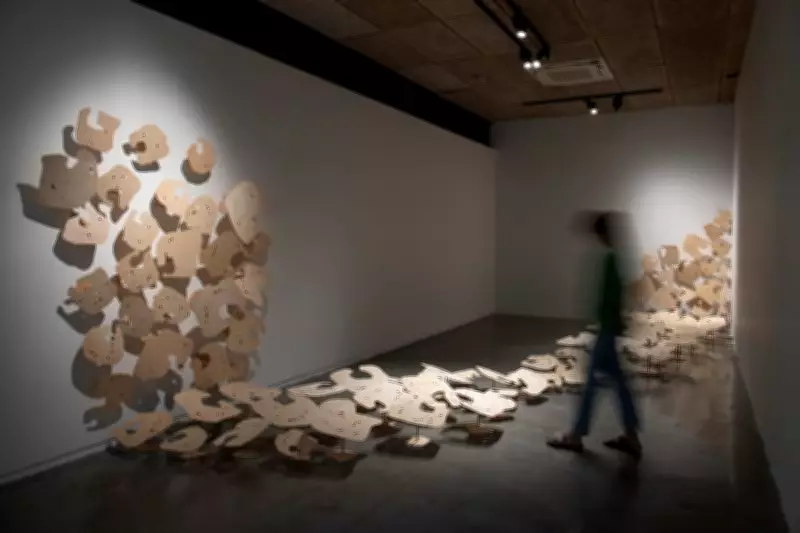
In today's fast-paced world, contemporary artists continue this tradition, using new mediums and technologies to engage with current issues. They address topics such as climate change, social justice, and technological advancement, often challenging viewers to reconsider their perspectives. For example, immersive installations and virtual reality experiences allow audiences to step into alternative realities, fostering empathy and understanding.
Art as a Catalyst for Change
Beyond interpretation, art can also be a catalyst for social change. By highlighting injustices or envisioning utopian futures, artists inspire action and dialogue. The role of the artist as an interpreter of time is thus deeply intertwined with their potential to influence the course of history.
The Future of Artistic Interpretation
As we move forward, the relationship between art and time will continue to evolve. With the rise of artificial intelligence and digital platforms, new forms of artistic expression are emerging. Artists are now collaborating with algorithms to create works that respond in real-time to data, blurring the lines between creator and creation. This evolution underscores the enduring power of art to interpret and shape our understanding of time.
In conclusion, artists are indispensable interpreters of time, weaving narratives that help us make sense of our world. Their work not only reflects the present but also shapes the future, ensuring that the human experience is documented and celebrated across generations.